

Acratocnus is an extinct genus of Caribbean sloths. Its fossils include skulls, jaws, teeth and limb bones from several islands. These animals were much smaller than the familiar giant mainland ground sloths such as Megatherium. The cover shows an artistic animal, not preserved fur or a photographed individual.
Different species are reported from Cuba, Hispaniola and Puerto Rico. The best studied cave finds make it possible to compare their anatomy, but isolated bones cannot establish every feature of the living animal.
Quick facts
| Group | Extinct Caribbean sloths; Megalocnidae in molecular analyses |
|---|---|
| Islands | Cuba, Hispaniola and Puerto Rico in identified species records |
| A. ye | Described from Quaternary cave fossils of Hispaniola |
| A. simorhynchus | Jaragua National Park, Dominican Republic |
| Juvenile specimen | UF 171341 from Trouing Bois Formon, Haiti |
| Late occurrence | Juvenile A. ye dated to roughly 5,000–4,000 years ago |
| Evidence | Skulls, jaws, teeth and limb bones |
What can the fossils tell us?
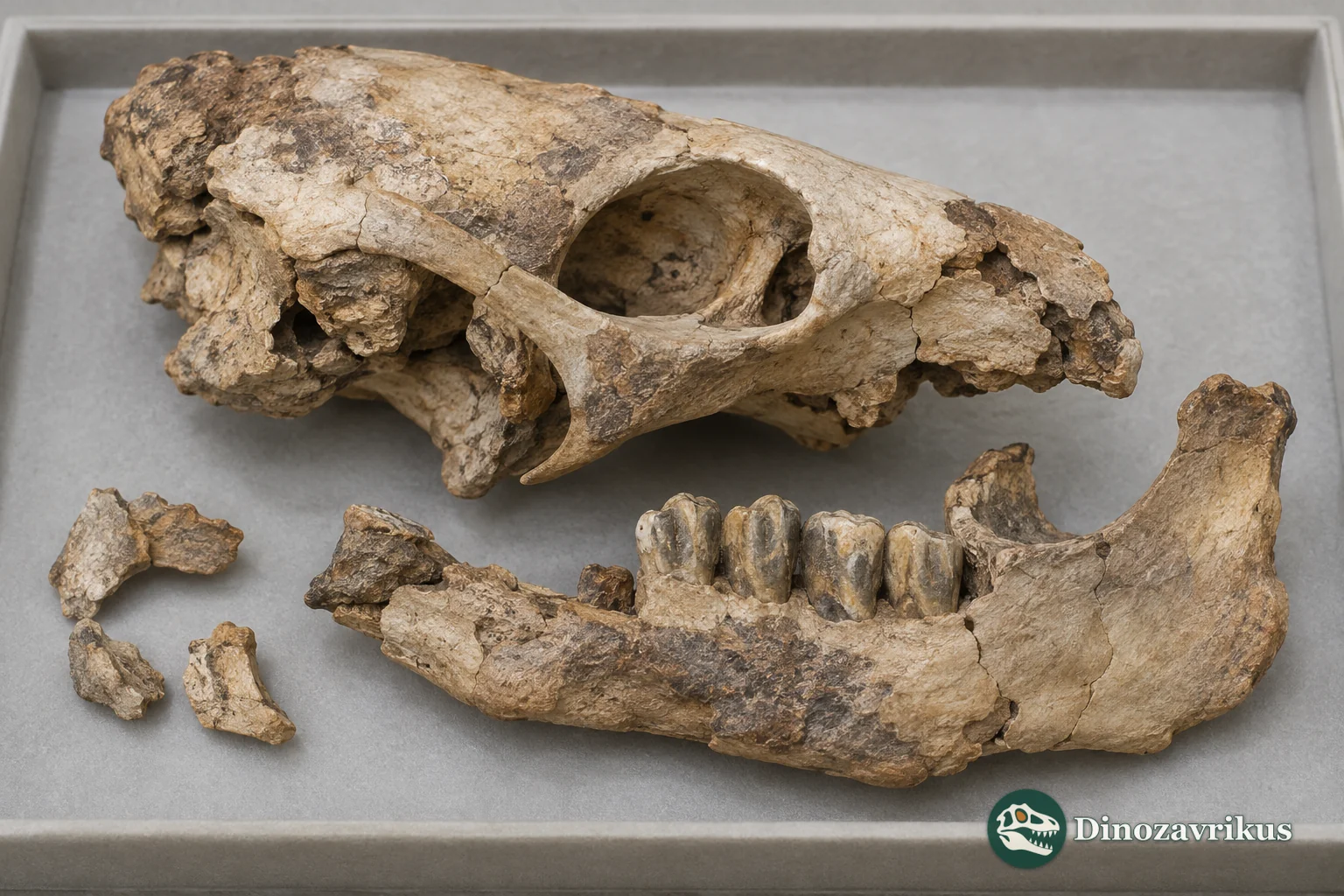
UF 171341 preserves the back of the skull, lower teeth and delicate ear bones. Open sutures indicate immaturity. Missing facial bones cannot be reconstructed as if observed.
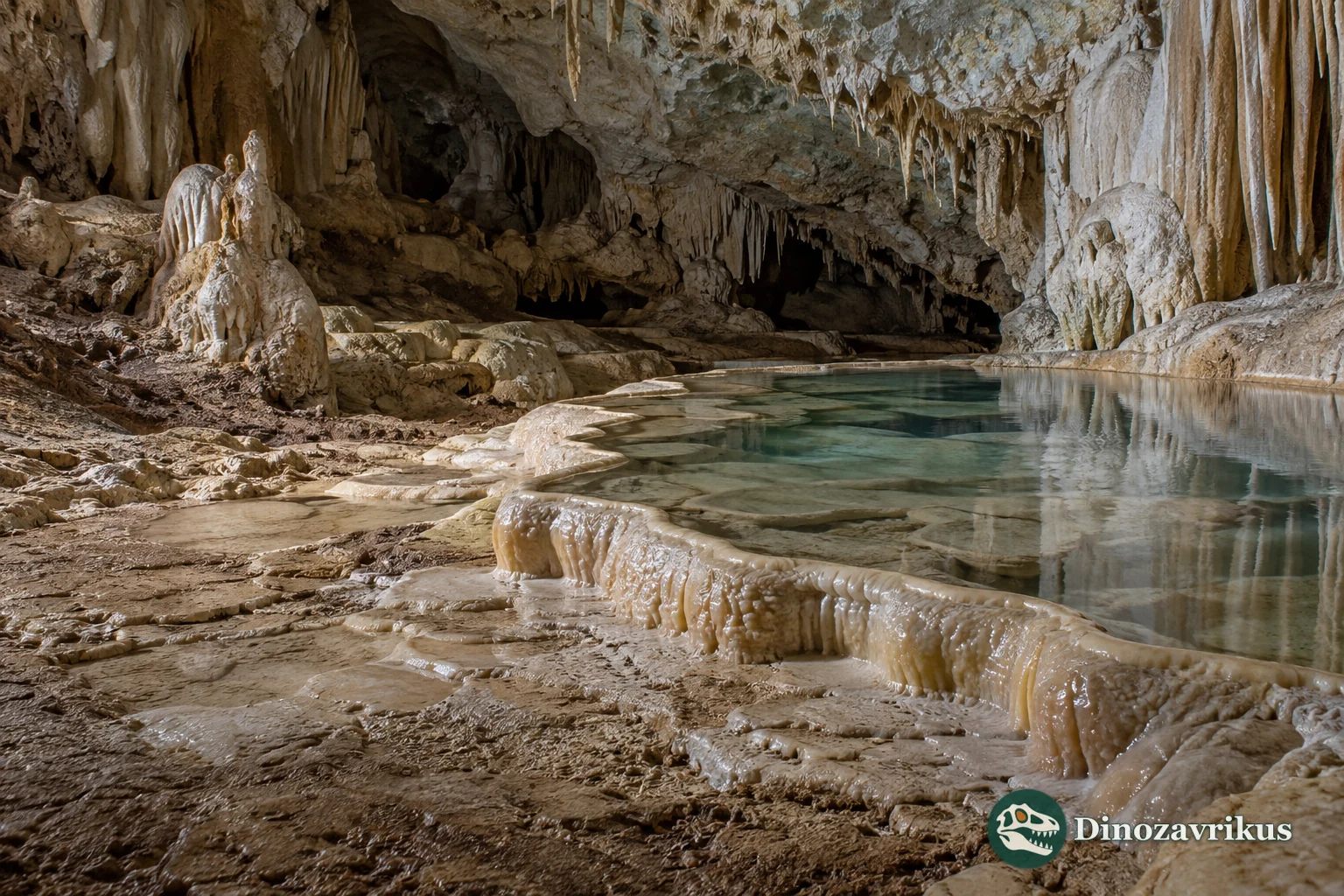
Jaragua cave material includes an associated skull, jaw and postcranial bones attributed to A. simorhynchus. Calcite coatings and dating help constrain context, but a cave assemblage can accumulate over time.
Bones support comparisons of form; ancient molecular analyses suggest deep relationships among Caribbean sloths. Neither directly records fur, behavior or a simple ancestor-descendant chain.
Species across the islands
The described species include A. antillensis from Cuba, A. odontrigonus from Puerto Rico, and A. ye and A. simorhynchus from Hispaniola. MacPhee, White and Woods described A. ye in 2000 from Quaternary cave remains and compared Caribbean forms. Each name refers to a fossil sample and diagnosis, not proof that all islands had the same ecology.
An associated skull, mandible and postcranial elements from Jaragua National Park in the Dominican Republic formed the basis for a description of A. simorhynchus. Calcite coating on the bones was used to discuss late Pleistocene context. Such dating pertains to the deposit or coating and has limits; it is not a precise date of death for every bone.
What a juvenile skull preserves
A young A. ye specimen, UF 171341, was recovered from Trouing Bois Formon in Haiti's Macaya National Park. It retains the rear skull, a complete lower dentition and tiny auditory ossicles, but lacks much of the anterior face. Open skull sutures and other features support a juvenile identification. Its approximately 5,000–4,000-year age shows persistence into the Holocene, although it does not date the final member of the genus.
This fossil lets researchers compare tooth and ear anatomy across sloths. It cannot by itself supply adult body mass, fur or a definite climbing style. Inferred partial use of trees rests on broader skeletal comparisons, not a directly observed behavior.
Relationships and remaining uncertainty
Caribbean sloths were once grouped with modern two-toed sloths by some morphological classifications. Ancient DNA and protein work instead support an old island radiation distinct from that straightforward picture. Different datasets and classifications may use different family names; an older placement in Megalonychidae should be read in that context.
The Quaternary cave record samples only places that preserved and exposed bones. The exact route between islands, population sizes and cause of disappearance cannot be read directly from one skull. Reconstruction of coat color, posture and a particular woodland scene remains illustrative.
Frequently asked questions
Was Acratocnus a giant ground sloth?
No. It was a smaller Caribbean sloth, although exact body size differed among species and is less certain than its skeletal identity.
What was found at Jaragua?
Associated skull, jaw and other bones attributed to A. simorhynchus were reported from a cave in Jaragua National Park.
Did it survive beyond the Pleistocene?
A juvenile A. ye from Haiti is approximately 5,000–4,000 years old, so at least that species persisted into the Holocene.
Was it the ancestor of modern two-toed sloths?
That direct ancestry is not established. Molecular evidence supports a distinct, deep Caribbean sloth lineage.