
 Documentary1999
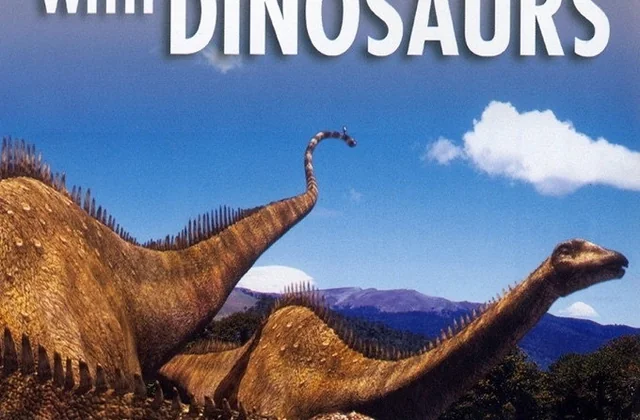
Walking with Dinosaurs
The BBC series uses wildlife-film storytelling and early computer animation to follow individual animals through imagined Mesozoic ecosystems.
Read review →From wildlife-style reconstructions to courtroom records and Wyoming fieldwork, these films show different ways evidence reaches the screen.
Browse the available titles.
Documentary1999The BBC series uses wildlife-film storytelling and early computer animation to follow individual animals through imagined Mesozoic ecosystems.
Read review →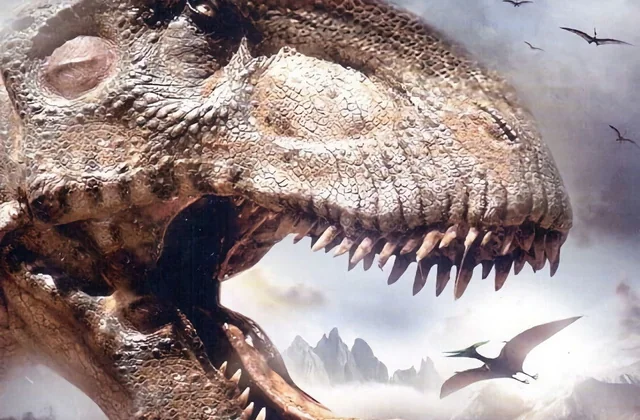 Documentary2000
This companion film follows MOR 693, the Allosaurus known as Big Al, and the injuries recorded by its skeleton.
Read review →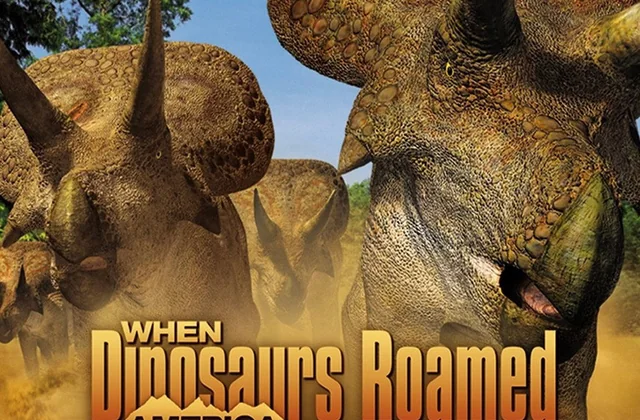 Documentary2001
A computer-animated journey through Mesozoic North America links prehistoric animals to changing landscapes.
Read review →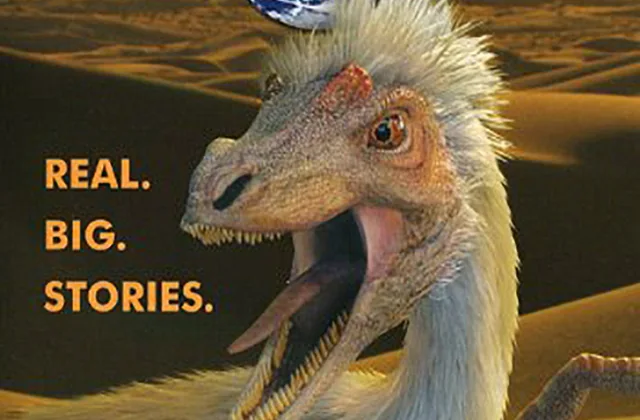 Documentary2003
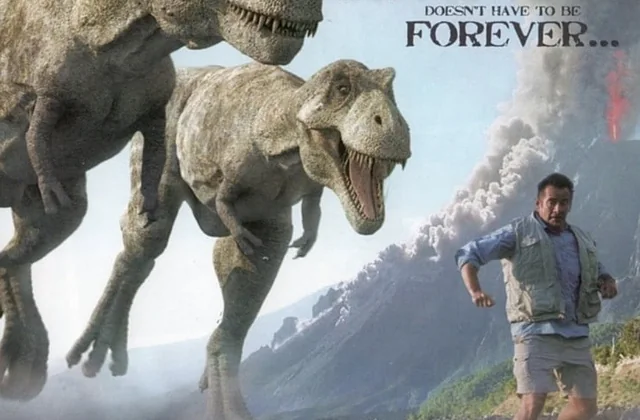 Documentary2006
Naturalist Nigel Marven travels to different prehistoric periods to rescue extinct animals for a fictional modern sanctuary in this six-part docudrama.
Read review →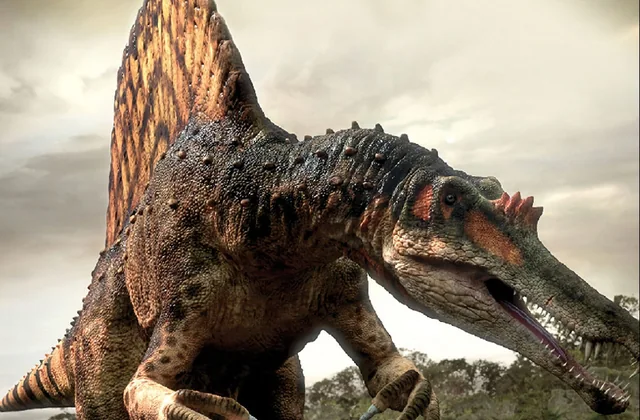 Documentary2011
The BBC's six-part series stages fossil-based reconstructions and highlights discoveries such as Spinosaurus, while revealing the limits of its 2011 models.
Read review →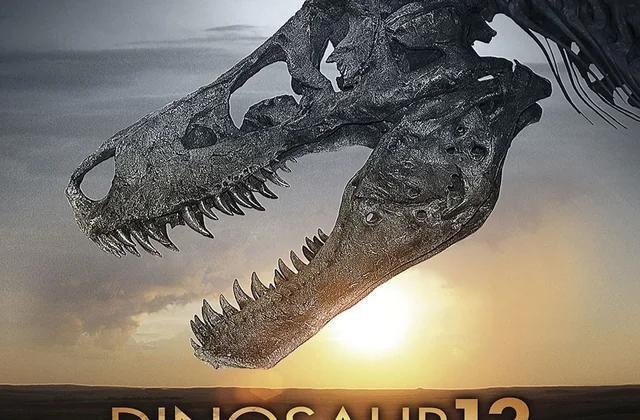 Documentary2014
Todd Douglas Miller's documentary traces Sue Hendrickson's discovery of the T. rex through the ownership dispute and auction.
Read review → Documentary2022
A five-episode series pairs David Attenborough's narration with habitat-based digital reconstructions of the Late Cretaceous.
Read review →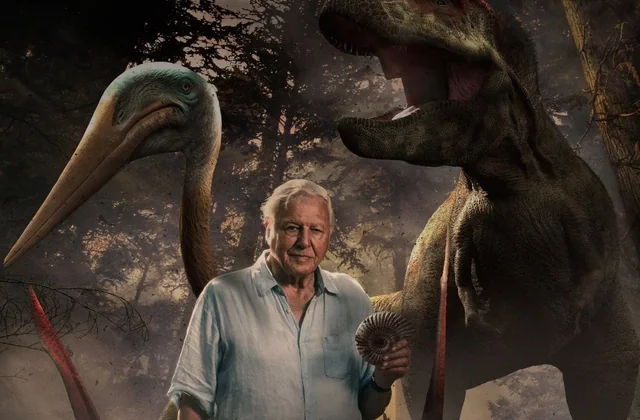 Documentary2022
 Documentary2023
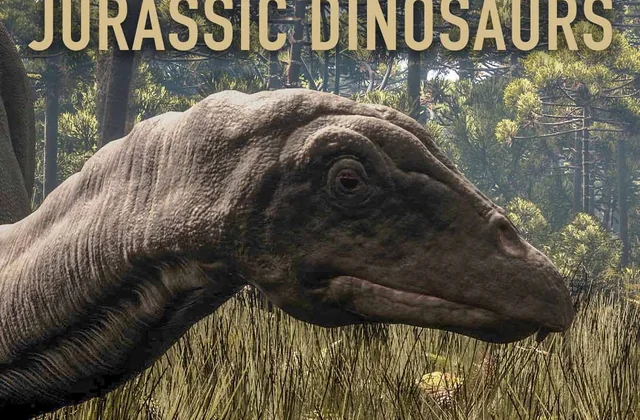
A field team investigates a Wyoming Jurassic bonebed, comparing sauropod remains, Allosaurus traces and competing explanations for the accumulation.
Read review → Documentary2017
 Documentary2018
The BBC follows Tristan’s skeleton through a series of scientific questions, showing where anatomy guides a reconstruction and where interpretation must fill the gaps.
Read review →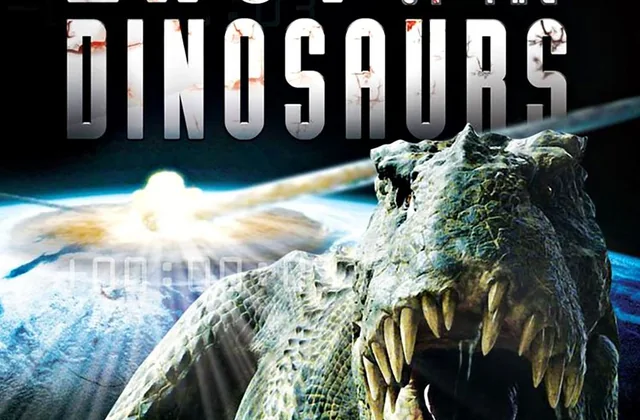 Documentary2010
The Discovery documentary turns the Chicxulub impact into a minute-by-minute story, using animation to explain a catastrophe whose evidence survives in rocks rather than eyewitness accounts.
Read review → Documentary2011
Discovery’s animated anthology moves from evolutionary change to extinction through vivid animal encounters that make prehistoric ecology memorable and raise questions about evidence.
Read review →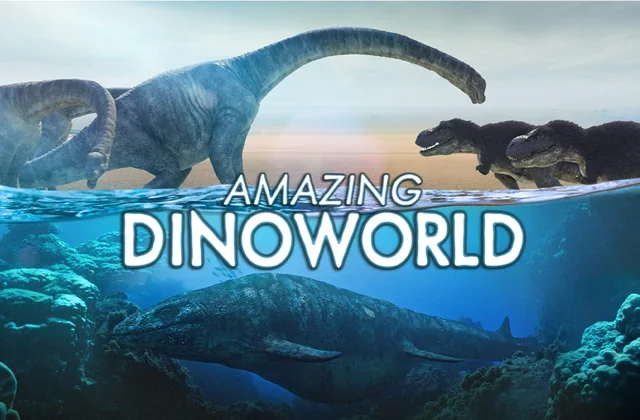 Documentary2019
The two-part series moves from the evidence for feathered dinosaurs to marine reptiles, making a compact and colourful introduction to distinct Mesozoic worlds.
Read review →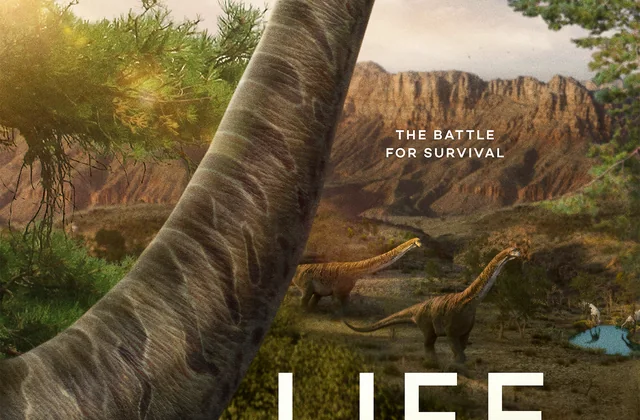 Documentary2023
Netflix’s nature series blends real landscapes with researched digital reconstructions, placing dinosaurs among the many lineages that shaped life on Earth.
Read review → Documentary2011
The documentary turns a fossil concentration into a vivid social scenario, then invites a closer look at what the evidence actually preserves.
Read review → Documentary2005
Bill Oddie presents controlled experiments that make prehistoric biomechanics visible while raising questions about what a model can prove.
Read review → Documentary2016
Follow the fossil from an exposed bone in Patagonia to a full-scale reconstruction, with a closer look at the science behind the headline measurements.
Read review →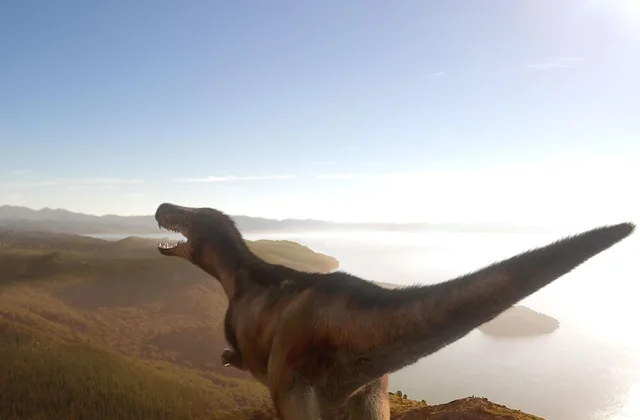 Documentary2016
A television special traces a long, branching history behind the famous Late Cretaceous predator and the evidence that has since revised its story.
Read review →Try a shorter search or reset one of the filters.
Dinosaur documentaries bring scientific interpretation to the screen, but each production reflects the evidence and visual technology available when it was made. Some follow one animal through a reconstructed life; others centre on a fossil, an expedition or a changing landscape.
This collection links reviews of wildlife-style series such as Walking with Dinosaurs and Prehistoric Planet, alongside films about Big Al, Sue and active fossil digs. The entries are selected examples, not a complete history or a ranking.
A documentary can communicate research without showing the fossil record directly. Computer animation, narration and dramatic scenes are reconstructions; their claims should be read in light of the programme’s date and the evidence it presents.
The entries appear in a selected order, not as a ranking of quality. Years identify the release of each work. Some titles mix live action and animation or use science-fiction settings; their dinosaurs are fictional characters, not evidence of prehistoric behaviour.
Search for a title or subject, or choose a release period to narrow the list. Other screen formats appear in anime, TV series, movies, cartoons.
Dedicated reviews cover Walking with Dinosaurs, The Ballad of Big Al, When Dinosaurs Roamed America, Prehistoric Planet, Dinosaur 13 and Secrets of the Jurassic Dinosaurs.
No. Dinosaurs are presented through animation or other reconstructions. Fossils and trackways provide evidence, while movement, colour and many scenes must be interpreted.
It remains influential, but its reconstructions date from 1999. Later fossil discoveries and improved methods have changed some details of dinosaur anatomy and behaviour.
No. The entries are selected examples for browsing and comparison, not a quality ranking or a complete list.