

Alilepus is an extinct rabbit relative known from fossil collections across Eurasia and North America. The type species A. annectens was first described as Lepus annectens from Late Miocene Inner Mongolia. L. R. Dice established the genus in 1931. Teeth, especially the lower third premolar, carry much of the taxonomic evidence; the cover is a generalized artistic reconstruction, not a recovered coat pattern.
Some North American finds reach the latest Pliocene or earliest Pleistocene. Assigning every late isolated tooth to the genus would overstate the evidence.
Quick facts
| Genus | Alilepus Dice, 1931 |
|---|---|
| Type species | A. annectens |
| Group | Leporidae, rabbit family |
| Range | Eurasia and North America |
| Main evidence | Premolars, jaws and isolated bones |
| Time | Late Miocene to earliest Pleistocene records |
What can the fossils tell us?
Enamel reentrants help compare species. Their appearance changes with wear, and a fragment may not preserve every useful character.
A 2011 study named late Miocene Pakistani A. elongatus but left a younger, incomplete Early Pleistocene Pakistani molar at family level.
Larger limb fragments at Tennessee's Gray Fossil Site resemble Alilepus, yet no associated tooth-bearing skeleton establishes a definite assignment.
A genus defined through dental anatomy
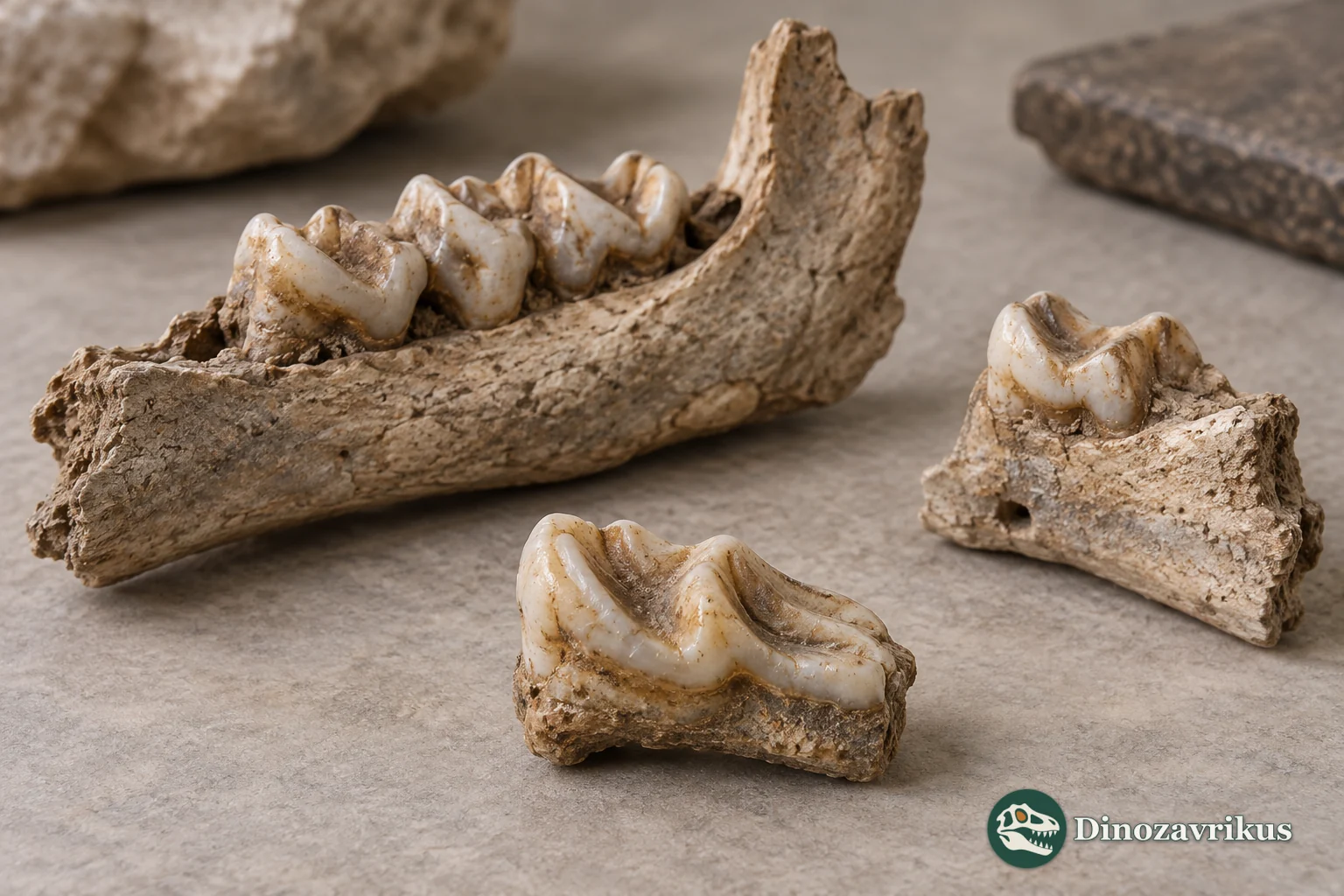
Dice examined the folds and dentine bridge of the lower third premolar, p3. His earlier name Allolagus was preoccupied, so Alilepus replaced it in 1931. Birger Bohlin later reexamined historical Mongolian material and noted that parts of the original collection had moved between museums. The exact specimen matters when old identifications are reconsidered.
Winkler, Flynn and Tomida named A. elongatus from the Dhok Pathan Formation in Pakistan in 2011. Its holotype, GSP 50951, is a right lower p3 from locality Y921. The depth and placement of enamel folds distinguish it from several compared species, although wear changes the visible pattern. Hypolagus is a separate fossil rabbit useful for comparison.
Localities and a disputed endpoint
The Pakistani A. elongatus teeth come from Late Miocene deposits dated to approximately 7.4–6.5 million years ago using stratigraphic and magnetic evidence. An incomplete Early Pleistocene molar from the same broad region was identified only as Leporidae in that study, not as Alilepus.
Samuels and Schap described A. vagus at the Early Pliocene Gray Fossil Site in Tennessee. They reported its late record at Grand View, Idaho, in deposits around 2.6–2.1 million years old, crossing the Pliocene–Pleistocene boundary. The early Pleistocene name ?A. browni remains tentative because its type cranium is not diagnostic. The youngest part of this story belongs to the Quaternary.
Habitat and locomotion limits
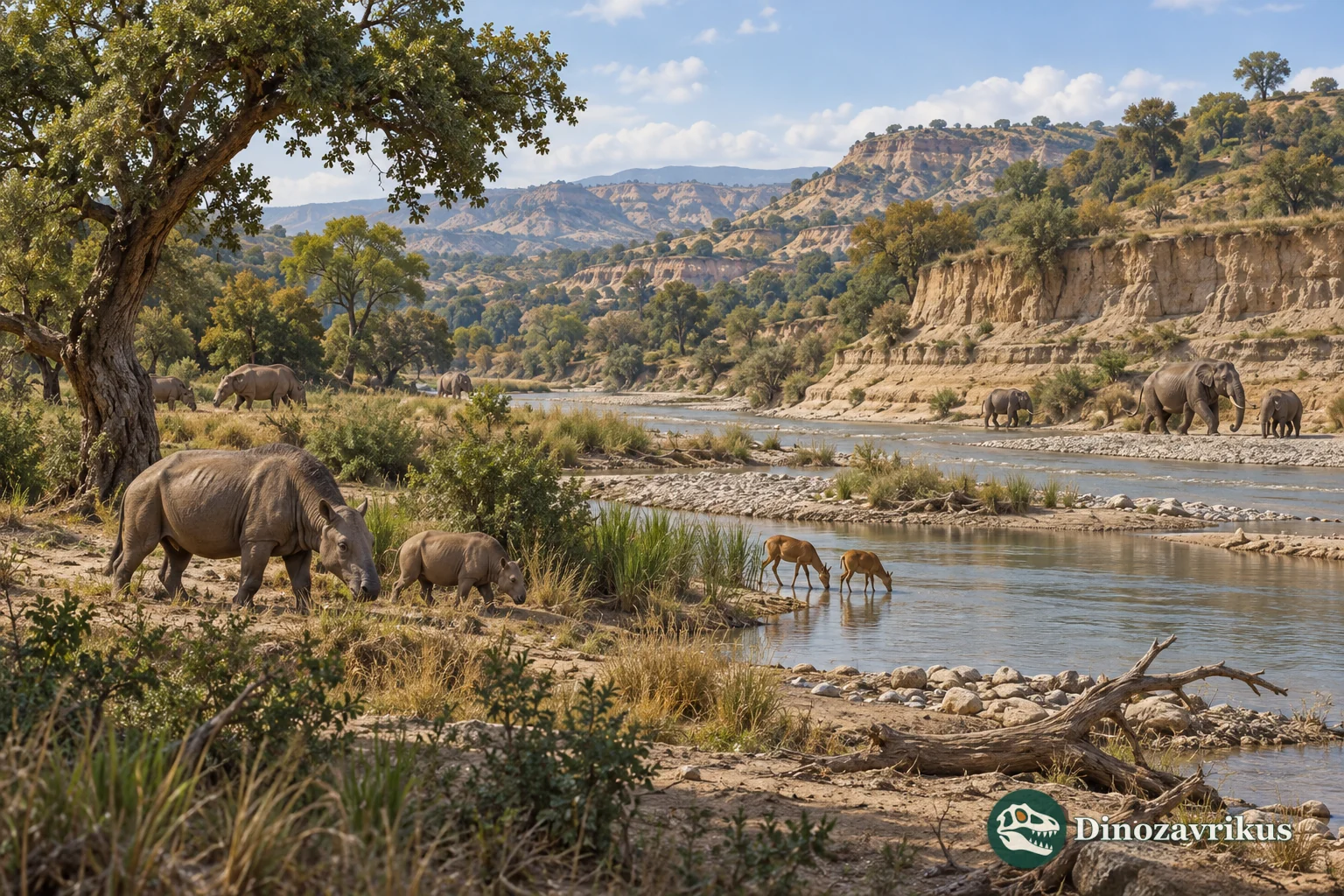
Gray preserved evidence of partly closed oak, hickory and pine woodland, unlike the more open settings of many other North American sites. Fossils there support a local occurrence, not an exclusive habitat preference across the genus's range. Larger limb fragments were referred cautiously to cf. Alilepus because they were not found joined to diagnostic teeth.
Comparative elbow anatomy allows a limited discussion of movement but does not establish running speed or prove burrowing. Plant eating is consistent with rabbit relationships, while a species-specific menu and coat remain unknown. Prolagus represents another lagomorph lineage and should not be merged with these teeth. The supplementary tooth and landscape scenes are illustrations, not named specimen photographs.
Frequently asked questions
Where did the type species come from?
A. annectens was described from Late Miocene Inner Mongolian localities.
Why is the lower premolar important?
Its enamel folds and dentine bridge help distinguish fossil leporids, subject to wear.
Is the 1.7-million-year-old Pakistani tooth Alilepus?
The 2011 authors left that incomplete tooth at the family level, Leporidae.
Did Alilepus reach the Pleistocene?
A. vagus occurs at Grand View near the boundary; some other late assignments, such as ?A. browni, remain disputed.