

Aztlanolagus agilis is the historical name for a small fossil hare described in 1986 from caves in the southwestern United States and northern Mexico. A 2024 reassessment found its teeth consistent with the older genus Pliopentalagus and retained the species as Pliopentalagus agilis. This is a change in classification, not a change in the fossils. The cover imagines a possible living animal; its coat and ears are not preserved.
The type jaw, other cave teeth and separate limb bones answer different questions. They do not make one complete skeleton.
Quick facts
| Original name | Aztlanolagus agilis Russell and Harris, 1986 |
|---|---|
| 2024 combination | Pliopentalagus agilis |
| Group | Lagomorpha, Leporidae |
| Holotype | UTEP 1-1202, part of a left lower jaw |
| Type locality | Dry Cave, Eddy County, New Mexico |
| Other evidence | Jaws, isolated teeth and limb bones from several caves |
| Type layer | Late Pleistocene; a published bone-carbonate date is 29,290 ± 1,060 radiocarbon years BP |
What can the fossils tell us?
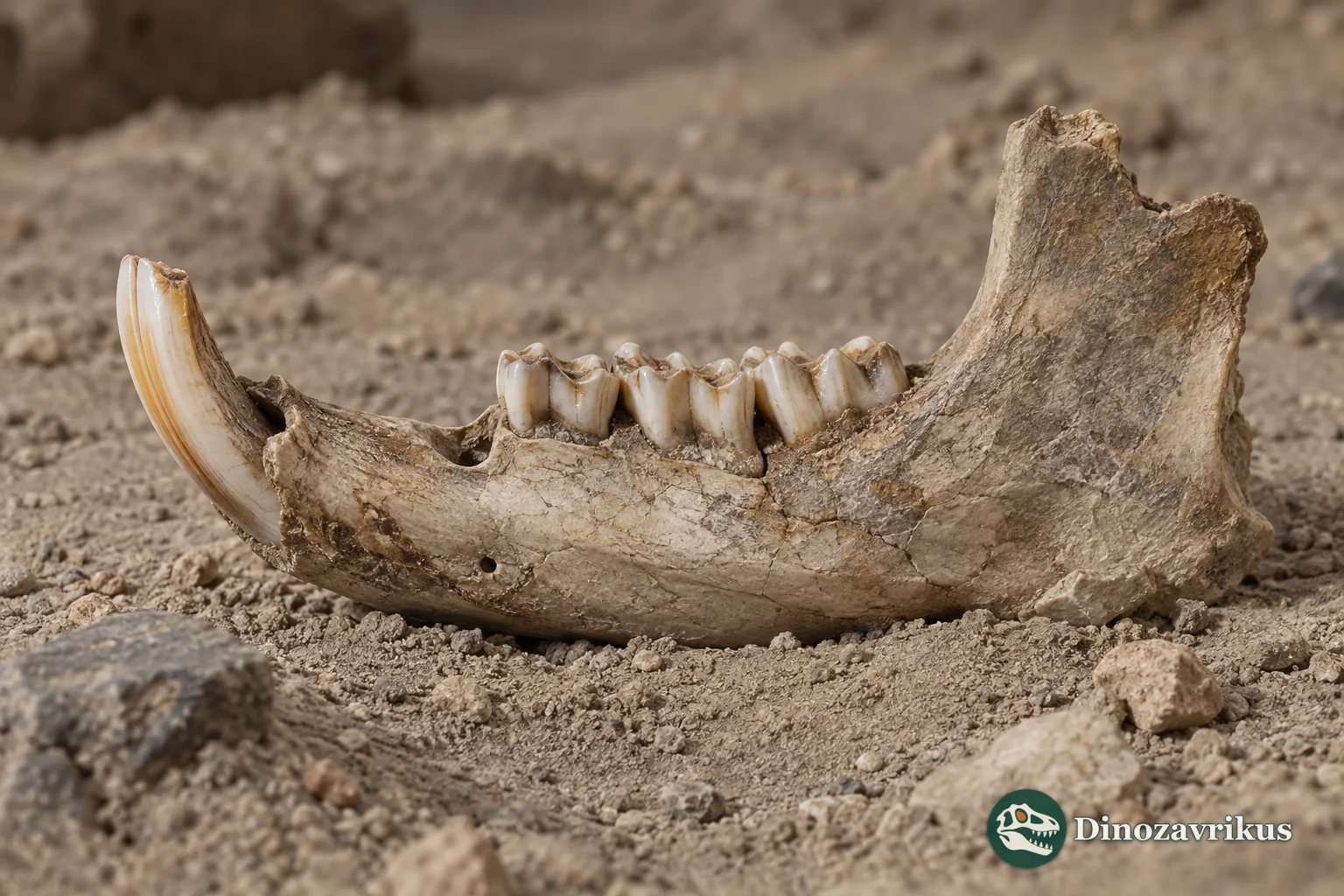
UTEP 1-1202 preserves part of a left dentary and cheek teeth. Dental folds are observable; ears, fur and behavior are not.
Several isolated hind-limb elements were measured against living hares. They support a locomotor inference, not a measured speed.
A 2024 comparison found shared dental characters with Pliopentalagus while retaining agilis as a distinct species. The direction of early dispersal remains open.
A jaw from Dry Cave
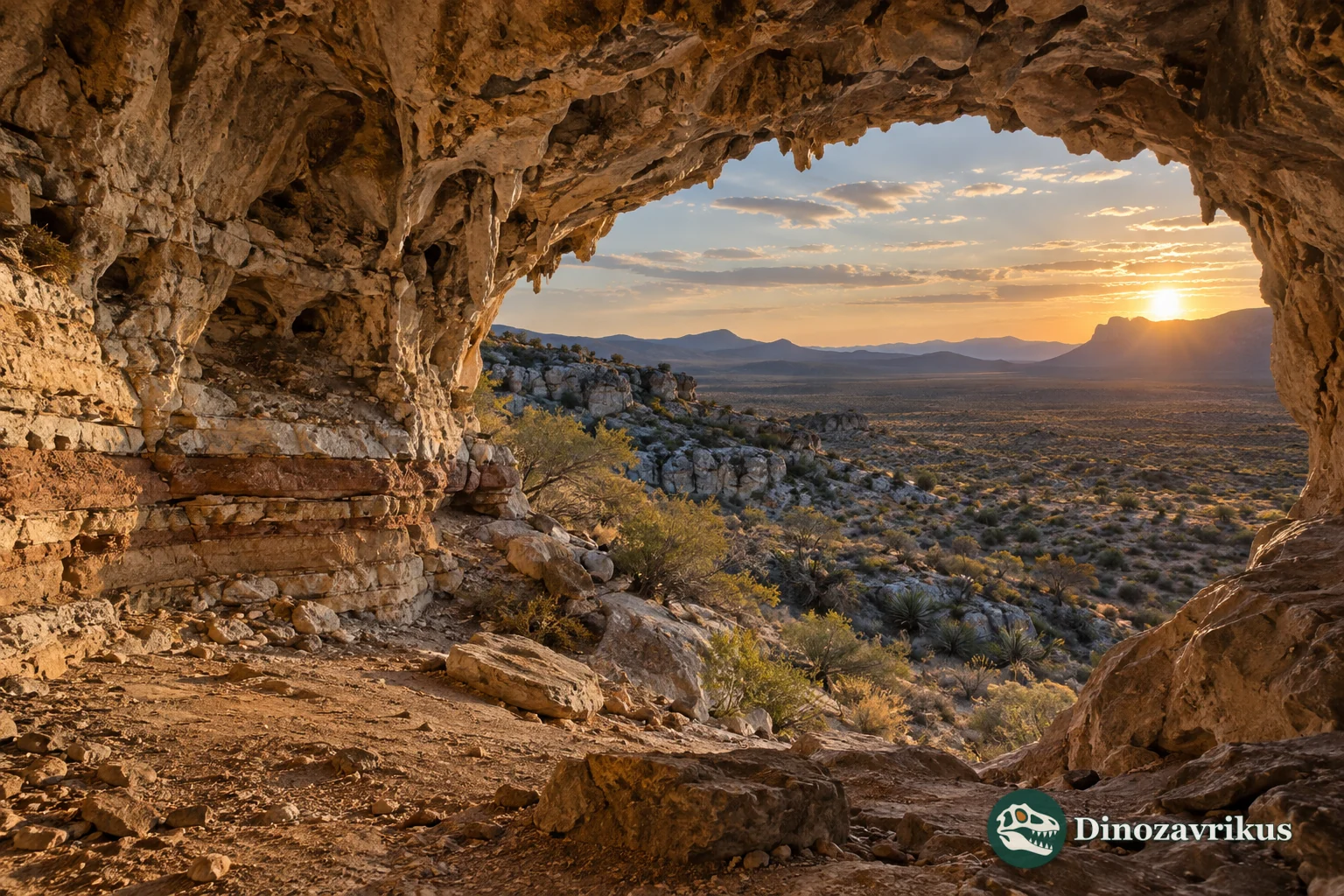
Russell and Harris designated UTEP 1-1202, an incomplete left dentary with cheek teeth, as the holotype. It came from Dry Cave in Eddy County, New Mexico. Additional partial jaws, palates, isolated teeth and postcranial bones were attributed to the species from several caves. A radiocarbon result of 29,290 ± 1,060 years BP concerned bone carbonate in the type deposit; it cannot date every specimen assigned to the hare.
Hypolagus illustrates another fossil hare lineage. Broadly similar hare bodies alone do not identify a genus; comparable dental features matter more.
Why the premolar matters
The enamel folds and small isolated enamel area of the lower third premolar were prominent in the original diagnosis. Individual teeth vary, so a single isolated crown cannot stand for the full range of a species. Later work on Cathedral Cave material found no simple directional trend in some enamel details.
Tomida and colleagues compared North American jaws and teeth with Eurasian Pliopentalagus in 2024. The combined pattern of premolar and cheek-tooth characters supported synonymizing Aztlanolagus with that genus, while smaller size and a particular character combination supported retaining agilis as a species. This does not establish a direction of dispersal. Prolagus belonged to a different lagomorph branch, showing that similar size and diet do not imply close genus-level relationship.
Running and regional records
The 1986 study compared proportions of isolated femoral and lower hind-limb elements with those of living hares. The result supports an interpretation of rapid running, but fossil bones do not record an individual's speed. A later report identified a lower premolar from Zacatecas in Mexico by enamel pattern, extending the documented regional record.
Cave accumulations can combine remains deposited at different times. Neighbors in one deposit need not have been alive together. The broader Quaternary record provides context, but the last observed fossil is not automatically an extinction date.
Frequently asked questions
Is Aztlanolagus still a separate genus?
A 2024 revision merged it with Pliopentalagus while retaining the North American species as P. agilis.
What is its holotype?
UTEP 1-1202 is an incomplete left lower jaw with cheek teeth from Dry Cave, New Mexico.
Can its running speed be calculated?
No exact speed is known. Hind-limb proportions support a running adaptation, not a direct measurement.
Does the type-layer date cover every fossil?
No. The published radiocarbon result concerns analyzed material from one deposit, not all referred specimens.