

Cliffia was a Late Cambrian trilobite from North America. Its type species gives its name to a subzone within beds deposited in an ancient sea. Some detached shields from such rocks resemble Cliffia even when too little of the shell survives for a firm identification.
Quick facts
| Group | Phylacterid trilobites |
|---|---|
| Age | Late Cambrian, Furongian |
| Genus named by | James Lee Wilson, 1951 |
| Type species | Cliffia lataegenae |
| Type beds | Morgan Creek Member, Texas |
| Oklahoma material | Specimen OU 121885 |
What can the fossils tell us?
Wilson initially placed it in another genus. In 1951 he made it the type species of Cliffia.
Geologists correlate beds using their fossil assemblages. The subzone name does not reveal where each trilobite lived.
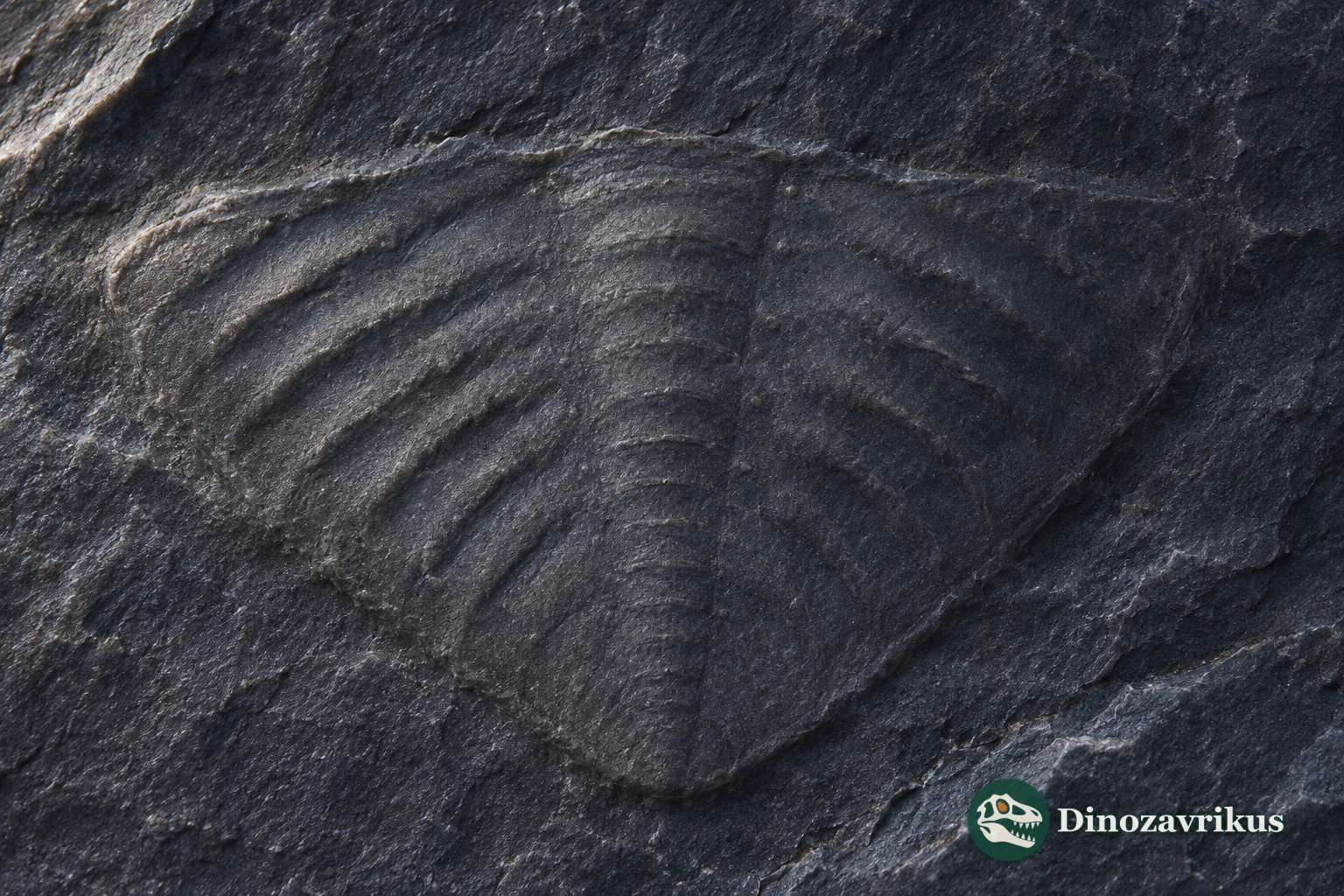
It has a long axis, faint nodes and prominent lateral grooves. Similar features occur in Cliffia and Aphelotoxon.
The Texas type and an Oklahoma record
In 1949 James Lee Wilson described the Texan species as Acrocephalites lataegenae. Two years later he established Cliffia and made it the type species. The original material comes from the Morgan Creek Member of the Wilberns Formation. At the Sam Noble Museum, specimen OU 121885 from Oklahoma's Honey Creek Formation has been identified as the same species.
A subzone in carbonate rocks
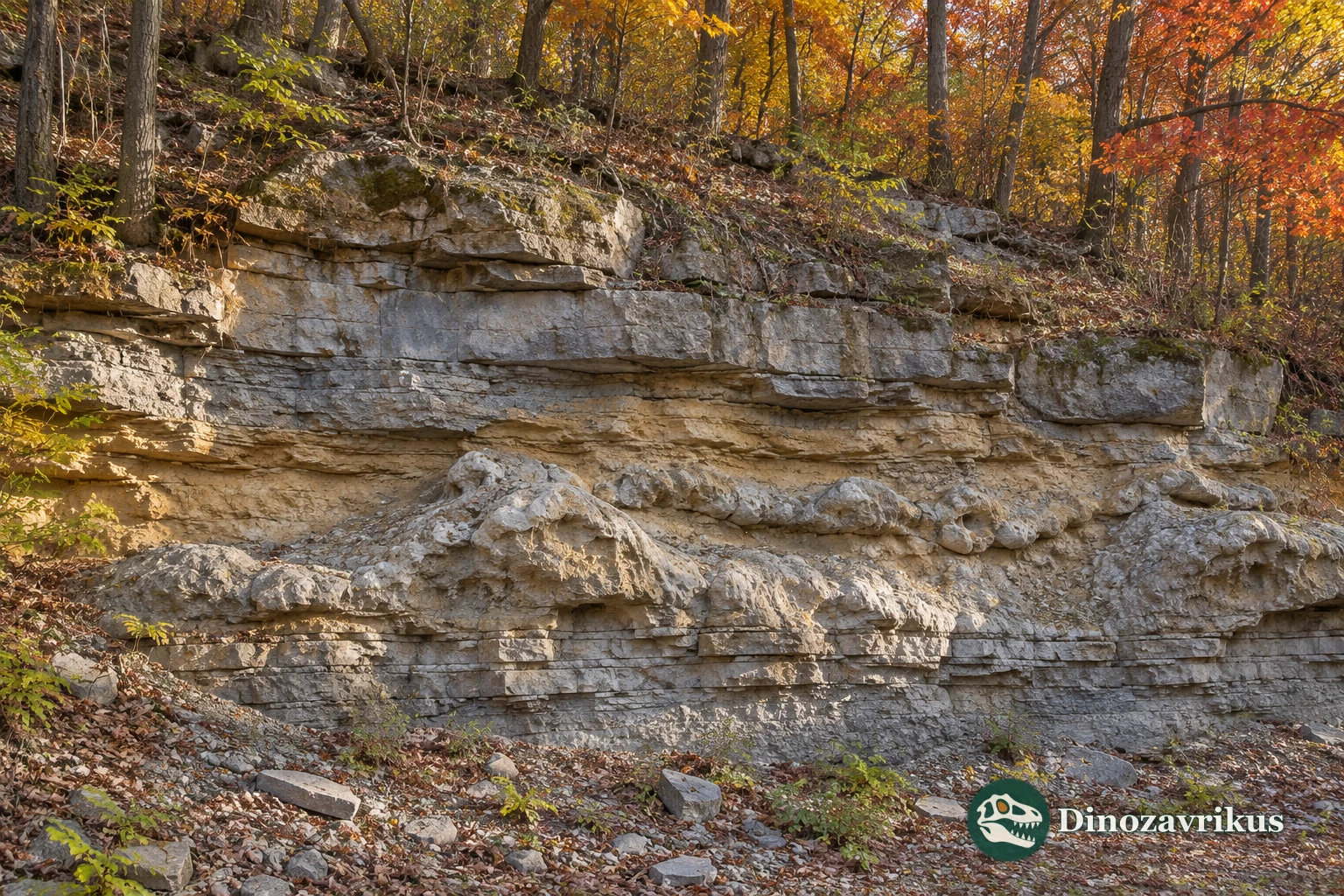
In Pennsylvania the Cliffia lataegenae Subzone is recognised in the Ore Hill Limestone Member of the Gatesburg Formation. Researchers compared assemblages found in limestone built by microbes with fossils from beds outside the buildups. Some specimens occur in sediment transported by storms. Their position can help correlate the beds, while the animal's living environment has to be considered separately.
What the Utah tail shield shows
A triangular tail shield with a long axis and prominent lateral grooves was found in the St Charles Formation at Smithfield Canyon. Frederick Sundberg compared it with Cliffia and Aphelotoxon and left the identification open. An older part of the local section preserves the Aphelaspis Biozone. The succession of such intervals allows correlation even where a single shield is difficult to identify.
Frequently asked questions
Where was the type species of Cliffia found?
In the Morgan Creek Member of the Wilberns Formation, Texas.
When was the genus named?
Wilson established Cliffia in 1951, two years after he named its type species under a different genus.
What is the Cliffia subzone?
It is an interval within the Elvinia Zone recognised by a characteristic Late Cambrian assemblage.
Why is the Utah tail shield tentatively identified?
Its long axis and prominent grooves resemble two genera. The preserved features do not separate them securely.