

Conjunctio was an Early Permian dissorophid amphibian from the southwestern United States. Its type specimen preserves a skull and several parts of the skeleton, including bony plates that can be compared with those of other dissorophids.
Quick facts
| Group | Temnospondyls, dissorophids (Dissorophidae) |
|---|---|
| Age | Early Permian |
| Region | North America: New Mexico and Colorado, United States |
| Type species | Conjunctio multidens |
| Scientific name | Conjunctio |
| Diet | Exact prey is unknown |
What can the fossils tell us?
The Field Museum holds holotype UC 673. Two additional specimens from New Mexico and Colorado were described in 2021.
Comparisons of the shape and arrangement of the plates help researchers distinguish dissorophid genera.
The fossils show where the bony plates sat, but how they affected the flexibility of the back cannot be measured directly.
A skull and skeleton from New Mexico
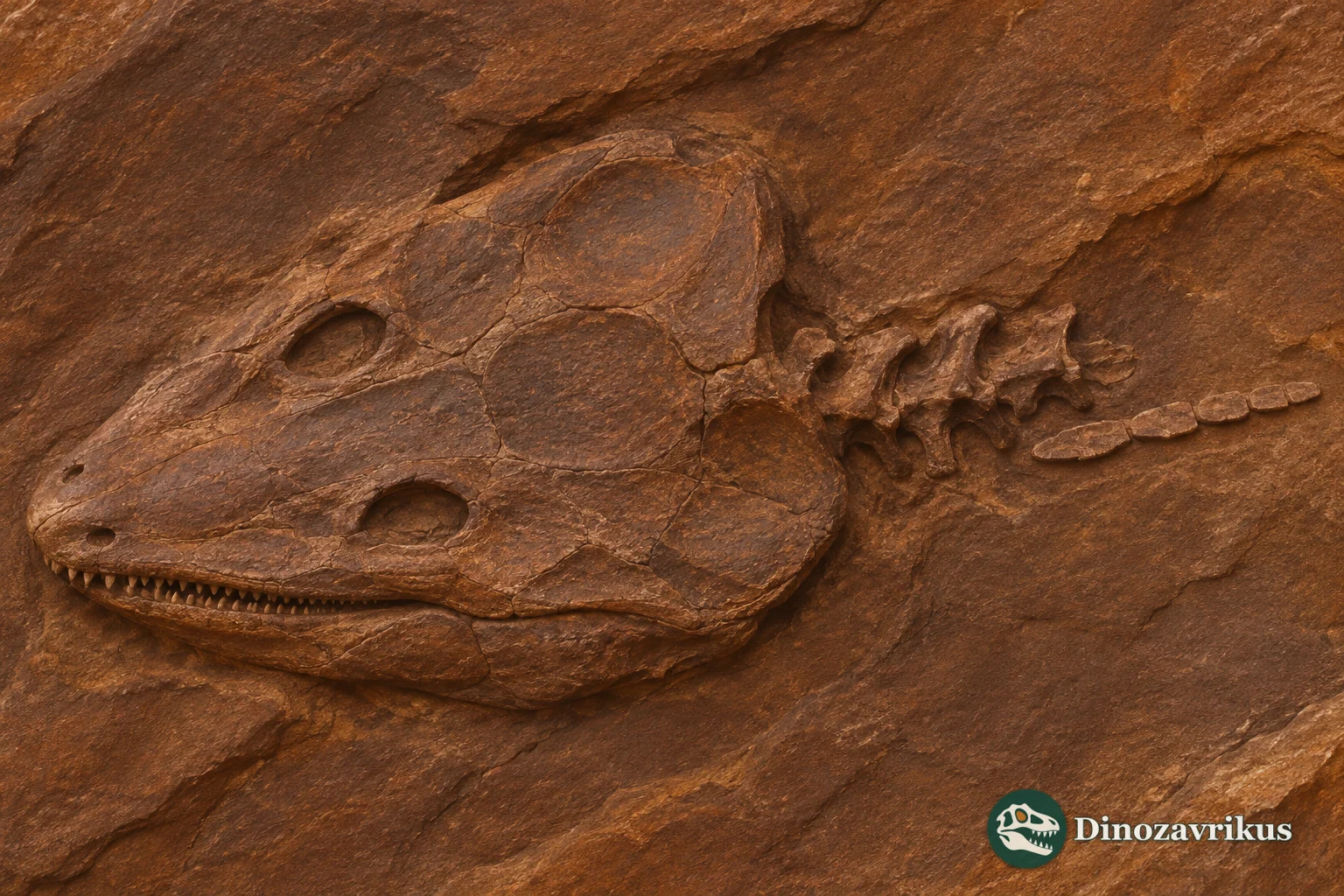
Paul C. Miller found holotype UC 673 in Rio Arriba County, New Mexico, in 1911. The Field Museum in Chicago holds the specimen. It includes the skull, shoulder blades, upper limb bones, parts of the pelvis and backbone, and osteoderms. Robert Carroll established Conjunctio multidens in 1964.
What the additional specimens show
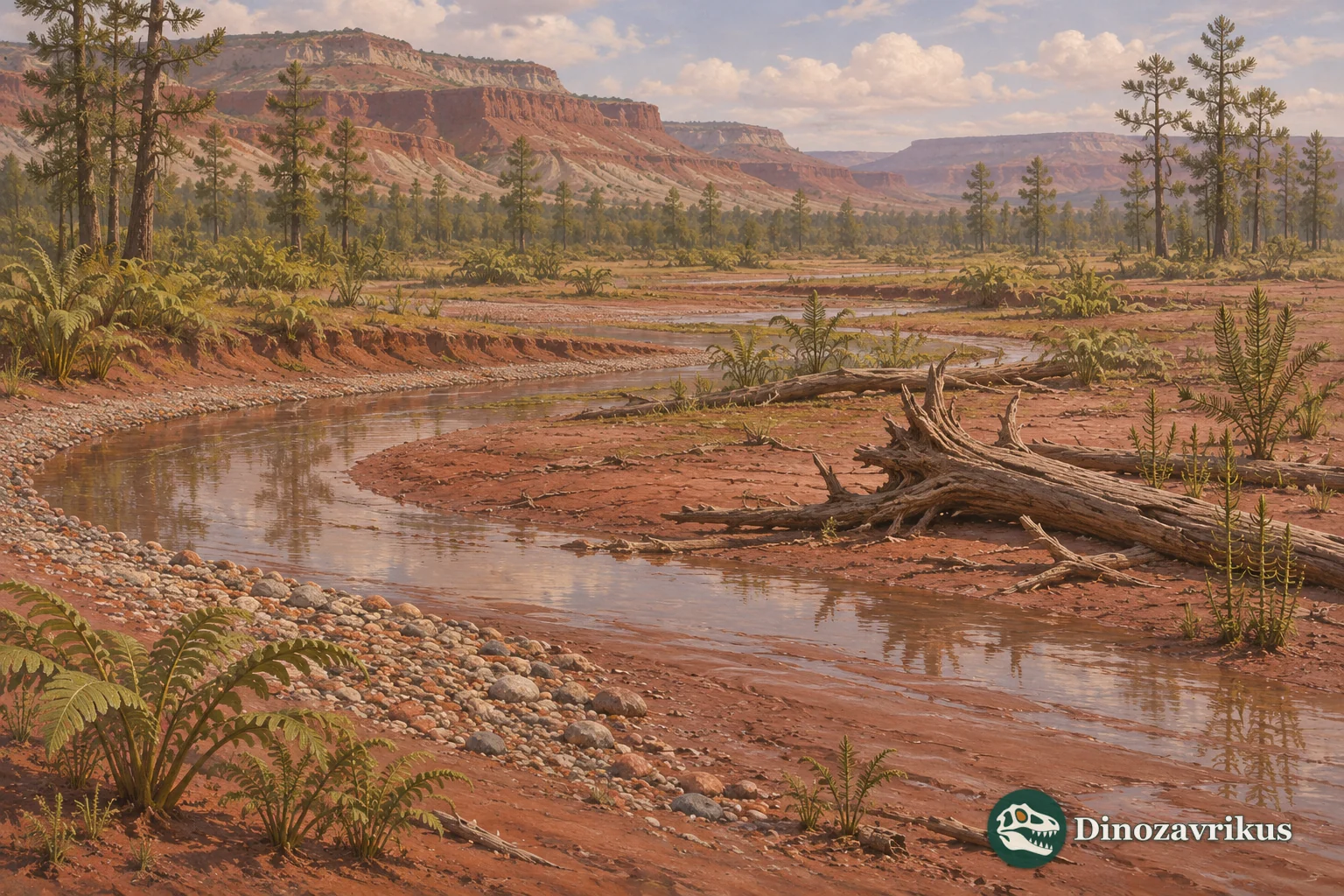
A 2021 study assigned two more specimens to the species. The New Mexico material comes from the upper part of the El Cobre Canyon Formation of the Cutler Group. The other specimen came from the Cutler beds near Placerville in southwestern Colorado. The new material provides further details of the lower jaw and other parts of the skeleton.
A row of plates along the backbone
Conjunctio had a single narrow row of osteoderms along its backbone. In Dissorophus, the dorsal plates form two overlapping series. This difference remains recognizable in fossil bone even when the soft outline of the body has to be reconstructed.
Relationships among dissorophids
The additional specimens allowed the researchers to check more characters in an analysis of relationships. The skull and skeleton support a place among dissorophids. The animal's closest relatives within the family remain open to further study.
Frequently asked questions
When did Conjunctio live?
Its known fossils are assigned to the Early Permian.
Where have Conjunctio fossils been found?
In New Mexico and southwestern Colorado, in rocks belonging to the Cutler Group and its local equivalents.
What are osteoderms?
They are bones that develop in the skin. In Conjunctio they formed a narrow row along the back.
What does holotype UC 673 preserve?
It preserves the skull, several limb and girdle bones, part of the backbone, and dorsal osteoderms.