

Falseryx was a small snake found in Oligocene and Miocene deposits. It is known from isolated vertebrae. The trunk bones closely resemble those of several other snakes, so palaeontologists look to the tail for additional clues.
Quick facts
| Group | Snakes (Serpentes) |
|---|---|
| Age | Early Oligocene and early Miocene |
| Region | Europe and Asia, including Belgium, Germany and Anatolia |
| Type species | Falseryx petersbuchi |
| Scientific name | Falseryx |
| Diet | Diet unknown |
What can the fossils tell us?
The Belgian fossils represent an Oligocene species. A tail vertebra from Petersbuch belongs to the Miocene type species.
The arrangement of the processes resembles that of some living tropidophiids. Other features would help test this relationship.
The fossils from Wintershof-West resemble Falseryx, but no diagnostic tail vertebrae were found to confirm the identification.
Two named species in Europe
Zbigniew Szyndlar and Jean-Claude Rage named the genus in 2003. Its type species, Falseryx petersbuchi, comes from the early Miocene site of Petersbuch 2 in Bavaria. In 2008 they joined Richard Smith in describing Falseryx neervelpensis from Boutersem in Belgium. The Belgian fossils come from the very beginning of the Oligocene and include bones from different parts of the spine.
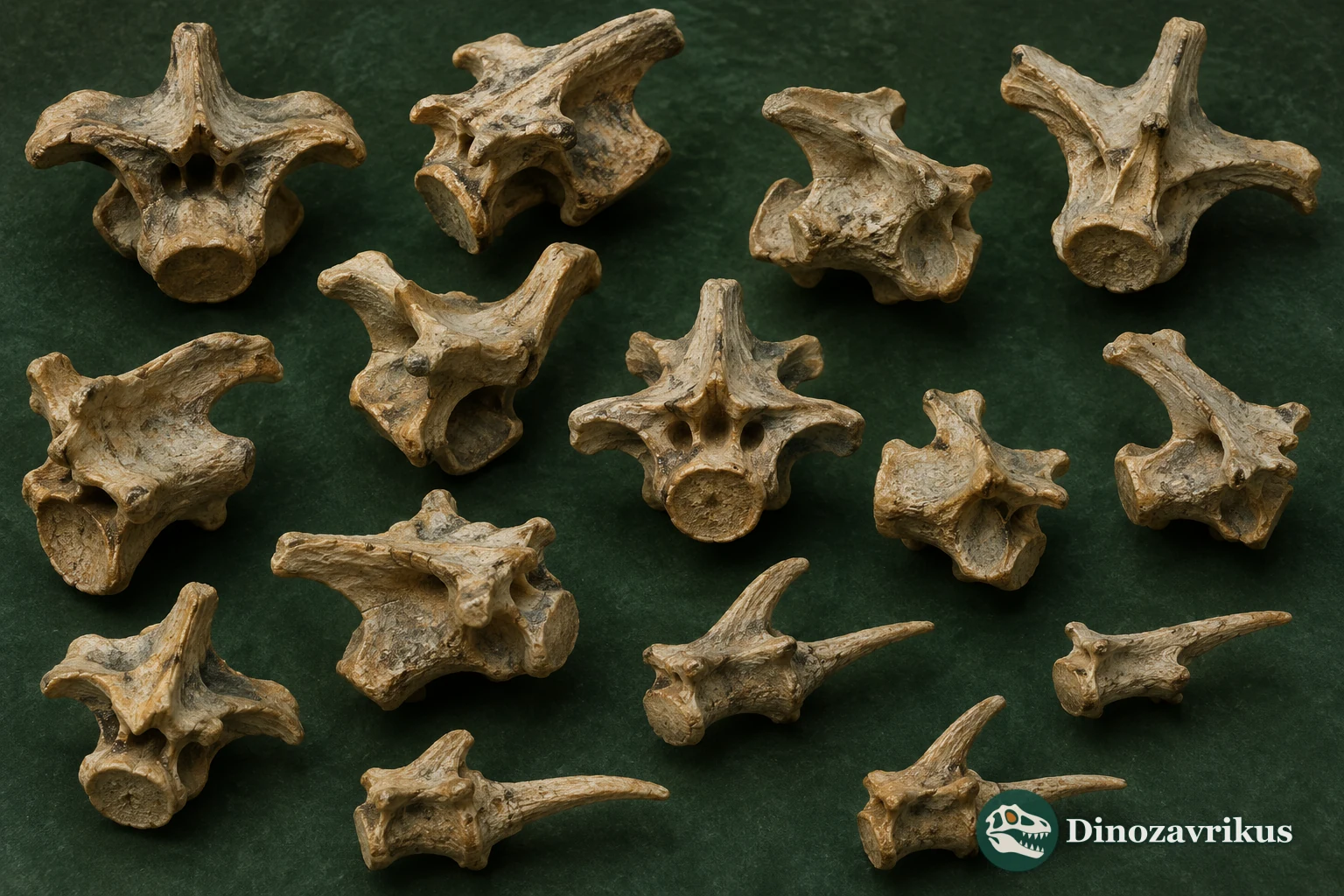
What the tail bones reveal
The tail vertebrae carry bony processes on their underside. Their position and shape vary along the tail. In Bransateryx, the tail bones are more complex even though the two genera have very similar trunk vertebrae. Some features of the Falseryx tail resemble those in tropidophiids, snakes living in tropical America today. Whether the fossil genus belongs close to the living members of that family remains uncertain.
Vertebrae from Anatolia
Early Miocene deposits at Kilçak yielded both trunk and tail bones assigned to Falseryx without an identification at species level. The body of the largest well-preserved trunk vertebra in that sample measures 2.4 mm long. Estimating the length of the whole snake would also require knowing how many vertebrae it had and how large they were in different parts of the spine.
Frequently asked questions
Where was the oldest Falseryx discovered?
Falseryx neervelpensis comes from Boutersem, Belgium, in deposits dating to the earliest Oligocene.
Why look at the tail bones?
Their processes provide features that distinguish Falseryx from snakes with similar trunk vertebrae.
What did Falseryx eat?
Its diet remains unknown. The fossils document the spine and give very little information about its prey.
Which species was found in Anatolia?
The Kilçak vertebrae were published as Falseryx sp. They have yet to be assigned to a species.