

Innitagnostus is a name applied to small Cambrian agnostoids. One reason its limits are disputed is the median furrow in front of the glabella. It is barely visible in the Australian type species but stands out in specimens assigned to inexpectans.
Quick facts
| Group | Agnostida |
|---|---|
| Age of key fossils | Late Cambrian |
| Genus named | Armin Öpik, 1967 |
| Type species | Innitagnostus innitens |
| Type locality | Willis Creek, Queensland, Australia |
| Main fossils | Head and tail shields |
What can the fossils tell us?
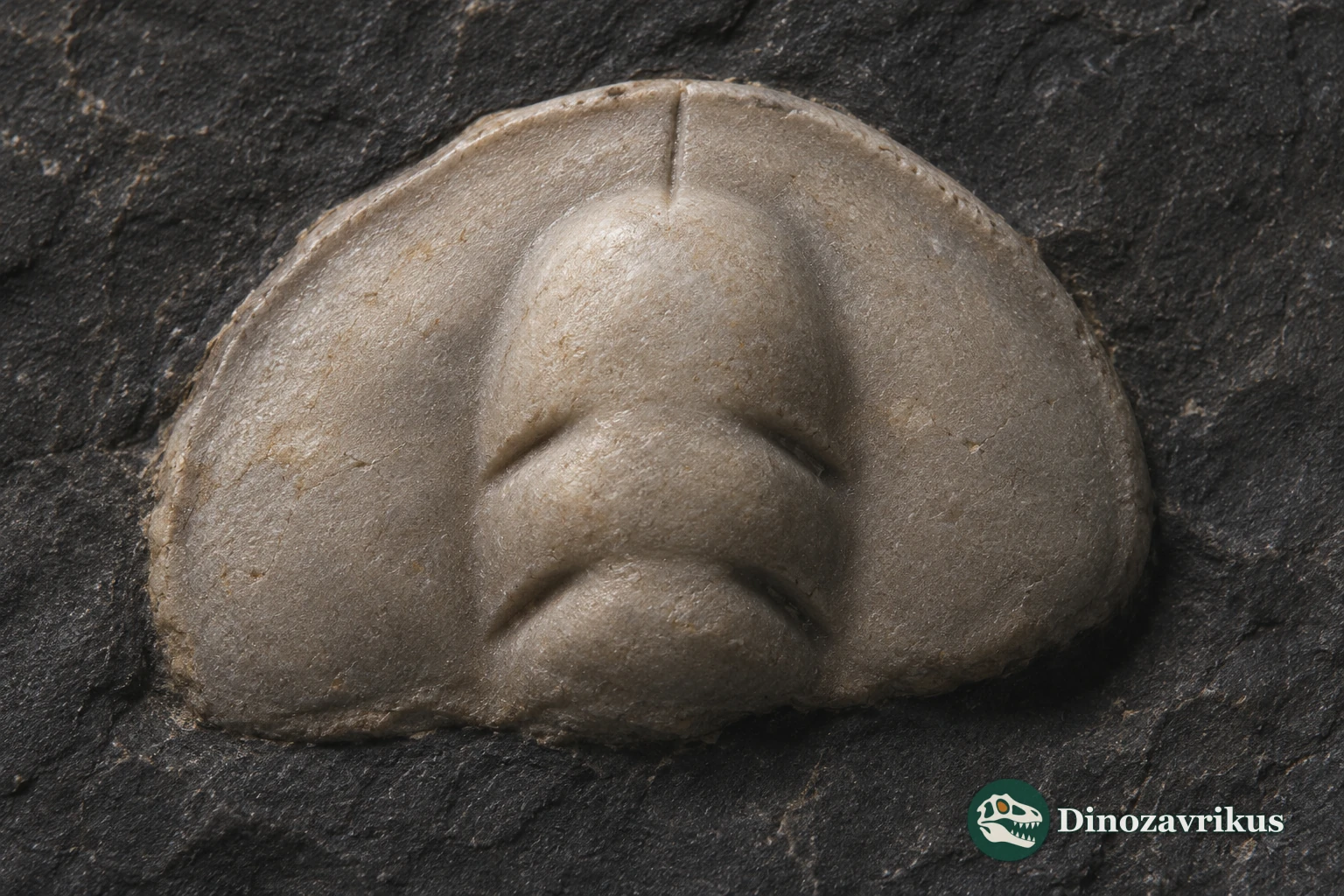
The cephalon from British Columbia anchors comparisons of inexpectans from other localities.
Their relative position differs in other fossil series. Growth may explain part of the variation.
Differences in this groove have influenced competing classifications. One groove alone cannot establish relationships among all the species assigned to the genus.
The Australian type species
Armin Öpik established Innitagnostus in 1967. He designated I. innitens from Pomegranate Limestone at Willis Creek in northwestern Queensland as its type species. The raised centre of the head shield, the glabella, bears furrows, while the median furrow ahead of it is almost effaced.
Some authors combined the genus with Agnostus. Others assigned its type species to Micragnostus. Stephen Westrop and Jennifer Eoff used the name Innitagnostus in quotation marks. They considered it potentially distinct but retained doubts that all the included species formed a single lineage.
The lectotype of inexpectans
Teiichi Kobayashi described inexpectans in 1938 from British Columbia. In their revision, Westrop and Eoff selected a nearly complete head shield from the original series, GSC 12006, as the lectotype. Two pairs of deep furrows separate lobes on its raised glabella.
Comparable relief occurs on heads from western Newfoundland and Nevada. The Newfoundland specimens also have a clearly defined median furrow ahead of the glabella. Dorsal views pick out the grooves but give less information about how high the shields were in profile.
Where the tail spines sit
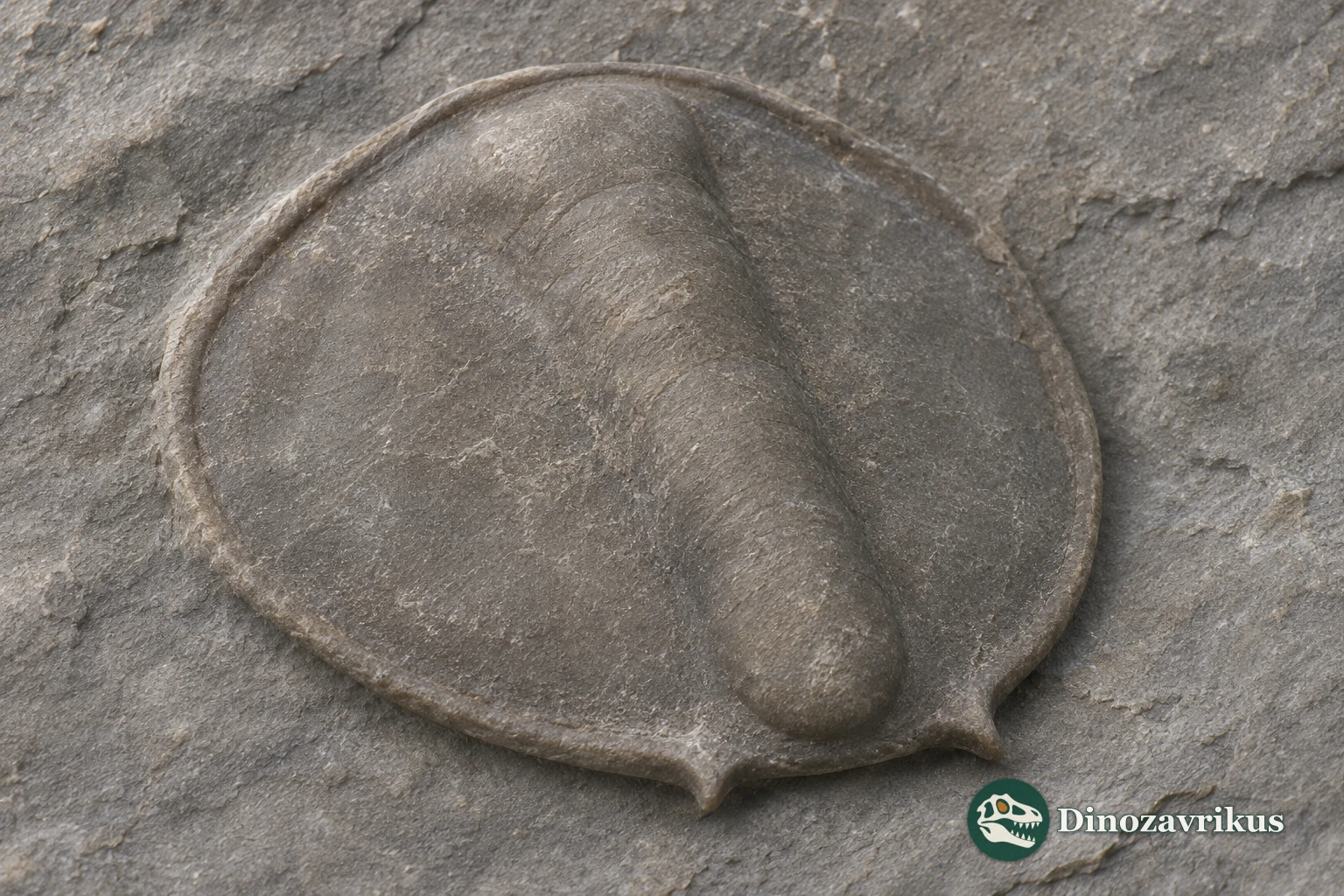
The pygidium from Cow Head limestone boulder CH 49 has a rounded rear end to its central axis. The two short posterolateral spines sit behind its tip. On some similarly sized shields from Nevada and the Mackenzie Mountains the spines align with the axis tip or sit in front of it.
Small Nevada specimens suggest that this relationship changed during growth. The available fossils still leave open how much of the variation among localities reflects age and how much reflects differences between populations.
Frequently asked questions
Where did the type species come from?
It is from Late Cambrian limestone at Willis Creek in northwestern Queensland, Australia.
Why do some authors use quotation marks around the name?
They use the name provisionally because the relationships of the included species remain uncertain.
Which fossil is the lectotype of inexpectans?
GSC 12006, a nearly complete head shield from the original British Columbia material.
Were the tail spines always behind the axial tip?
Other specimens have spines level with the tip or in front of it. Their position may have changed during growth.