

Ivshinagnostus occurs in Late Cambrian marine beds across parts of Asia. At Duibian in China, isolated shields can be tied to a measured rock layer. The type species helps define a local fossil zone in Kazakhstan, and successive species are recorded in southern Korea.
Quick facts
| Group | Agnostida |
|---|---|
| Age | Furongian, Late Cambrian |
| Named by | G. Kh. Ergaliev, 1980 |
| Type species | Ivshinagnostus ivshini |
| Key sections | Malyi Karatau, Duibian and Gonggiri |
| Chinese finds | Detached head and tail shields |
What can the fossils tell us?
The Malyi Karatau sequence identifies an interval from the association of Ivshinagnostus and Irvingella.
They came from 116.4 m above the base of the Huayansi Formation. That level refers to the illustrated material.
I. quadratus occurs in the Eochuangia hana Zone and the overlying Agnostotes orientalis Zone.
The Malyi Karatau type species
G. Kh. Ergaliev established the genus in 1980 with the Kazakh species I. ivshini as type. The Kyrshabakty section in the Malyi Karatau Range includes a late interval of the regional Sakian Stage named for the association of I. ivshini and Irvingella major.
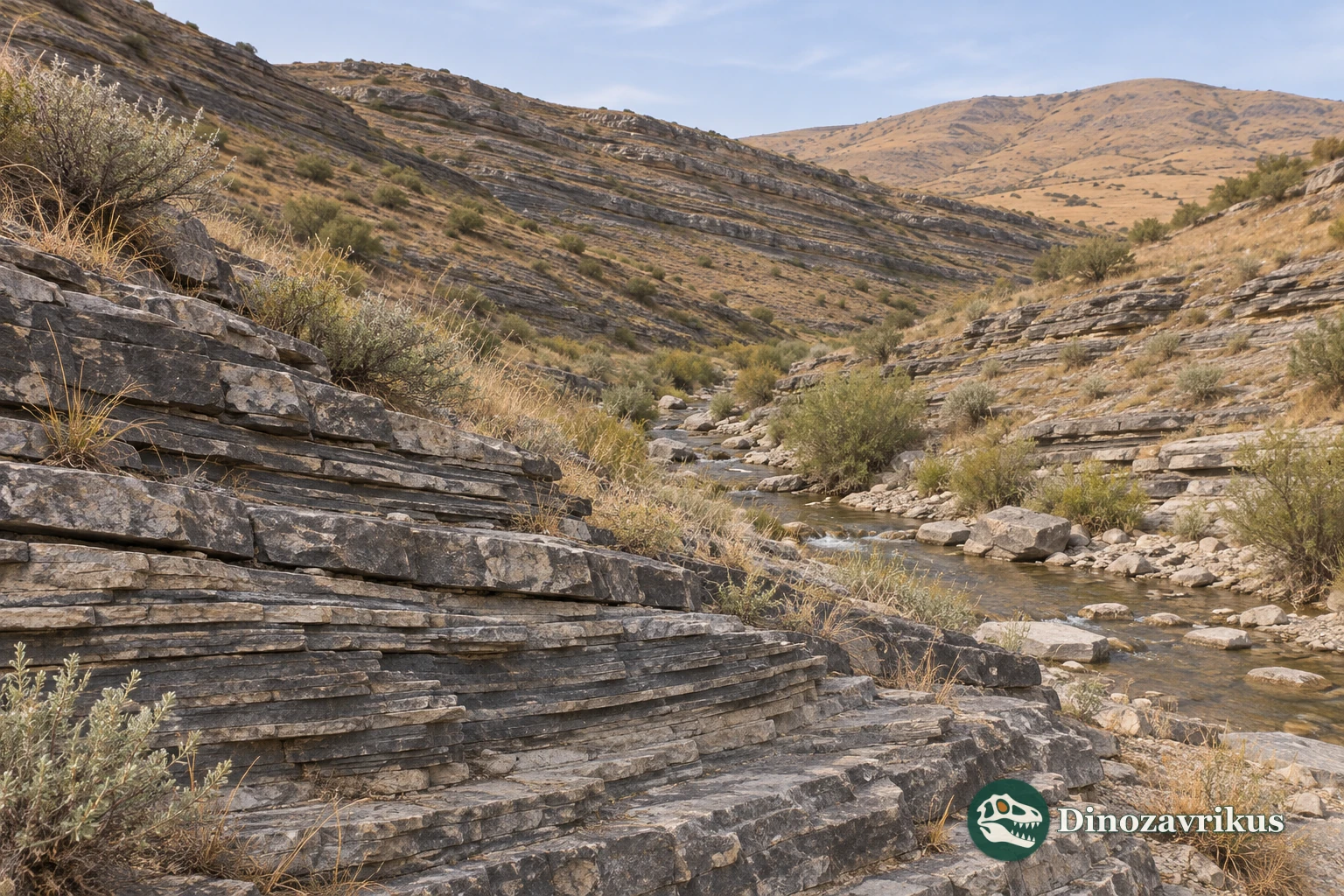
Grey, thin-bedded limestone of the Bestogai Formation is exposed in the river section. Researchers compared the Kazakh fossil association with the Agnostotes orientalis Zone in Korea, partly because Irvingella major is found in both. The comparison points to a similar age without establishing an exact equivalence.
A head and tail from China
A head shield and tail shield of I. hunanensis were figured from sample DB28 in the Duibian B section of western Zhejiang. The horizon lies 116.4 m above the base of the Huayansi Formation. The photographed latex cast of the head shows a rounded outline and a raised central region. The separate tail shield has an elongate axis and a broad field around it.
The base of the international Jiangshanian Stage is defined in this section at 108.12 m above the formation base, where Agnostotes orientalis first appears. A species of Tomagnostella appears lower in the section. The illustrated Ivshinagnostus shields came from a higher layer than the stage boundary.
The succession in South Korea
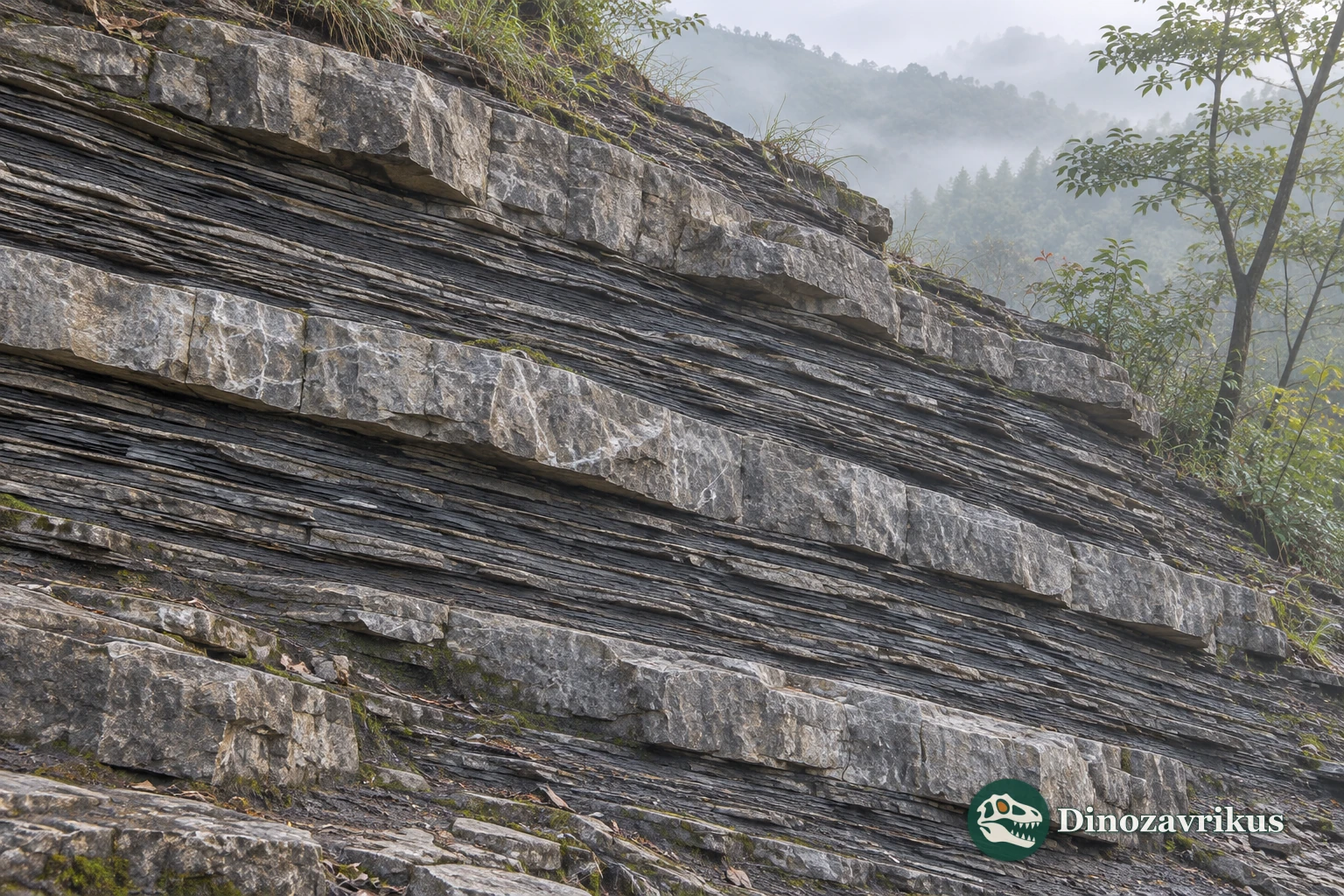
At Gonggiri near Yeongwol the middle part of the Machari Formation contains I. hunanensis, I. alatus and I. quadratus in the Eochuangia hana Zone. I. hunanensis is the first of the three to appear there. I. quadratus is also recorded in the overlying Agnostotes orientalis Zone. Both the shared species and their order of appearance help when comparing the Korean succession with other sections.
Frequently asked questions
Where did the type species come from?
It was described from Late Cambrian deposits of southern Kazakhstan.
What material is illustrated from the Chinese section?
A latex cast of a head shield and a separate tail shield from horizon DB28.
Which level marks the start of the Jiangshanian Stage at Duibian?
The first Agnostotes orientalis occurs 108.12 m above the base of the Huayansi Formation and defines the stage boundary there.
Which species is recorded in two neighbouring Korean zones?
I. quadratus occurs in the Eochuangia hana and Agnostotes orientalis zones.