

Kuttanacaiman iquitosensis was a small caiman from the Pebas wetlands of western Amazonia about 13 million years ago. A nearly complete skull shows its blunt snout and tightly packed, rounded teeth towards the back of the jaws. The teeth provide a clue to its diet in a community unusually rich in molluscs.
Quick facts
| Species | Kuttanacaiman iquitosensis |
|---|---|
| Group | Caimaninae |
| Age | Late middle Miocene, about 13 million years ago |
| Locality | Near Iquitos, Peru, Pebas Formation |
| Holotype | MUSM 1490, skull and lower jaw |
| Estimated length | About 1.71–1.89 m |
What can the fossils tell us?
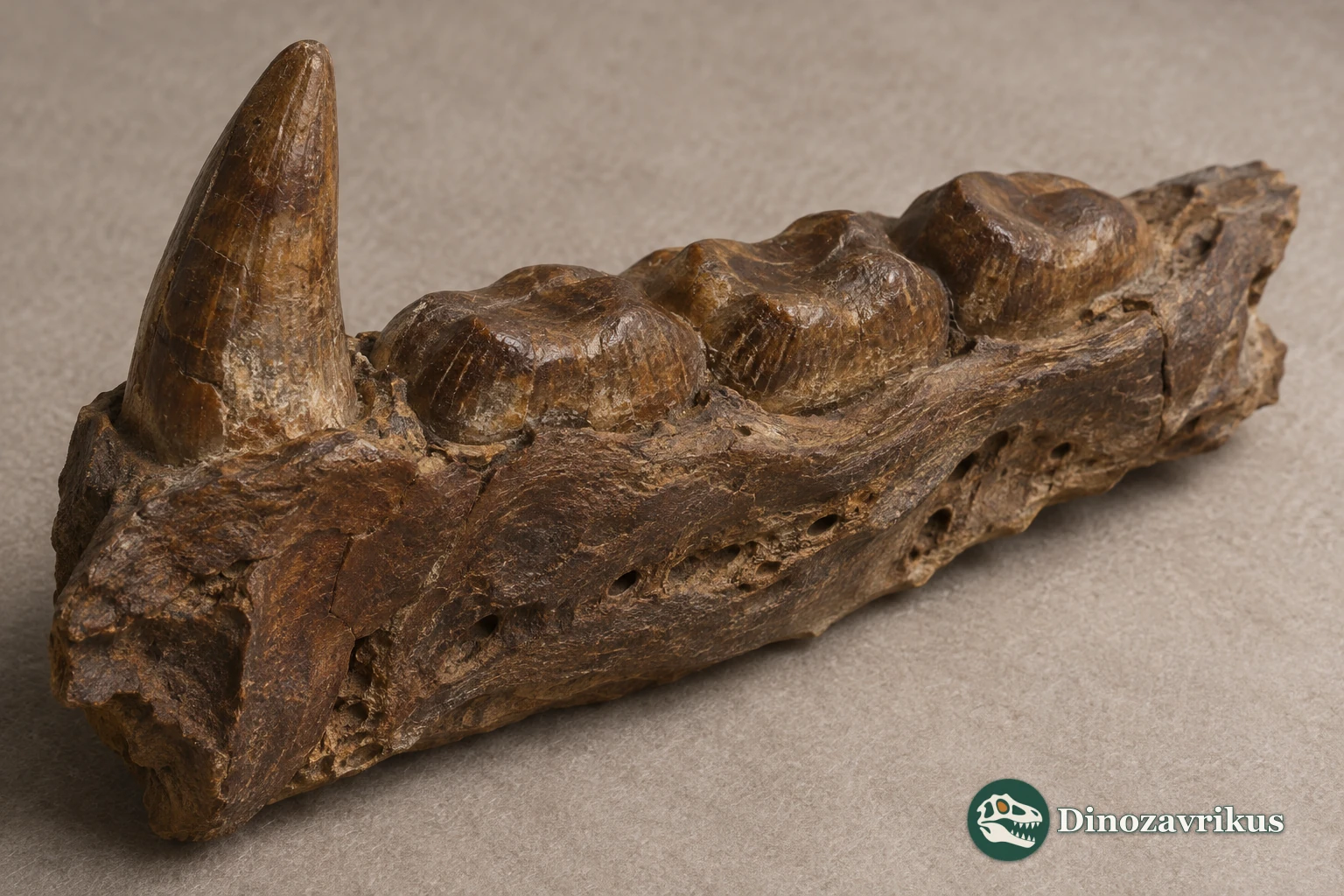
MUSM 1490 preserves the alignment of the upper and lower tooth rows. The skull fixes their bony proportions, while skin and other soft tissues remain unknown.
Their shape is consistent with processing hard food. It cannot identify a particular species of prey.
Some shells carry damage consistent with crushing. Several crocodilians with crushing teeth occur in the deposits, so the marks cannot be assigned to this caiman alone.
Two sites near Iquitos
Rodolfo Salas-Gismondi and colleagues named Kuttanacaiman in 2015. The type, MUSM 1490, is a nearly complete skull with the lower jaw in place. It comes from site IQ26 and is housed in the natural history museum of the National University of San Marcos in Lima. A second specimen from IQ114 includes a maxilla, a piece of skull roof and the left side of the lower jaw.
The genus name combines caiman with kuttana, a Quechua word for a grinding or crushing device. The specific name honours the Iquitos people. The original study estimated a total length of about 1.71–1.89 metres from the fossil measurements. The largest size reached by the species is unknown.
A blunt snout with closely packed rear teeth
The snout accounts for about 52% of skull length and ends in a broadly rounded tip. The nostril opens upwards. Each side has five premaxillary and thirteen maxillary sockets in the upper jaw and eighteen sockets in the lower jaw.
The rear teeth have rounded crowns, low in profile and compressed from side to side. They are packed closely together. Gnatusuchus, from the same community, had fewer lower tooth positions and a long gap separating the front and rear teeth. The two caimans combined crushing crowns with different arrangements of the rest of the tooth row.
Shells and food in the Pebas wetlands
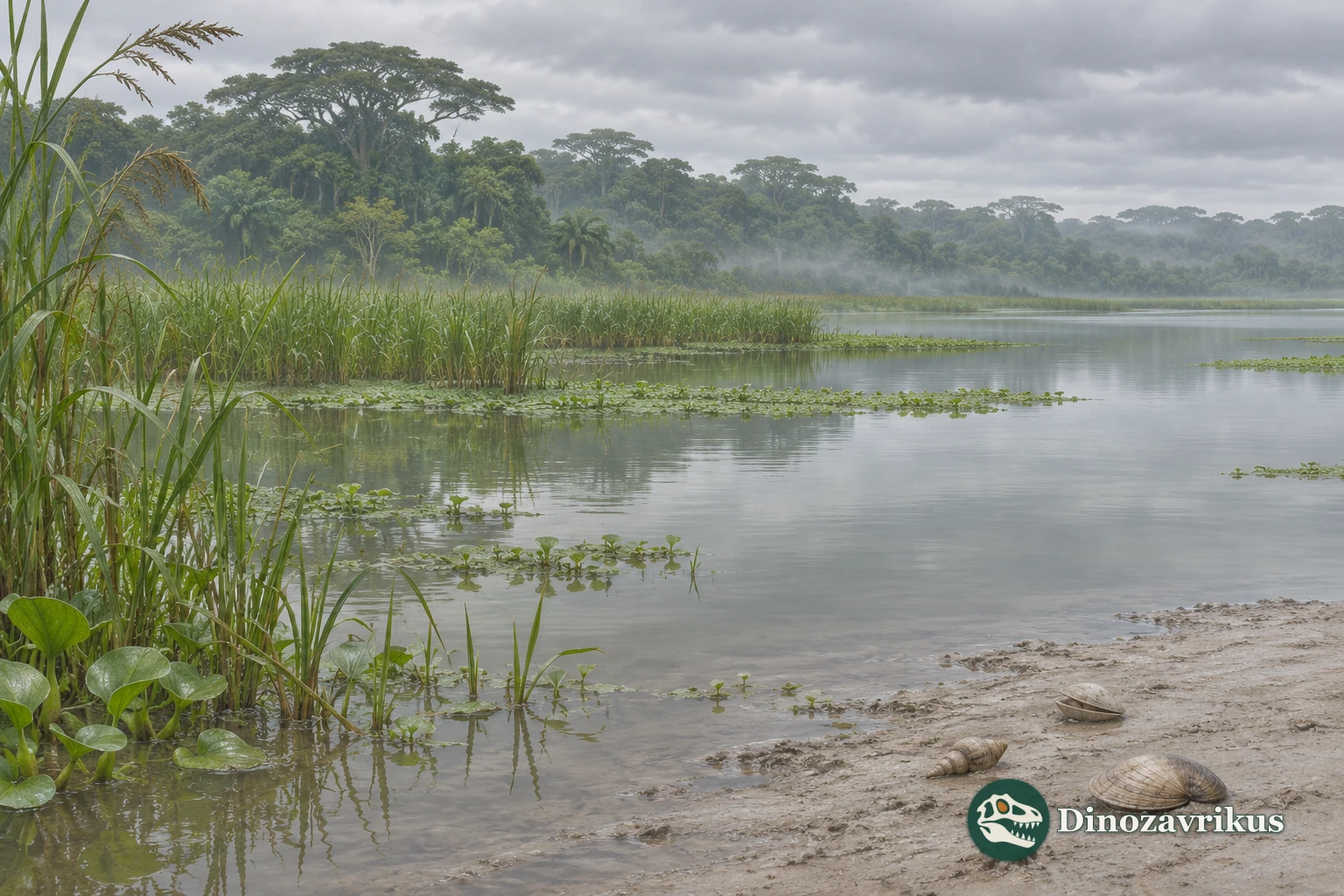
Pebas lakes and marshes supported abundant bivalves, including thick-shelled forms of Pachydon. Some shells show damage followed by resumed growth. These fossils and the variety of robust teeth support the idea that hard-shelled prey helped sustain several members of the crocodilian community.
A mark on an individual shell cannot single out Kuttanacaiman as its maker. Researchers instead identify the animal as a caimanine using several anatomical features, including the shape of parts of the palate and skull roof as well as the teeth.
Frequently asked questions
What does the name mean?
It combines the Quechua word kuttana, a crushing or grinding device, with caiman.
Where was the type found?
At site IQ26 near Iquitos, Peru, in the middle Miocene Pebas Formation.
Did Kuttanacaiman eat molluscs?
Its rear teeth could crush shells, but no single prey species can be identified for this caiman.
How long was it?
The original description estimated a total length of about 1.71–1.89 metres.