

Lestophis is a historical name attached to fossil vertebrae from Eocene Wyoming. Their anatomy supports an identification as rhineurid worm lizard bones. The type material lacks features that would establish a separate species.
Quick facts
| Group | Worm lizards (Amphisbaenia), rhineurids (Rhineuridae) |
|---|---|
| Age | Eocene |
| Region | North America, United States, Wyoming |
| Historical species name | Lestophis anceps |
| Scientific name | Lestophis |
| Diet | No direct evidence |
What can the fossils tell us?
The type vertebrae come from Eocene deposits in the Bridger Basin of Wyoming.
Comparative anatomy places the bones in Rhineuridae, a family of worm lizards.
The type bones lack features that diagnose a distinct species. Researchers consequently treat Lestophis anceps as a dubious name.
Vertebrae from the Bridger Basin
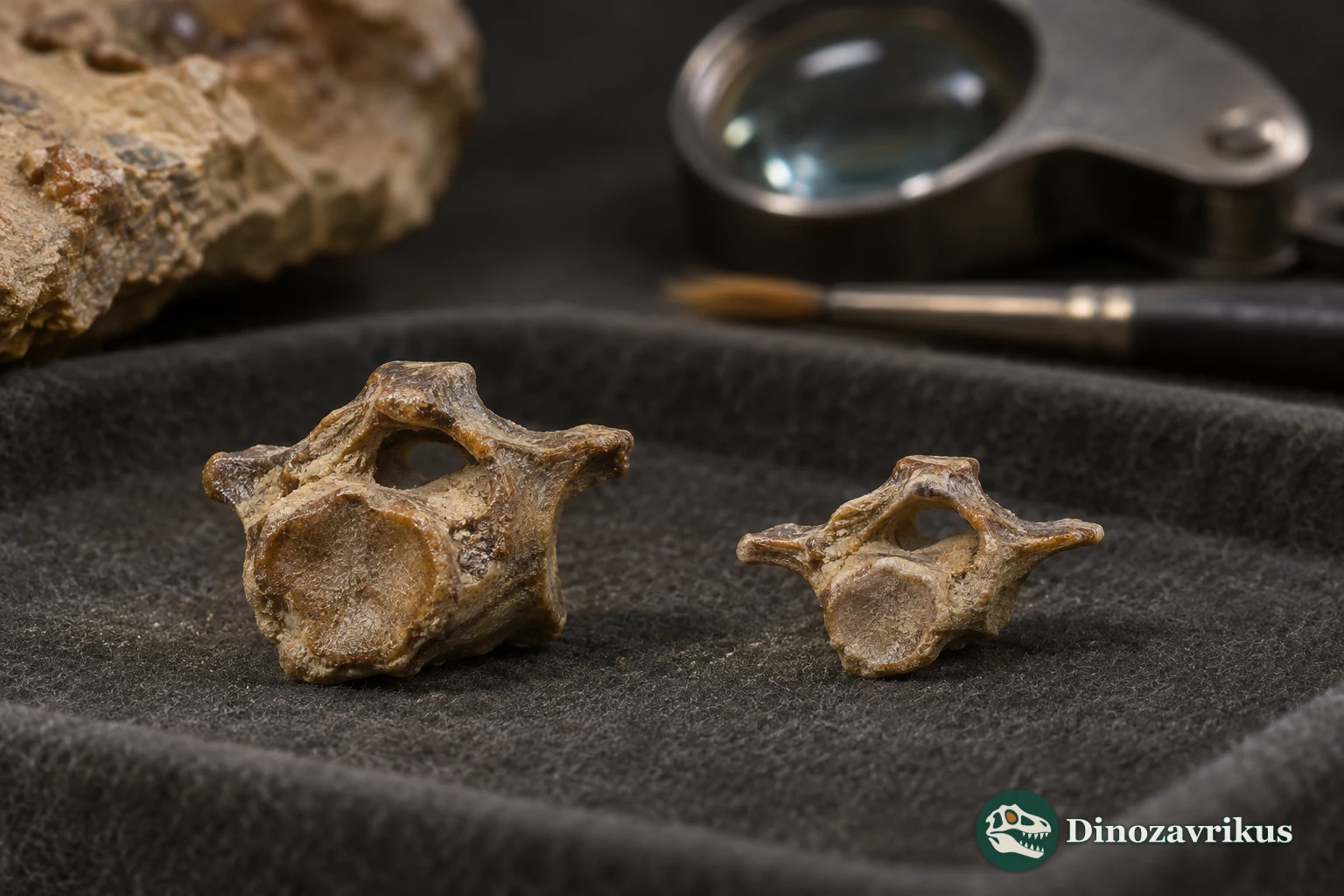
Othniel Charles Marsh introduced the genus name Lestophis in 1885. The type material known as Lestophis anceps consists of fossil vertebrae from the Bridger Basin. Comparison with other squamates placed the bones in Rhineuridae, a family of worm lizards.
Why the species name is doubtful
An isolated vertebra may carry enough information to identify a family. Distinguishing closely related species requires a finer set of features. Palaeoblanus is an example of a fossil worm lizard for which jaw material is available. The type vertebrae of Lestophis anceps offer no comparably reliable species-level diagnosis, so the name is treated as a nomen dubium.
Frequently asked questions
Was Lestophis a snake?
The type vertebrae are assigned to Rhineuridae, a family of worm lizards.
Where were the bones found?
They come from Eocene deposits in the Bridger Basin, Wyoming.
Why is the name considered doubtful?
The vertebrae are identifiable at the family level and lack characteristics that establish a distinct species.
Can its body length be estimated?
Isolated vertebrae without an associated skeleton give no reliable estimate of total length.