

Trevor Worthy and colleagues recognised Matanas from the shape of its humerus. The duck lived on New Zealand’s South Island when a large lake covered part of what is now Central Otago. Its bones are less common than those of several other ducks in the lake deposits.
Quick facts
| Family | Anatidae |
|---|---|
| Age | Miocene, about 19–16 million years for the deposits |
| Locality | St Bathans, South Island, New Zealand |
| Holotype | NMNZ S.42281 |
| Humerus length | 84.8 mm |
| Collection | Museum of New Zealand Te Papa Tongarewa |
What can the fossils tell us?
The type humerus can be measured at 84.8 mm despite damage to its crests. It preserves the proportions and parts of the joints used in comparisons.
A right distal humerus from another site can be compared with the same end on the left type bone. The specimens do not provide a complete wing.
One coracoid was tentatively referred to Matanas in the original description. A later inventory illustrated a second left coracoid under the same name. Both assignments depend on comparisons of isolated bones.
Two bones from different sites
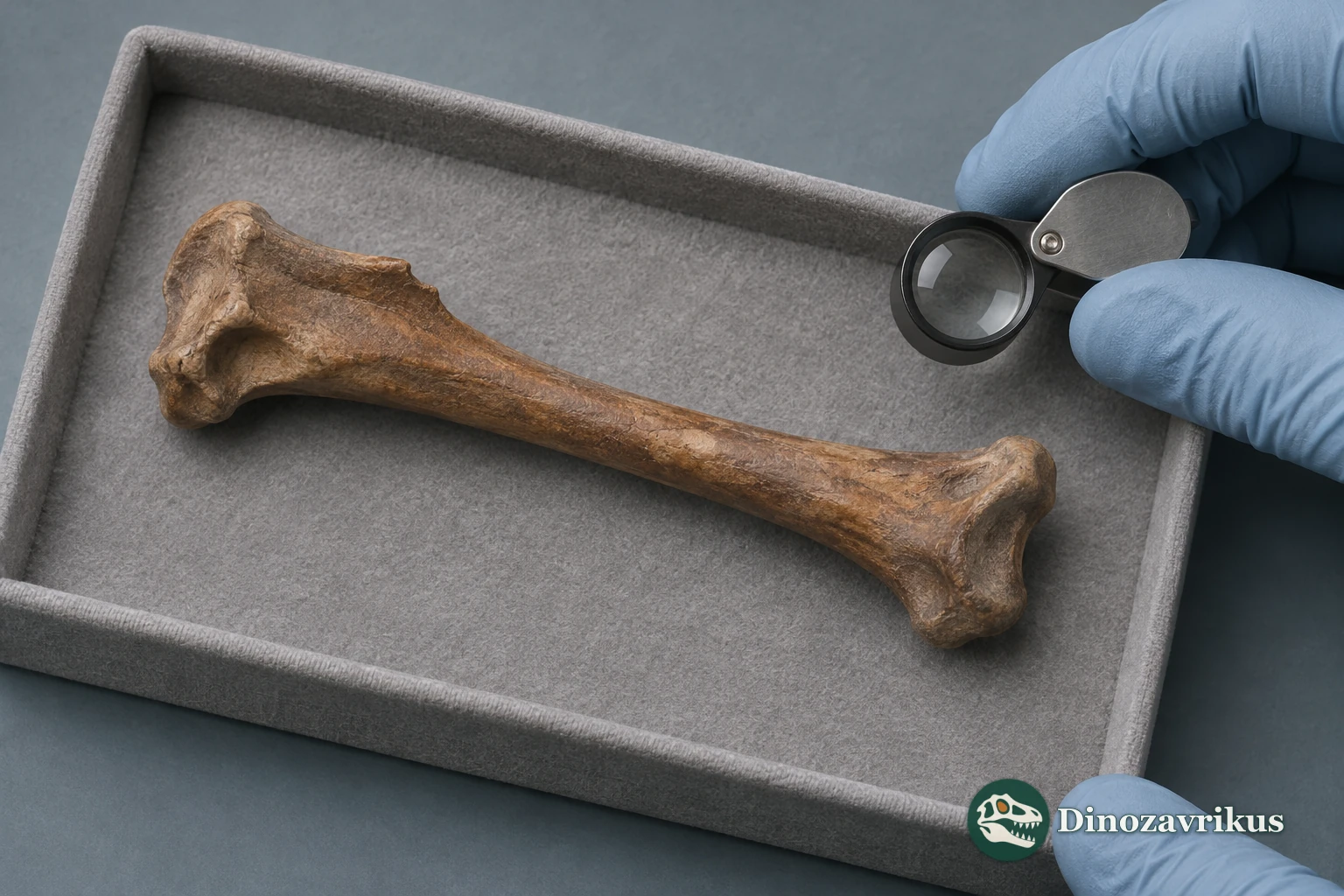
Trevor Worthy, Alan Tennyson and their field team collected the type specimen beside Mata Creek on 3 October 2002. It is a nearly complete left humerus 84.8 mm long, with damage to the crests and wear on the surfaces at the elbow. The end of a right humerus collected along the Manuherikia River in March 2003 became the paratype.
The 2007 description combined the name of Mata Creek with the Latin anas, meaning duck. The species name enrighti honours Jack Enright, who owned the property where the type was found. Both type specimens are held at Te Papa Tongarewa.
How the shoulder and wing distinguish the duck
The humerus has proportions comparable to those of several living dabbling ducks. It also retains ridges and crests that differ from those in Anas. An open pneumatic recess near the shoulder end differs from the closed recess in several diving ducks included in the original comparison. The authors identified a member of the duck family. A later inventory grouped it with the dabbling ducks.
The original paper tentatively attributed a left coracoid, NMNZ S.42312, to Matanas. This bone braced the shoulder. The later St Bathans synthesis illustrated a different left coracoid, NMNZ S.43921, under the same species. Both finds were assigned separately from the type humeri.
Among the ducks of Lake Manuherikia
The bones come from the lower Bannockburn Formation. The interval of roughly 19–16 million years dates the lake deposits. They also preserve the fossil duck Manuherikia, which is placed with stiff-tailed ducks in the recent inventory. The bones separate Matanas from other ducks at St Bathans, but give no direct record of its diet or feeding behaviour.
Frequently asked questions
How much of the wing survives in the holotype?
The left humerus is nearly complete and measures 84.8 mm. Parts of its crests are broken and the elbow surfaces are worn.
Were both type bones found at Mata Creek?
The holotype came from Mata Creek. The paratype came from a different locality beside the Manuherikia River. Both are from St Bathans deposits.
Who was Enright’s duck named for?
Its species name honours Jack Enright, the landowner at the type locality.
Was Matanas a specialist diving duck?
The humerus differs from that of several living divers in the original comparison. The fossil material does not establish how the species fed.