

Megalodytes was named from a stout shin bone in California marine deposits. Hildegarde Howard noted traits that recalled swans and others that she associated with diving. Later research questioned its swan affinities and distinguished the California material from a Miocene bird in Japan once thought to be closely related.
Quick facts
| Family | Anatidae |
|---|---|
| Age | Middle Miocene |
| Locality | Sharktooth Hill, California, USA |
| Holotype | LACM 123991 |
| Type shin length | 151.9 mm |
| Named by | Hildegarde Howard, 1992 |
What can the fossils tell us?
The type preserves a stout tibiotarsus with a long crest that projects on its inner side. Howard regarded this feature as a diving adaptation. It gives no depth or duration for a dive.
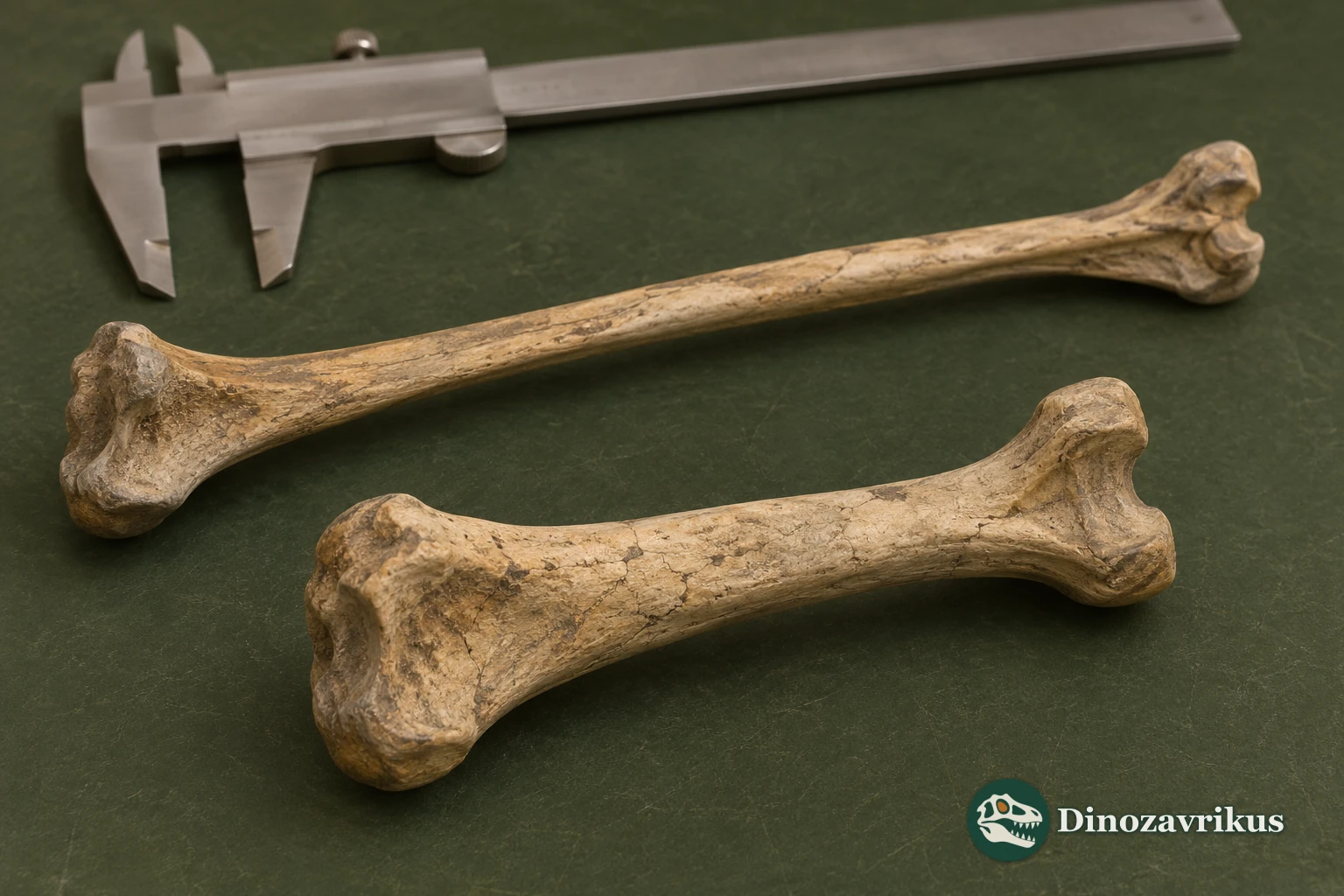
The two thigh bones came from close to the type shin. They resemble it in preservation and maturity, but they were not found articulated.
Casts let researchers compare the three types of limb bone with the Japanese bird. Differences in shape and proportions support recognising a separate genus in Japan.
The Sharktooth Hill finds
Samuel McLeod collected the holotype, LACM 123991, on 8 May 1982 in Kern County. The left tibiotarsus measures 151.9 mm and has damage around the crests at the upper end. Howard described it in 1992. The genus name combines Greek for large and diver. The species name honours G. Victor Morejohn.
Two nearly complete thigh bones lay within a few metres of the shin. Their size, maturity and preservation suggested that they could be from the same bird, but Howard could not confirm the association. She also referred an upper fragment of a right humerus to the species. A set of smaller bones from the same bone bed was assigned only tentatively to the genus.
Evidence of diving
The shafts of the shin and thigh bones are stout, as in swans. The shin of Megalodytes has a flatter front surface and an inner crest that projects more strongly and extends farther down the shaft. Howard associated these differences with greater diving ability. The features do not indicate dive depth or diet.
The much younger Chendytes from the Pacific coast also dove. Its shin was more flattened and its crests differ from those of Megalodytes. Similar roles in locomotion can occur in birds with different histories.
The Japanese fossil and the question of flight
A Japanese Miocene skeleton was once referred to a form close to Megalodytes. Hiroshige Matsuoka and Yoshikazu Hasegawa compared it with casts from Los Angeles. They named the Japanese genus Annakacygna in 2022. The California bird has a shorter shin with a shaft of nearly the same width. It also has a crest on the humerus that tapers into the shaft, unlike the Japanese bird.
Howard placed Megalodytes among swans. Later work questioned its inclusion there. Flightlessness was proposed from the anatomy of the upper wing bone, but the small amount of wing material leaves that question unresolved.
A marine bone bed
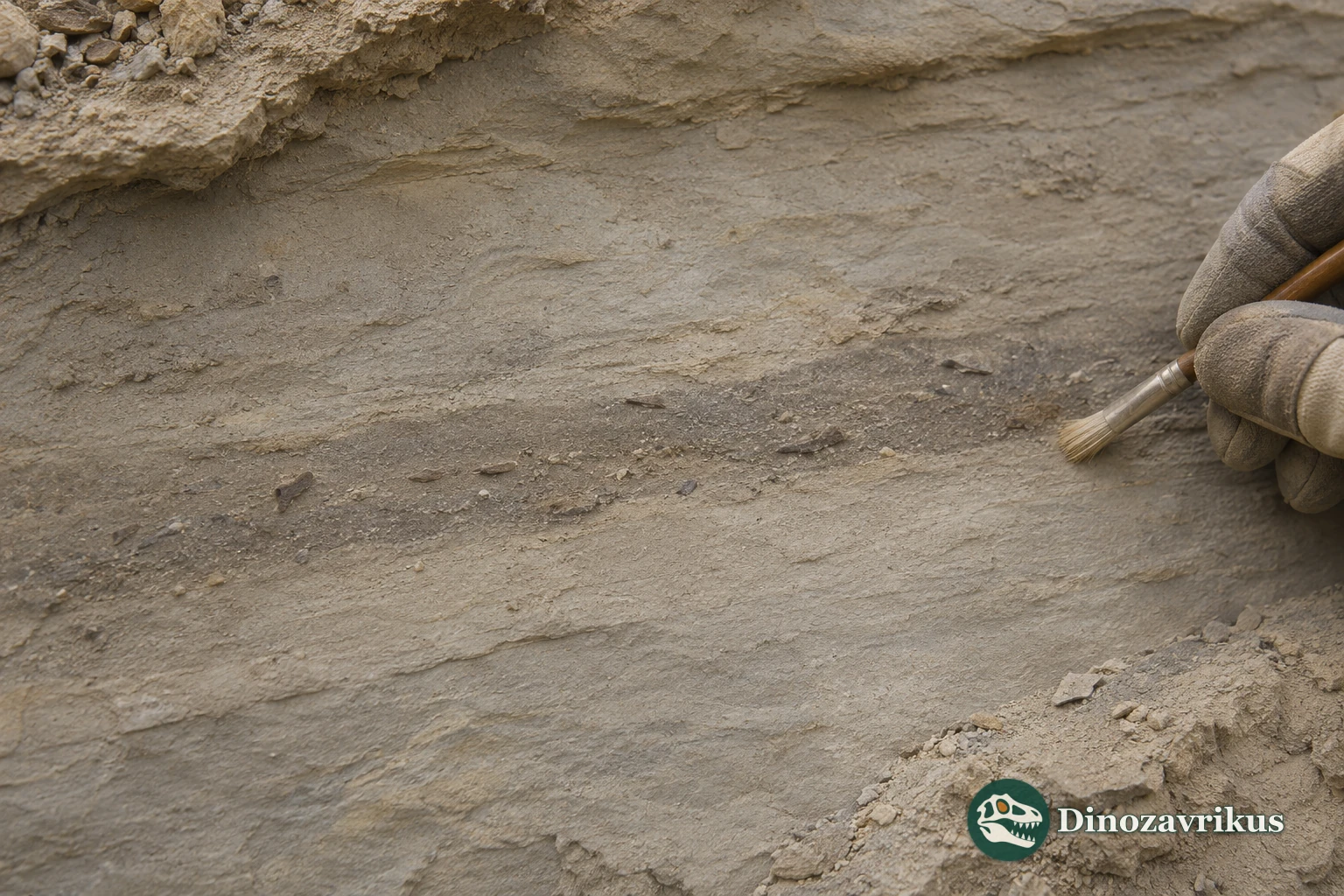
The fossils came from the Sharktooth Hill Bonebed in the Round Mountain Silt. The bone bed accumulated between about 15.9 and 15.2 million years ago. Bones and teeth of marine animals built up over a long interval. The layer dates the setting of the finds without preserving one moment in the life of Megalodytes.
Frequently asked questions
What is preserved in the holotype?
A 151.9 mm left shin bone with damage around its upper crests. Two thigh bones and part of a humerus were attributed to the species separately.
What indicates diving ability?
A relatively flat shin and its elongated inner crest prompted a comparison with diving waterfowl. The fossils do not show how deep the bird dived.
Is Megalodytes known from Japan?
A Japanese specimen was once assigned near the genus. Comparison with the Californian fossils led to its description as the distinct genus Annakacygna.
Could Megalodytes fly?
Flightlessness has been suggested from the humerus. The known wing fragment does not settle the question.