

Metasthenurus is an extinct Australian short-faced kangaroo genus represented by M. newtonae. The species was first placed in Simosthenurus; a later revision recognized a distinct combination of skull and dental traits. A name change here reflects a comparative anatomical argument rather than the discovery of a second living animal.
It belongs in the ice-age animal catalogue. Simosthenurus offers a useful comparison among the Pleistocene sthenurines.
Quick facts
| Group | Short-faced kangaroos, Sthenurinae |
|---|---|
| Known species | Metasthenurus newtonae |
| Age | Pleistocene |
| Type material | Skull and lower jaw from Green Waterhole Cave |
| Region | Southern and western Australia; Tasmania |
| Diet evidence | Tooth shape and dental wear support browsing |
What can the fossils tell us?
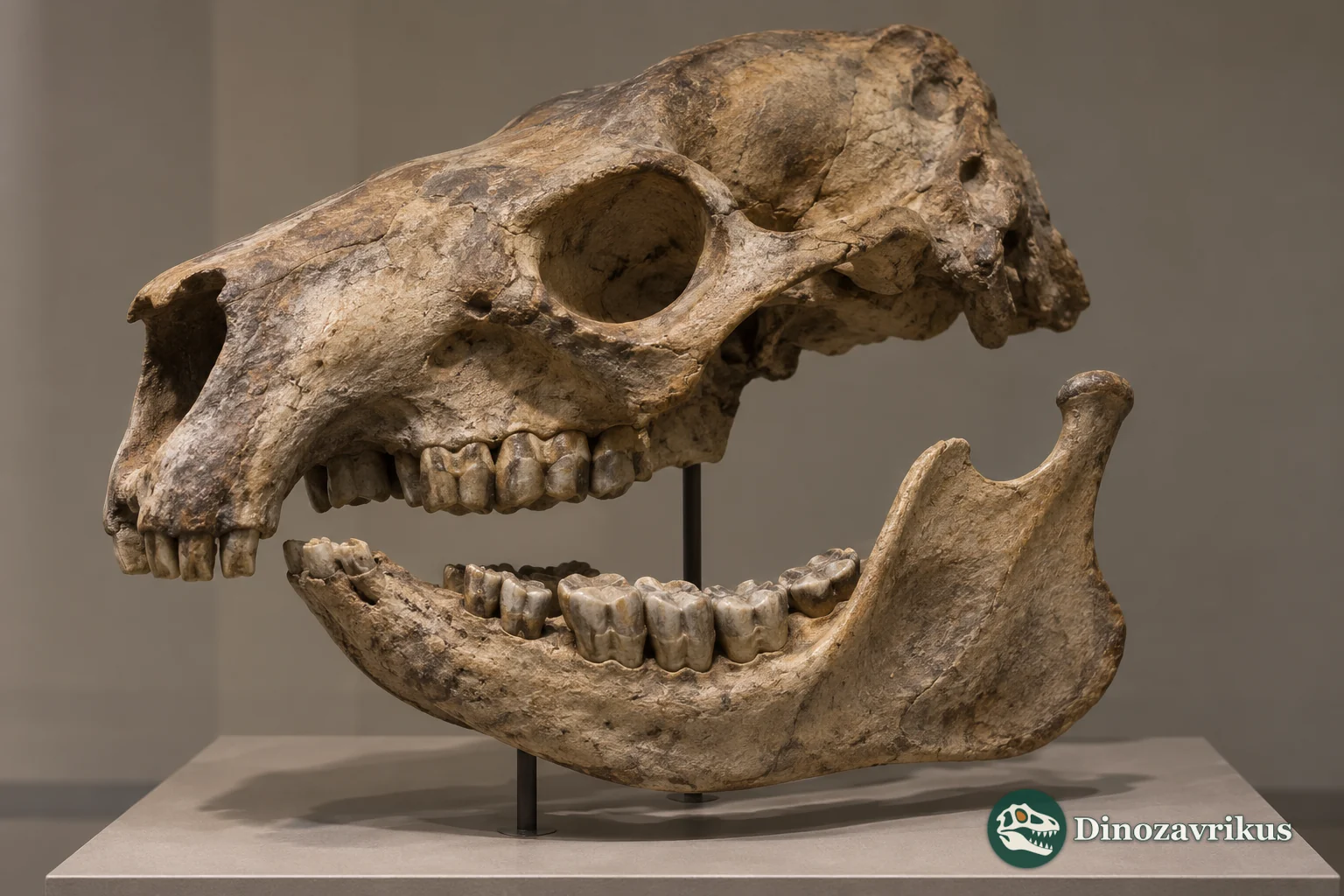
The associated skull and jaw from Green Waterhole Cave allow comparison with other short-faced kangaroos. Its placement apart from Simosthenurus is a taxonomic interpretation of those characters.
Kiana Cliff sediment was dated to about 126 ± 10 thousand years by luminescence. Three isolated molars from Scotchtown Cave document Tasmania, but should not all be assigned one precise age.
Dental microwear and molar morphology support plant feeding. Neither identifies the exact plant eaten by an individual or the season of feeding.
A skull that changed the classification
Gavin Prideaux originally described newtonae within Simosthenurus. In a later systematic revision he erected Metasthenurus for a combination of cranial proportions and tooth characters. The species honors Cate Newton, who studied Green Waterhole Cave fossils and recognized the unusual type specimen. The type comprises a skull and a lower jaw, not a lone tooth.
Measurements of multiple skulls and jaws help distinguish shared sthenurine features from those particular to M. newtonae. Further fossils may refine its relationships; the current genus is a reasoned classification based on preserved anatomy.
Sites and the limits of their dates
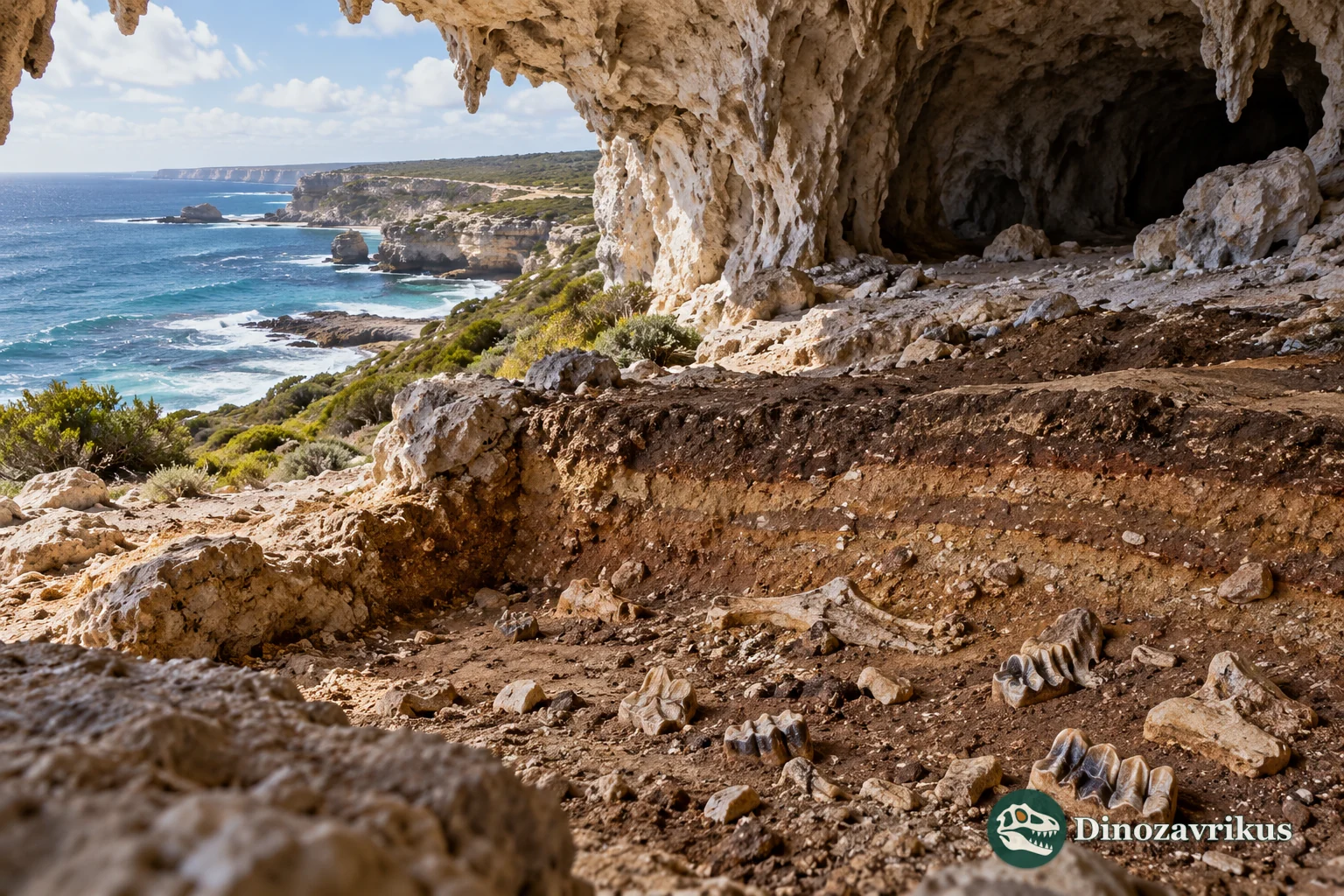
At Kiana Cliff on South Australia's Eyre Peninsula, researchers identified M. newtonae among six extinct sthenurines. Single-grain luminescence dating gave the fossil-bearing cave fill an age of about 126 ± 10 thousand years. That dates this deposit, not the first appearance of the genus.
In Tasmania, three isolated molars were identified at Scotchtown Cave. Other material at Mount Cripps lacks a secure direct date. The age of one occurrence cannot be transferred automatically to another tooth or to every member of the genus.
Food, movement and reconstruction
Robust molars and their microwear support a plant-based diet, probably including browse. Food grit can also affect a tooth's surface, so no study here provides a named menu of plant species for one animal.
Studies of larger short-faced kangaroos have debated how often they hopped or walked bipedally. Those group comparisons do not establish a speed or gait schedule for Metasthenurus itself. The cover shows one interpretive standing pose; its coat and behavior are artistic choices.
Frequently asked questions
Was Metasthenurus the same genus as Simosthenurus?
No. M. newtonae was first assigned there, then placed in Metasthenurus after comparative skull and dental work.
Where was its type specimen found?
The type skull and jaw come from Green Waterhole Cave in South Australia.
Can the Tasmanian teeth be given one exact date?
No. Three isolated molars document Scotchtown Cave, but their age must be assessed within their own depositional context.
What did Metasthenurus eat?
Tooth morphology and wear support plant feeding. The exact plants and feeding season are unknown.