

Nahannagnostus was a Cambrian agnostid whose type species is based on a tail shield. Two tiny heads from a Siberian borehole offer new points of comparison. Their assignment to the genus is tentative because the heads are preserved separately from the characteristic tail.
Quick facts
| Group | Agnostida |
|---|---|
| Geological age | Cambrian |
| Type species | Nahannagnostus nganasanicus |
| Genus established | Brian Pratt, 1992 |
| Type locality | Kuljumbe River, Siberian Platform |
| Material | Type pygidium and provisionally assigned cephala |
What can the fossils tell us?
The type tail shield comes from the Nganasan Horizon along the Kuljumbe River.
The figured shield is 2.2 mm long. The published identification carries a question mark.
Finding both shields joined would help establish which tail goes with the head form seen in the core.
The tail shield that defines the type species
A. V. Rosova described Pseudagnostus nganasanicus in 1964 from a pygidium from the Nganasan Horizon near the Kuljumbe River. Brian Pratt selected it as the type species of his new genus in 1992. The original combination under Pseudagnostus still appears in the earlier literature.
Two very small heads in a Siberian core
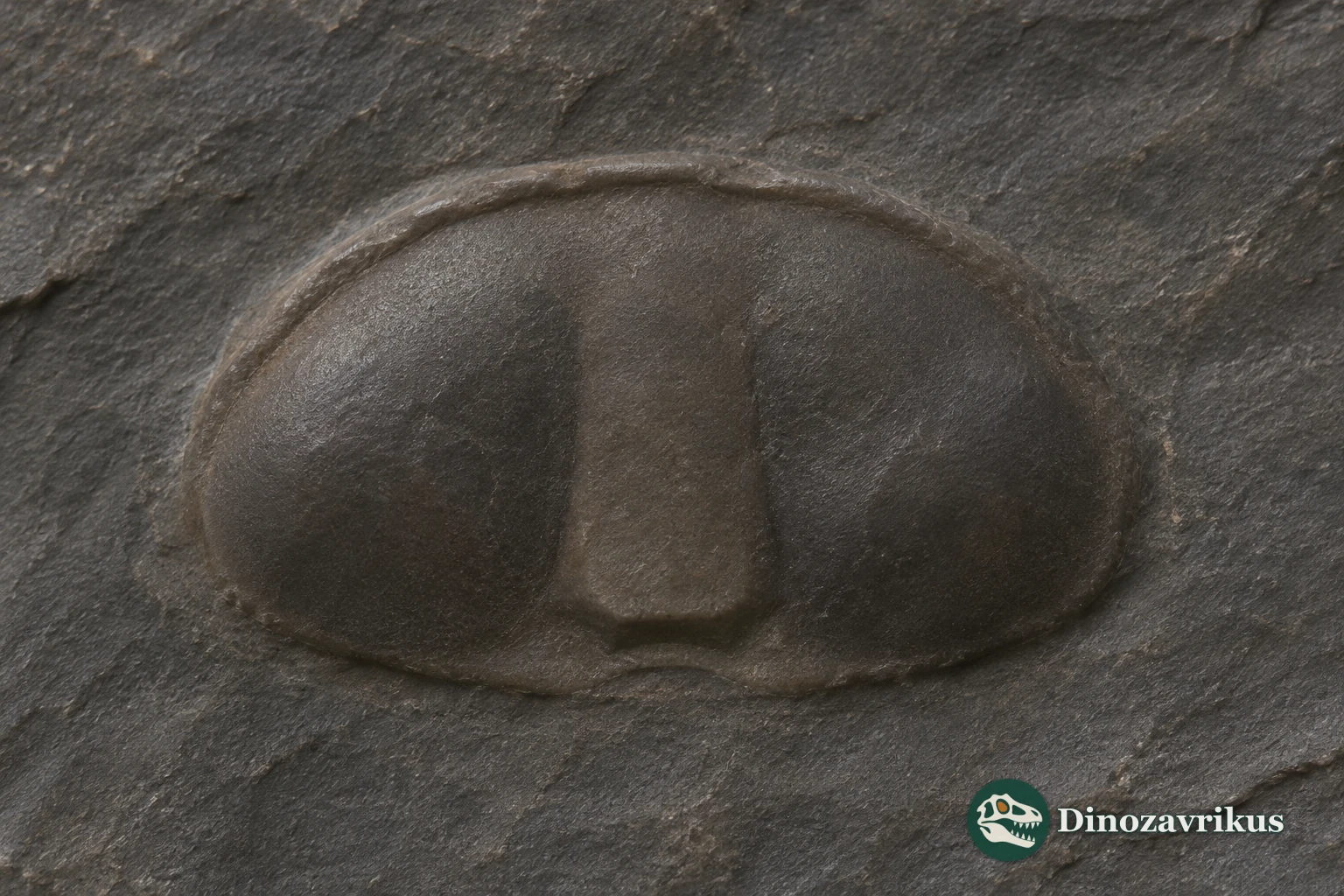
In 2025 researchers described two separate cephala from the Khantaysk-Sukhotungusskaya-1 borehole on the north-western Siberian Platform. The 817.2 m sample came from the upper part of the beds with Lejopyge. One figured specimen, 2122/27, measures 2.2 mm long.
The front of the raised central lobe is slightly angular. A short median furrow ends before reaching it. The workers regarded the features as compatible with Nahannagnostus, using a question mark after the genus and leaving the species open.
What the Canadian material adds
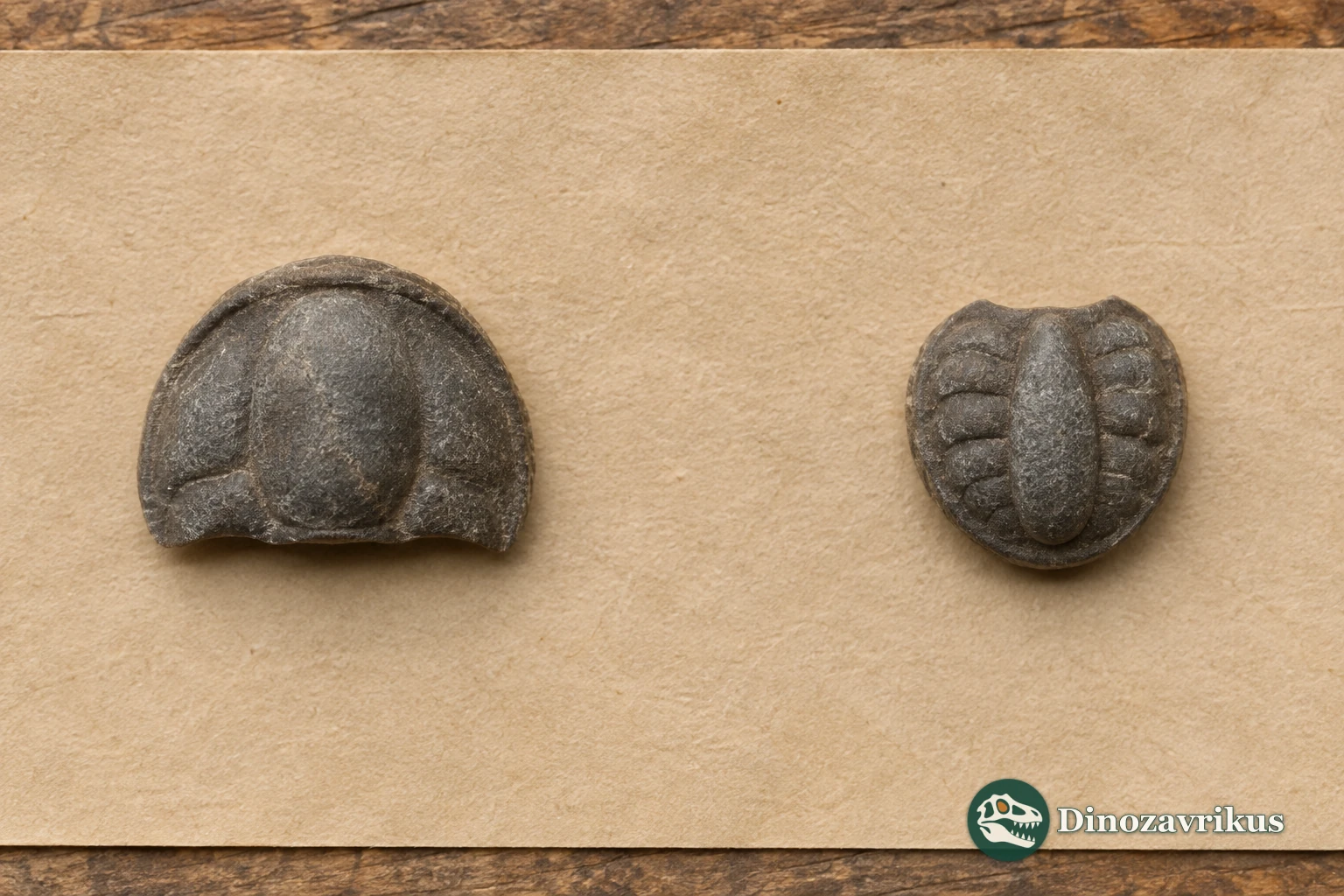
Canadian head shields used for comparison differ from the Siberian specimens. One revision treated the Canadian N. logani as a synonym of the type species, N. nganasanicus. The Siberian study was more cautious about equating material from the two regions based on detached shields.
An articulated specimen preserving both shields could show whether a head shaped like those in the core belongs with the type species' distinctive tail. The current specimens allow shape and furrows to be compared under a provisional identification.
Frequently asked questions
Where was the type tail shield found?
It comes from the Nganasan Horizon along the Kuljumbe River on the north-western Siberian Platform.
How long is the head shield figured from the core?
Specimen 2122/27 is 2.2 mm long.
What was the type species originally called?
It was described as Pseudagnostus nganasanicus and later became the type species of Nahannagnostus.
Why do the authors use a question mark for the Siberian heads?
Their features fit the comparison, but neither head is articulated with a tail shield.