

Nanowana was a small madtsoiid snake from Australia. Early Miocene deposits at Riversleigh preserve bones of two species that lived in the same region. In one species a few teeth are markedly enlarged, while the dimensions of the teeth in the other vary more gradually.
Quick facts
| Group | Snakes (Serpentes), madtsoiids (Madtsoiidae) |
|---|---|
| Age | Miocene, with both named species known from the early Miocene |
| Region | Australia, northwestern Queensland |
| Type species | Nanowana godthelpi |
| Scientific name | Nanowana |
| Diet | No direct evidence |
What can the fossils tell us?
The type species was named from bones found at Camel Sputum Site. The other species is based on a right palatine from Upper Site.
In N. schrenki, several teeth near the front of the lower jaw are much larger than their neighbours. Tooth size changes more gradually in the type species.
The teeth suggest different ways of holding prey. No specimen preserves a meal that would identify what Nanowana actually ate.
The type material
John Scanlon named the genus in 1997. The holotype of Nanowana godthelpi, QMF 31379, includes the paired maxillae, palatines and pterygoids of one snake, found at Camel Sputum Site. The other species, N. schrenki, is based on a right palatine from Upper Site on Godthelp Hill, QMF 31395. Jaw material from other Riversleigh sites, including Camel Sputum, was also referred to that species.
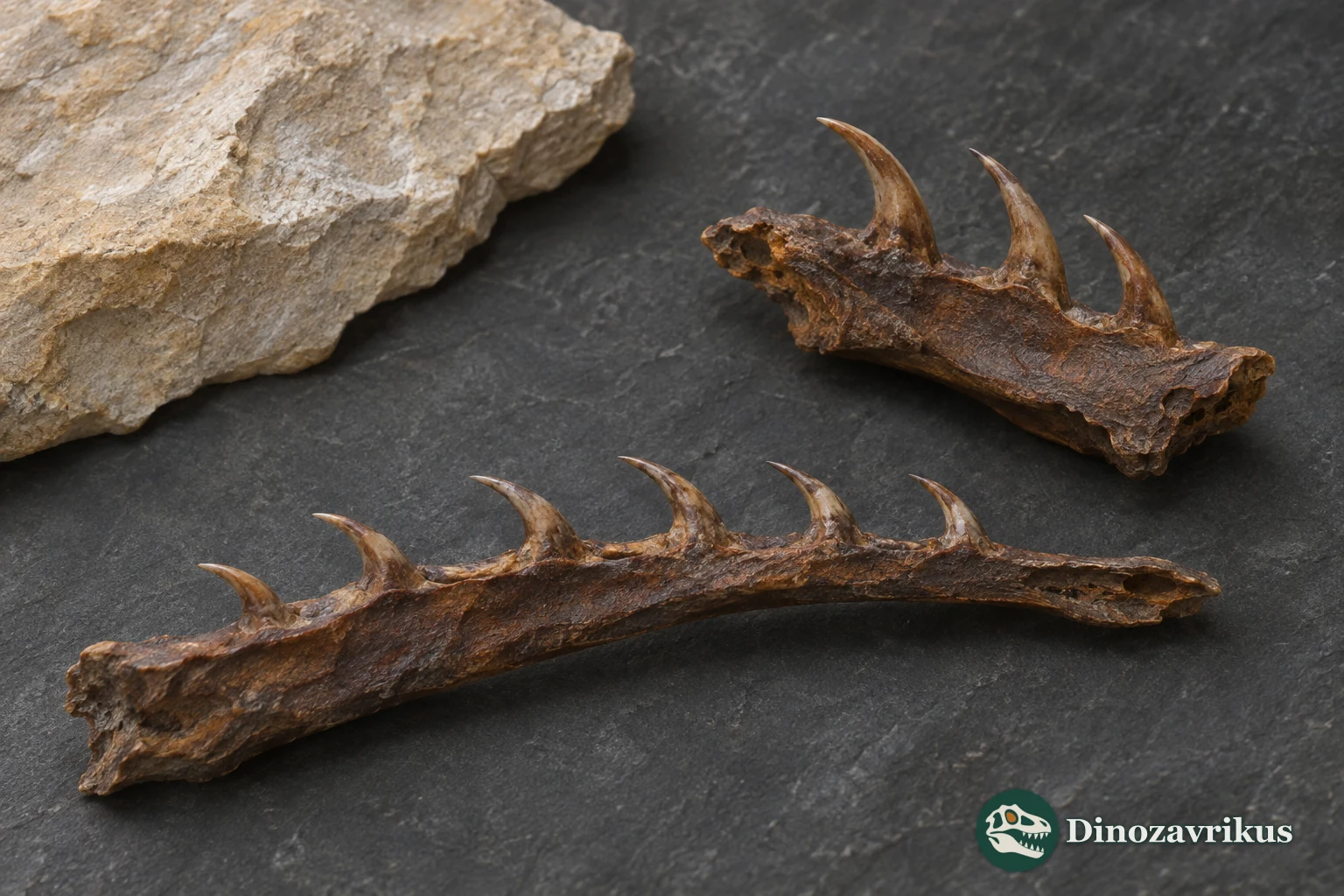
How the tooth rows differ
The maxillary tooth sockets of the type species differ little in size across most of the row. In N. schrenki, several teeth near the middle of the maxilla and nearer the front of the lower jaw are greatly enlarged. Some teeth in that species fuse to the edges of the sockets. Scanlon proposed that these differences affected how each snake caught and kept hold of prey.
An Australian madtsoiid
Australian madtsoiids varied widely in size. The larger Yurlunggur also occurs in the Miocene deposits of Riversleigh. Comparisons with living snakes suggest one possible diet for Nanowana was small lizards. Tooth shape alone cannot establish particular prey or show how often the two species hunted the same animals.
A younger occurrence at Encore
A set of associated vertebrae from the Encore locality was referred to Nanowana without a species name. Encore is often dated to the early late Miocene, although the age remains under discussion. The fossil represents a younger reported record of the genus and cannot extend the range of either named species on its own.
Frequently asked questions
How many species have been named?
Two. Both were named from early Miocene material at Riversleigh.
Which bones distinguish the species?
The jaws are particularly informative. The positions of the largest teeth and their attachments differ.
Were the large teeth venom fangs?
They have been interpreted in terms of grasping and holding prey. The material does not identify venom or a specialised delivery apparatus.
Did both snakes occur at one site?
Material of both species has been identified at Camel Sputum Site, showing that they occur in the same local fauna.