

Nectornis was long classified within a genus of living cormorants. Jacques Cheneval distinguished the fossil genus by comparing foot, wing and other bones from the Early Miocene of France. Its anatomy later helped researchers compare early cormorants from Europe and Australia.
Quick facts
| Family | Cormorants |
|---|---|
| Age of type species | Early Miocene, Aquitanian |
| Type locality | Saint-Gérand-le-Puy, France |
| Lectotype | MNHN Av 9416, right tarsometatarsus |
| Genus named by | Jacques Cheneval, 1984 |
| Type collection | National Museum of Natural History, Paris |
What can the fossils tell us?
The complete right tarsometatarsus MNHN Av 9416 was part of the original material. Cheneval later selected it as the lectotype. The other bones in the series were treated as separate elements.
The rounded bicipital crest of the type species is relatively short and ends abruptly at the shaft. It helps distinguish the animal from other cormorants, including the Turkish form.
One analysis placed Nectornis closer to living cormorants than Nambashag. This is a relationship inferred from the characters analysed, not evidence of direct descent.
The French fossils and the naming of Nectornis
Alphonse Milne-Edwards named the Early Miocene cormorant from Saint-Gérand-le-Puy Graculus miocaenus. In his 1984 revision, Cheneval placed it in Nectornis, a name formed from Greek words for swimmer and bird.
Cheneval selected a complete right tarsometatarsus, MNHN Av 9416, from Milne-Edwards’s specimens as the lectotype. The other type material includes a sternum, wishbone, coracoid, scapula, ulna, pelvis and femur. These isolated bones represent several parts of the skeleton.
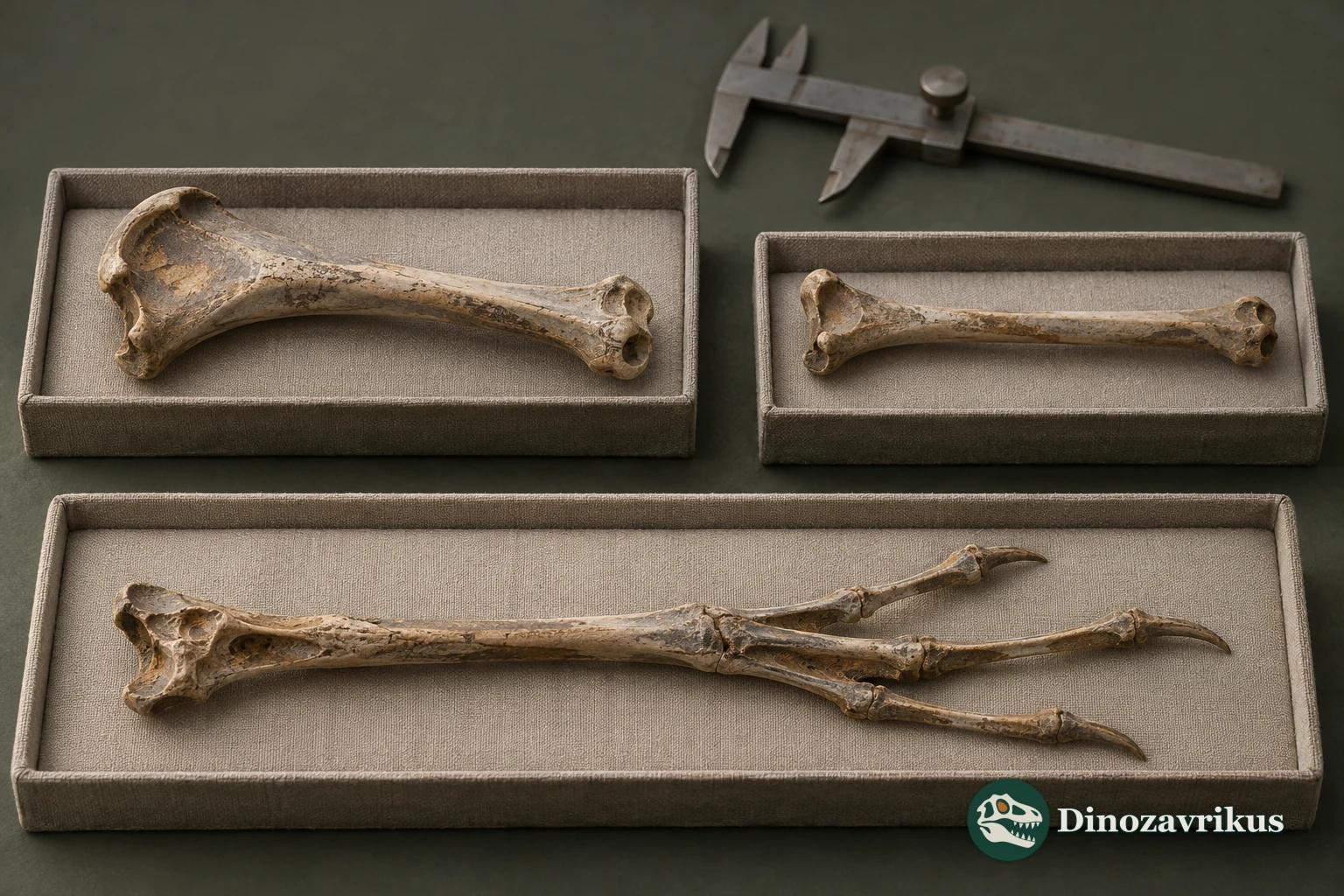
Shoulder, wing and leg
The upper wing bone has a short, rounded bicipital crest that joins the shaft abruptly. The coracoid has a conspicuous projection called the procoracoid process. A slender thigh bone and the joint surfaces of the shin add further details for comparing the fossil with other cormorants.
Complete ulnae in the comparative material measure roughly 90–102 mm long. That is an estimate of bone size, and the body length and wingspan are uncertain. In Trevor Worthy’s analysis, the Australian Nambashag branched outside the group containing Nectornis and living cormorants.
European and Turkish material
The type species is known from the Early Miocene of France, Germany and Czechia. At Saint-Gérand-le-Puy the bones occur with other waterbirds in lake deposits. The setting gives context for the fossils without establishing the diet of Nectornis.
The form named anatolicus from a Miocene lake at Beş-Konak in Turkey was originally described in Phalacrocorax and later transferred to Nectornis. A conspicuous process on the coracoid links it with the French material, while its proportionally longer bicipital crest makes the identification worth qualifying.

Frequently asked questions
What is the lectotype of Nectornis?
It is a complete right tarsometatarsus from Saint-Gérand-le-Puy, MNHN Av 9416, selected from Milne-Edwards’s original material.
Why was it separated from living cormorants?
Distinctive features include a short, rounded crest on the humerus and a prominent process on the coracoid. Other bones extend the comparison.
Where has the type species been found?
The main series comes from France. Early Miocene material has also been referred to the species in Germany and Czechia.
What is the link with the Turkish fossils?
The species anatolicus was transferred to the genus based on several similarities. The upper wing bone differs in the length of its crest.