

Paleosula stocktoni was a large member of the gannet and booby family in Miocene California. A partially preserved skeleton from Lomita documents the wing and chest. A second locality yielded a robust upper wing bone that prompted a closer look at how this bird should be classified.
Quick facts
| Species | Paleosula stocktoni |
|---|---|
| Family | Sulidae |
| Age | Miocene |
| Type locality | Near Lomita, California, USA |
| Holotype | UCMP 321059 |
| Referred specimen | LACM 2533, humerus |
| Referred humerus | 222 mm preserved |
What can the fossils tell us?
The type preserves wing bones, a sternum and a coracoid. These provide several points of comparison, although overlapping bones obscure the full extent of the humerus.
The humeral head projects beyond the internal tuberosity. The far end of the bone has broken away, so the preserved length of 222 mm underestimates the original length.
Howard erected Paleosula based on wing and chest features. Later Pacific seabird studies have placed the same fossil species in Morus. The family identification is shared.
Two finds in Los Angeles County
Loye Holmes Miller described the Lomita specimen as Sula stocktoni in 1935. Its matrix is Valmonte diatomite. The University of California Museum of Paleontology holds the type, UCMP 321059, which preserves wing elements, a sternum and a coracoid.
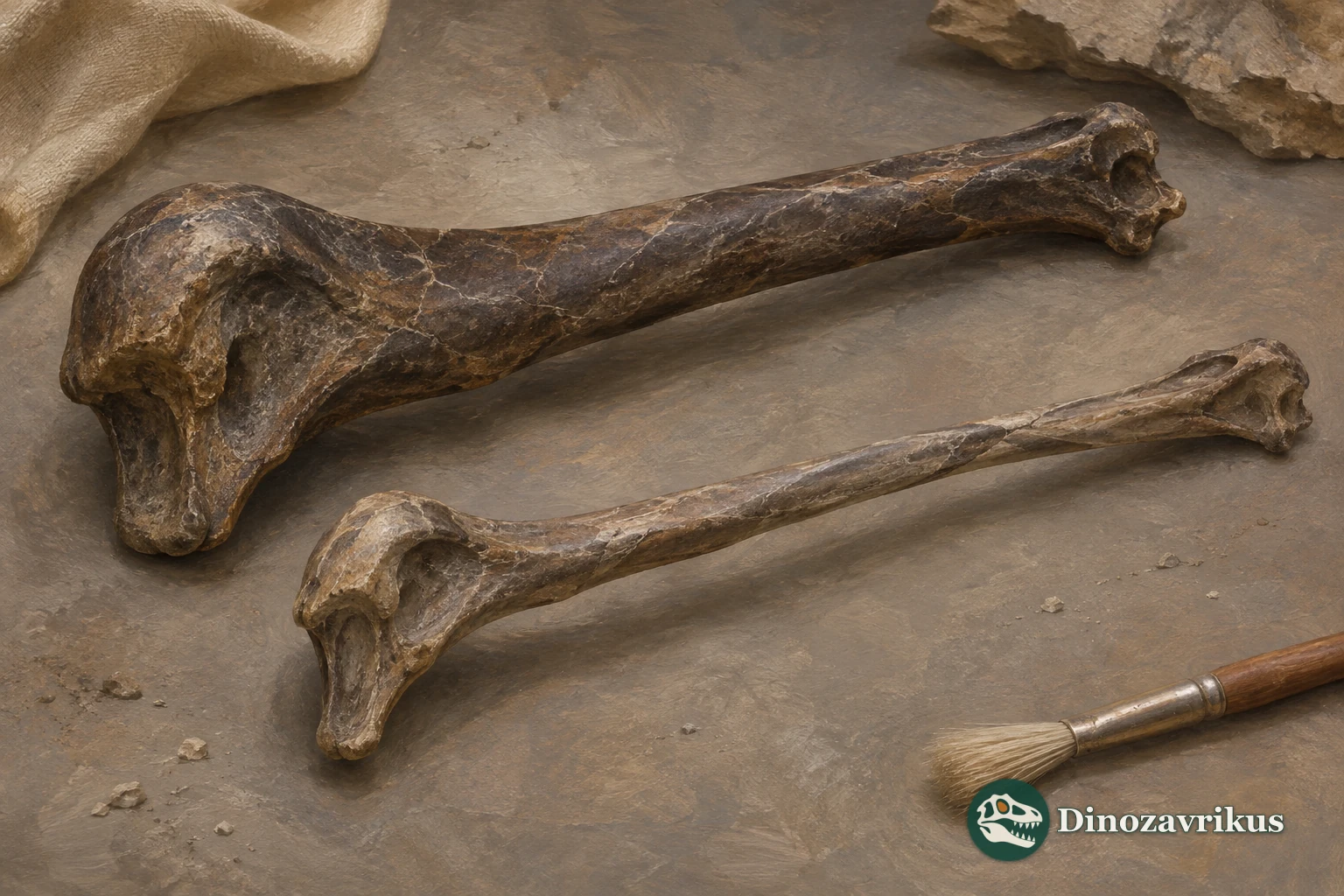
Eugene Robkin and Harry Ralph Wilbur donated a second specimen in 1954. They had found the upper wing bone in a piece of shale that had come away from an outcrop at El Sereno. Hildegarde Howard referred the fossil, LACM 2533, to Miller’s species. The preserved portion measures 222 mm and lacks the distal joint.
What Howard saw in the wing
Howard established the genus Paleosula in 1958. The heavy head of the humerus projects above the internal tuberosity, and the shaft is flattened from side to side just below the head. Crushing may account for part of that flattening. The type specimen shows a similar outline where the humerus is exposed. In Howard’s comparisons, the same features are less pronounced in Miosula.
The maximum measurement of the type humerus in its slab is about 264 mm. That is not an exact bone length because the bone is broken and partly covered. Several later accounts of Pacific sulids use Morus stocktoni for the species. The name Paleosula identifies Howard’s genus and the anatomical reasons for separating it.
The sea around Miocene California
The Valmonte Diatomite is part of the Monterey Formation and accumulated in a marine setting. It preserves the siliceous remains of diatoms. The sediments and the skeleton both place this bird in a marine setting, but they give no species-level record of its prey. The cover uses comparisons with living sulids to suggest how it may have looked in flight.

Frequently asked questions
Why does the name Morus stocktoni appear in some papers?
Those studies place Miller’s species in the living gannet genus Morus. Paleosula was the genus Howard proposed for the same fossil species.
How long was the El Sereno bone?
A length of 222 mm survives. The lower joint is missing, so the complete bone was longer.
Can the wingspan be estimated directly?
The measurements refer to individual bones, some incomplete. They give no direct measurement of the feathered wingspan.
Was it a plunge-diver?
Diving is a plausible analogy with living sulids. The fossils do not record its hunting technique.