

Paraortyx was a stem galliform from Paleogene Europe. Claude Gaillard named the genus from bones recovered from the phosphate-bearing deposits of Quercy, France. Fossils from the Boom Formation of Belgium show that at least one species also lived in the early Oligocene.
Quick facts
| Group | Galliformes (Paraortygidae) |
|---|---|
| Age | Late Eocene and early Oligocene |
| Region | Europe (France and Belgium) |
| Diet | No direct evidence |
| Type species | Paraortyx lorteti |
| Type specimen | Humerus, former Munich number 65, preserved as cast PQ 1083 |
| Second named species | Paraortyx brancoi |
| Type locality | Escamps, Quercy fissure deposits, France |
What can the fossils tell us?
The specimen lacks the transverse ridge near the head incision seen in living galliforms. The position and depth of neighbouring depressions provide further points for comparison.
A coracoid, part of a sternum and the proximal end of an ulna were assigned to Paraortyx brancoi. These preserve part of the flight apparatus.
The original type of Paraortyx lorteti is recorded as lost. The cast kept in Lyon retains its outer shape for comparison.
Two species from the Quercy phosphorites
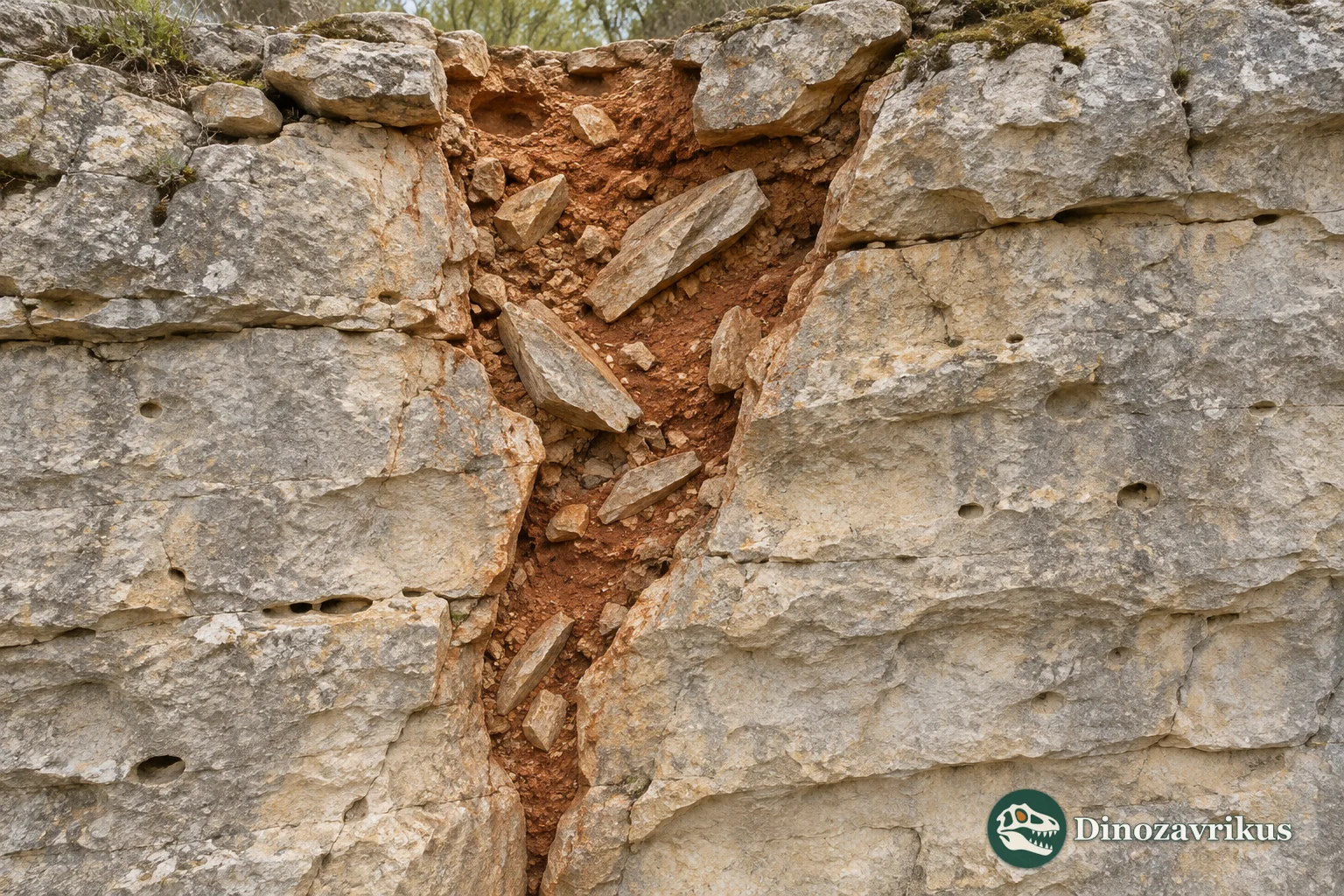
Claude Gaillard named Paraortyx in 1908 from isolated bones. The late Eocene humerus from Escamps anchors the type species Paraortyx lorteti. The Bavarian State Collection records the original as lost. A cast, PQ 1083, survives in Lyon. Gaillard based Paraortyx brancoi on wing and foot bones. Referred French material comes from localities including Mouillac.
In paraortygids, the upper part of the humerus lacks a ridge characteristic of living galliforms. An excavated socket for the shoulder blade on the coracoid also helps distinguish these early birds. Analyses have used different bones to assess other extinct branches associated with galliforms, including the far younger Sylviornis.
Early Oligocene material from Belgium
Gerald Mayr and Thierry Smith assigned a coracoid, part of a sternum and an ulna fragment from Steendorp to Paraortyx brancoi. The coracoid of specimen IRSNB Av 116a–c closely matches material from Quercy. The authors placed the relevant Boom Formation beds between about 31.5 and 30.5 million years ago.
The upper end of a right humerus from Niel-Boom, IRSNB Av 115, resembles the French Paraortyx lorteti material in size and shape. Its prominent second depression lies near the head of the bone. The incomplete specimen was referred to this species tentatively. Its age comes from the deposit, whereas its name depends on the anatomical comparison.
Frequently asked questions
Which family includes Paraortyx?
It is the namesake of the extinct family Paraortygidae, an early branch outside the crown group of living galliforms.
Where did these birds live?
Secure records come from Europe. The French and Belgian finds document the genus on both sides of the Eocene and Oligocene boundary.
Are its bill and plumage known?
The genus is known mainly from bones of the wings and shoulder. These provide little information about the bill or plumage.
What did Paraortyx eat?
Direct evidence of its diet is unavailable. The shape of the wing bones cannot resolve what it ate.