

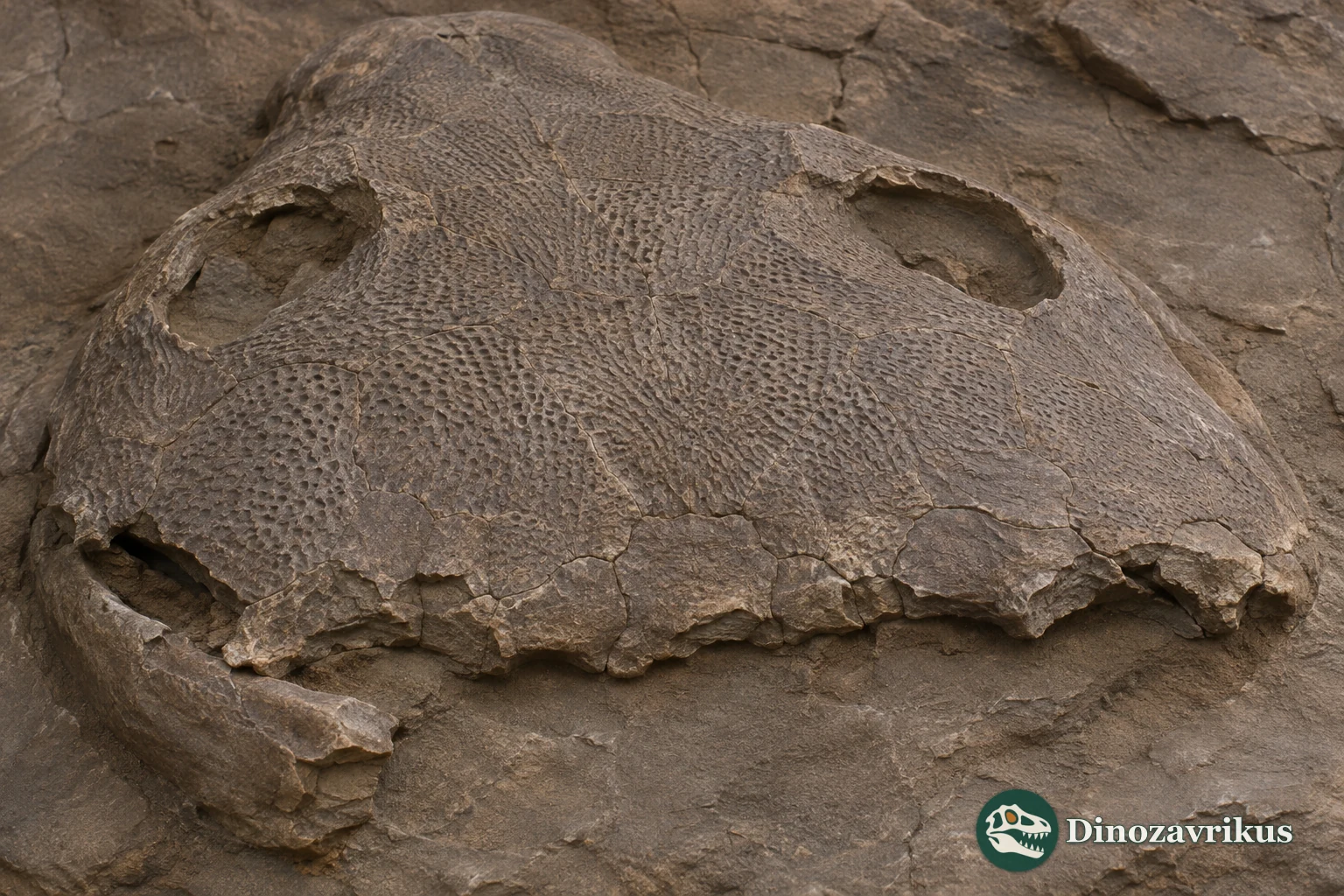
Pelorocephalus was a Late Triassic temnospondyl from Argentina. The underside and rear of its broad, low skull contain some of the most useful features for identification. The shape of the palate, the openings in the lower jaw and the position of the joints at the back of the skull help separate specimens from Mendoza.
Quick facts
| Group | Temnospondyls, chigutisaurids |
|---|---|
| Age | Late Triassic |
| Region | South America, Mendoza Province, Argentina |
| Type species | Pelorocephalus mendozensis |
| Scientific name | Pelorocephalus |
| Diet | Exact prey is unknown |
What can the fossils tell us?
The holotype preserves part of the palate, a separated lower jaw, fragments of vertebrae and ribs, and part of the right upper arm bone.
Jaw and palate shared features that linked specimens to one genus, while differences at the rear of their skulls distinguished three species in the 1999 revision.
The type specimen named P. ischigualastensis from the Ischigualasto Formation lacks the features needed to identify it securely at genus and species level.
A specimen from Potrerillos
Ángel Cabrera named the type species in 1944. Its holotype, MLP 44-VII-5-1, is in the Museo de La Plata. It came from Quebrada de La Mina on the south side of Cerro Bayo, near Potrerillos in Mendoza. Later preparation exposed features of the jaw and palate that Claudia Marsicano described in greater detail in 1990.
The floor and rear of the skull
A long keel runs along a process of the parasphenoid, one of the bones at the base of the skull. An opening in the lower jaw crosses the boundary between two bones. In the type species, the joints that connect the skull to the vertebral column project well behind the level of the quadrates, the bones that articulate with the lower jaw. This position helps distinguish it from other species.
Sorting out the named species
The 1999 revision treated Chigutisaurus tunuyanensis as a synonym of the type species, Pelorocephalus mendozensis. Two other species originally described in Chigutisaurus, C. tenax and C. cacheutensis, were transferred to Pelorocephalus. A study of brachyopoid relationships left the fragmentary material named P. ischigualastensis without a secure genus or species assignment. Other members of the chigutisaurid family included Siderops from the Jurassic of Australia.
An amphibian in the Cuyo Basin
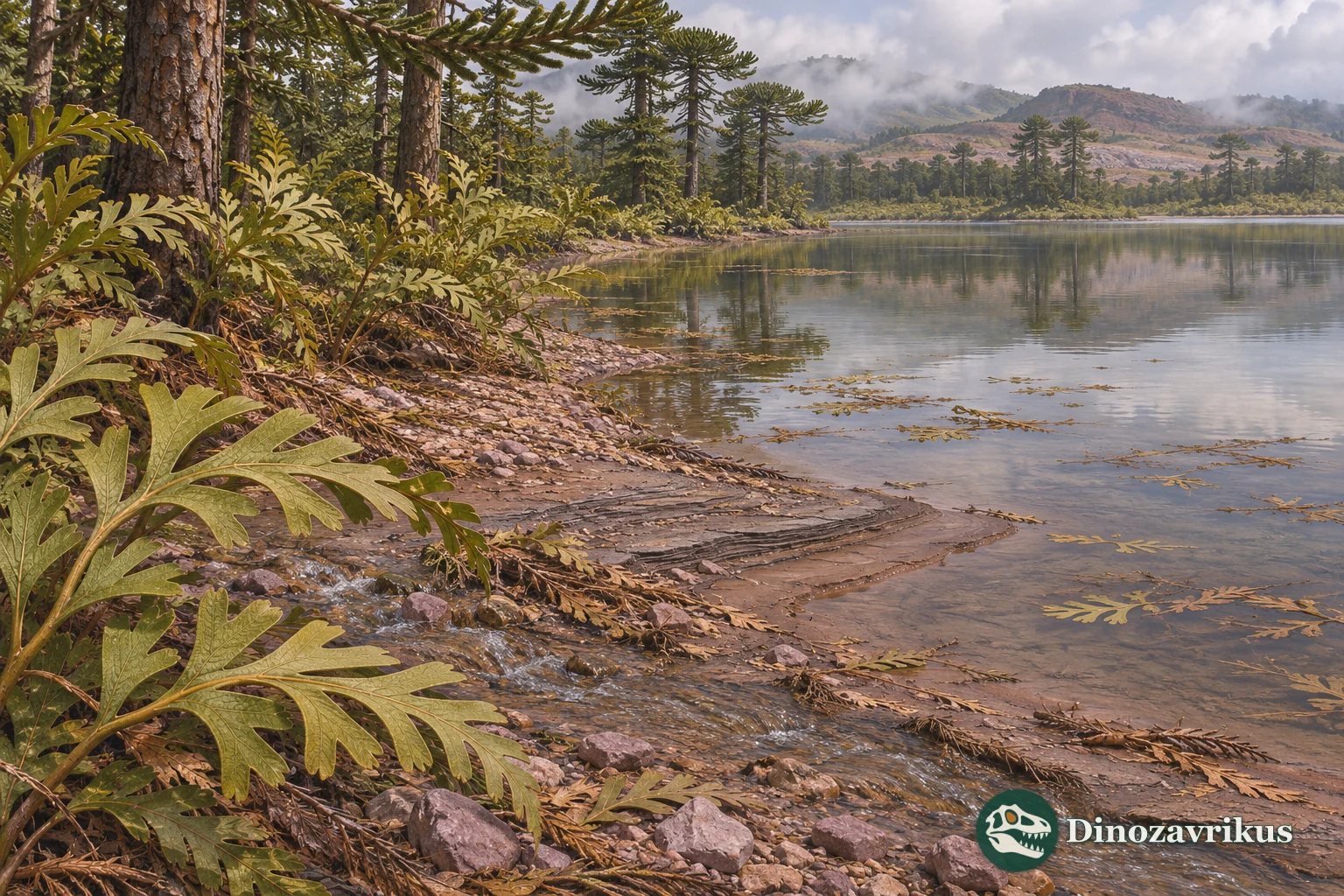
Plant assemblages in the Cacheuta Formation support a Late Triassic age. The form of the head is consistent with an aquatic chigutisaurid. The palate and jaws carried teeth that could grip prey. These structures do not reveal which animals made up its diet.
Frequently asked questions
Where did the type specimen come from?
It was found near Potrerillos in Mendoza, Argentina, in the Late Triassic Cacheuta Formation.
What is preserved in the holotype?
Part of the palate, the lower jaw and fragments of vertebrae, ribs and the right upper arm bone.
How many species were recognized from Mendoza?
The 1999 revision recognized three: the type species and two that were originally named as species of Chigutisaurus.
What did Pelorocephalus eat?
Its teeth could grip prey, but no direct evidence identifies which prey it consumed.