

Plagiorophus is one of the names used for a pair of Middle Triassic plagiosaurid species from Bashkortostan in the southern Ural foreland. Both species were described from partial skulls. Revisions agree on their broader relationships and differ on whether to place the two species in Plagiosternum.
Quick facts
| Group | Temnospondyls, plagiosaurids (Plagiosauridae) |
|---|---|
| Age | Middle Triassic, Anisian and Ladinian |
| Region | Europe, southern Ural foreland (Russia) |
| Type species | Plagiorophus paraboliceps |
| Scientific name | Plagiorophus |
| Diet | Exact prey is unknown |
What can the fossils tell us?
PIN 415/5 comes from the Donguz Horizon. PIN 2867/17 was found in the younger Bukobay Horizon.
Comparisons place the specimens among plagiosaurids. Analyses that retain Plagiorophus as a distinct genus place it close to Plagiosternum.
The preserved bones give evidence about the joint between skull and lower jaw. Overall body proportions remain uncertain.
Two horizons at Koltaevo
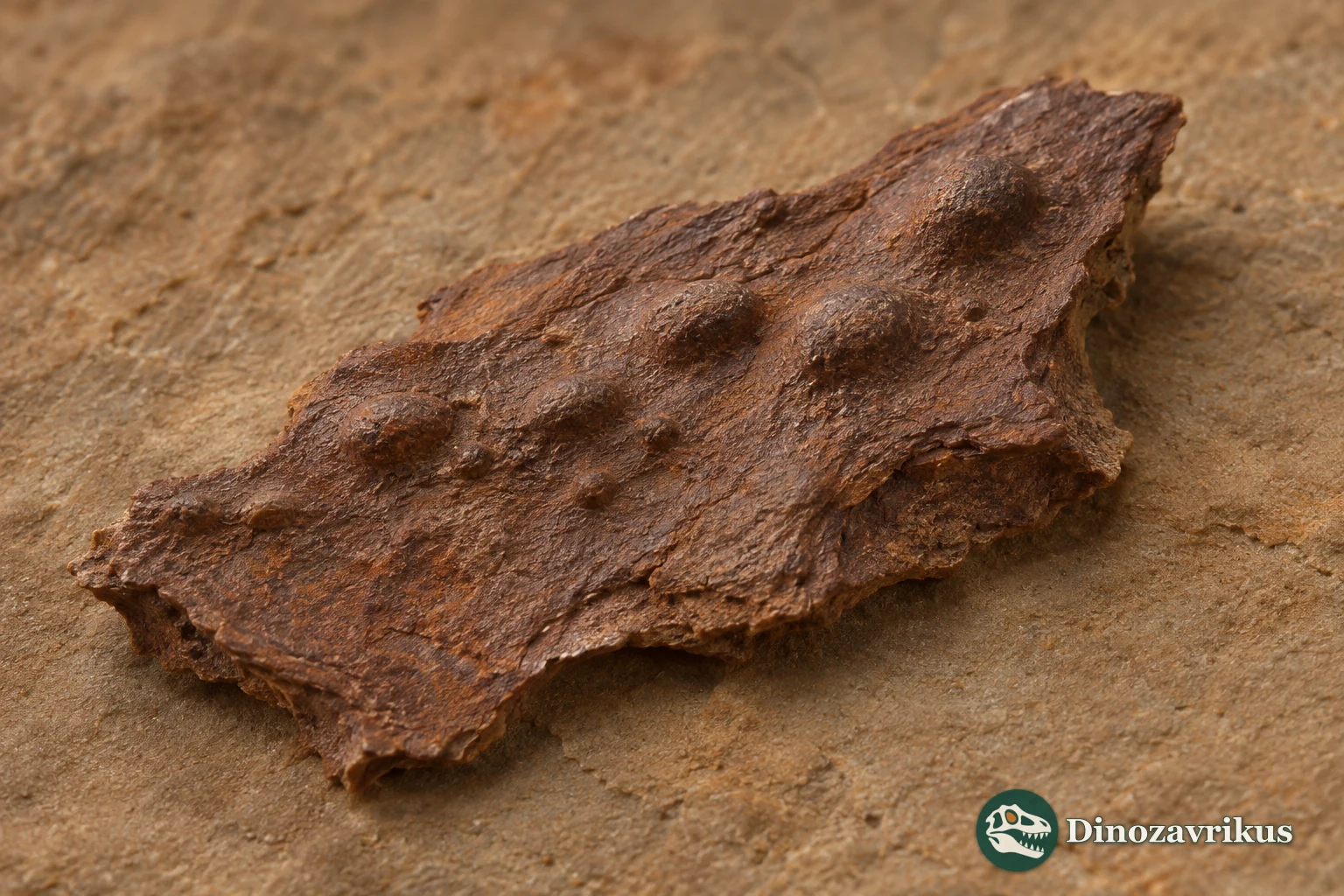
Elena Konzhukova described Plagiorophus paraboliceps in 1955 from PIN 415/5, a partial skull from Koltaevo I. It preserves bones around the jaw joint. The fossil is assigned to the Donguz Horizon of the Anisian stage. Mikhail Shishkin described the second species, now also called P. danilovi, from PIN 2867/17 at Koltaevo III. That incomplete skull comes from the Ladinian Bukobay Horizon.
Why the fossils have two names
Konzhukova initially placed the fossil among brachyopids. Later comparisons placed it among plagiosaurids. The 2023 catalogue of Russian Triassic tetrapods lists both species under Plagiosternum. Comparative papers from 2024 and 2025 recognize Plagiorophus separately within the same family. More complete skulls of German Plagiosternum show the structures that can be compared with individual pieces from the Russian sites.
Frequently asked questions
Where were the fossils found?
The two type specimens came from sites near Koltaevo in Bashkortostan, in the southern Ural foreland.
Which specimen is the basis of the type species?
PIN 415/5, part of a skull from Koltaevo I, is the holotype of Plagiorophus paraboliceps.
Which species is known from the younger rocks?
Plagiorophus danilovi is from the Bukobay Horizon of the Ladinian stage.
Why do some authors use Plagiosternum?
Some classifications include the Russian species in Plagiosternum. Others retain Plagiorophus as a closely related genus.