

Protostega was a Late Cretaceous sea turtle with long flippers and a reduced bony shell. The Kansas type preserves much of its skeleton. Isolated bones later extended its record to Russia, while thin sections of limb bones supplied evidence of how it reached large size.
Quick facts
| Group | Turtles, Protostegidae |
|---|---|
| Age | Late Cretaceous, Coniacian to Campanian |
| Region | North America: USA and Canada. Europe: Saratov, western Russia |
| Type species | Protostega gigas |
| Holotype | AMNH 1503, partial skeleton |
| Scientific name | Protostega |
| Diet | No direct evidence |
What can the fossils tell us?
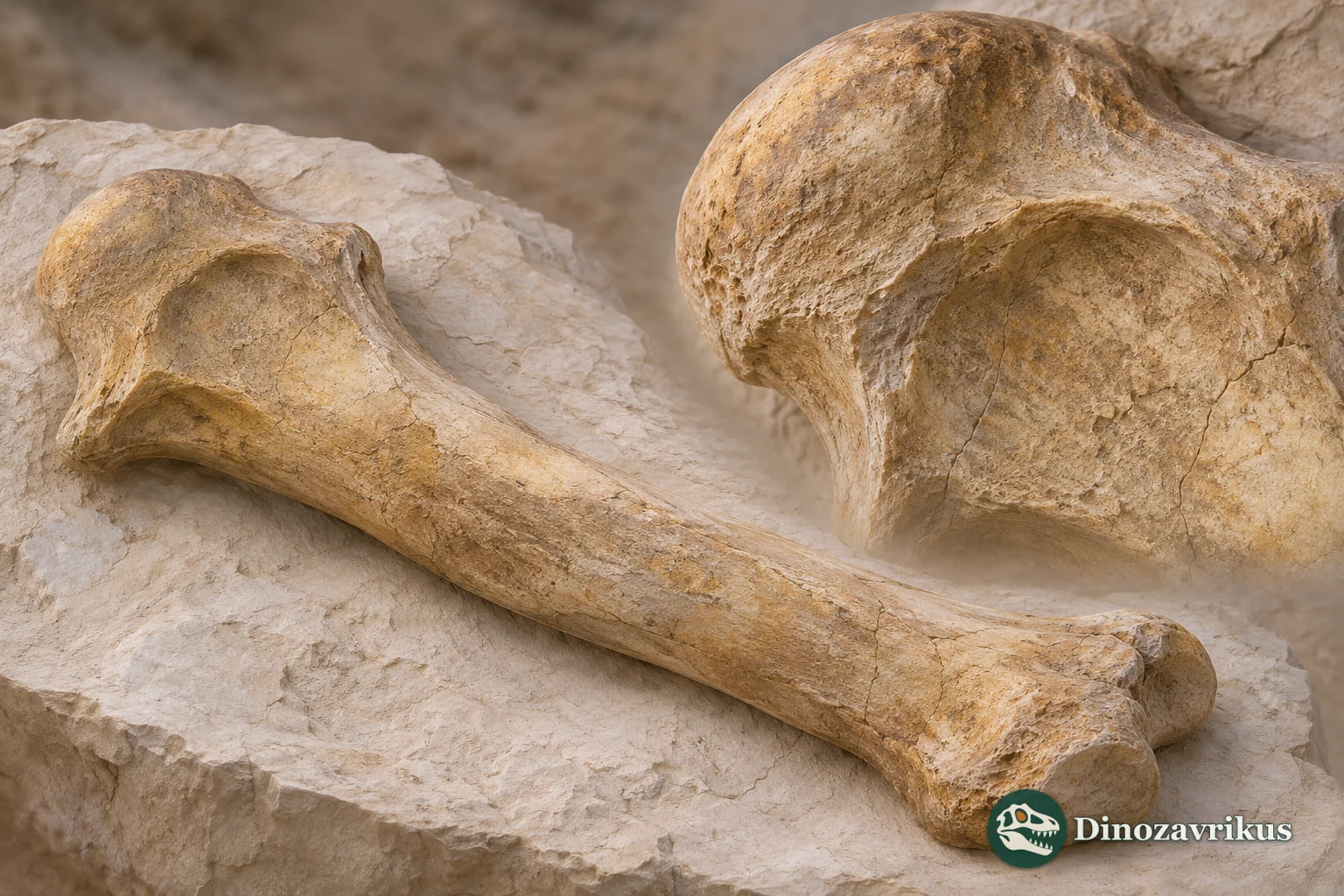
AMNH 1503 preserves both humeri and some digits. Their shape helps test the identification of isolated limb bones.
Microscopic features of long bones indicate rapid growth. Comparisons with modern leatherbacks concern growth patterns and do not resolve their evolutionary relationship.
Two Alabama fossils bear tooth damage attributed to a shark. The marks alone cannot distinguish an attack on a living turtle from feeding on a carcass.
The Kansas skeleton
Edward Drinker Cope collected the type in 1871 near Butte Creek, south of Wallace. AMNH 1503 preserves portions of the skull, backbone and shell, both humeri, bones from the shoulder girdle and some of the digits.
The forelimbs formed long paddles. The bony shell was reduced, and details of the humerus distinguish Protostega from its larger relative Archelon. Those features are useful when only part of a turtle is preserved.
Isolated bones from Russia
A study of material from the Campanian Rybushka Formation at Beloe Ozero, Saratov Province, referred skull, shell and limb bones to P. gigas. The size and form of the fragments indicate large individuals. One set of larger skull bones suggests a total skull length of about 60 centimetres. A smaller jaw fragment gave a comparable estimate of about 40 centimetres. These figures come from reconstructed proportions.
A fast grower in seas with sharks
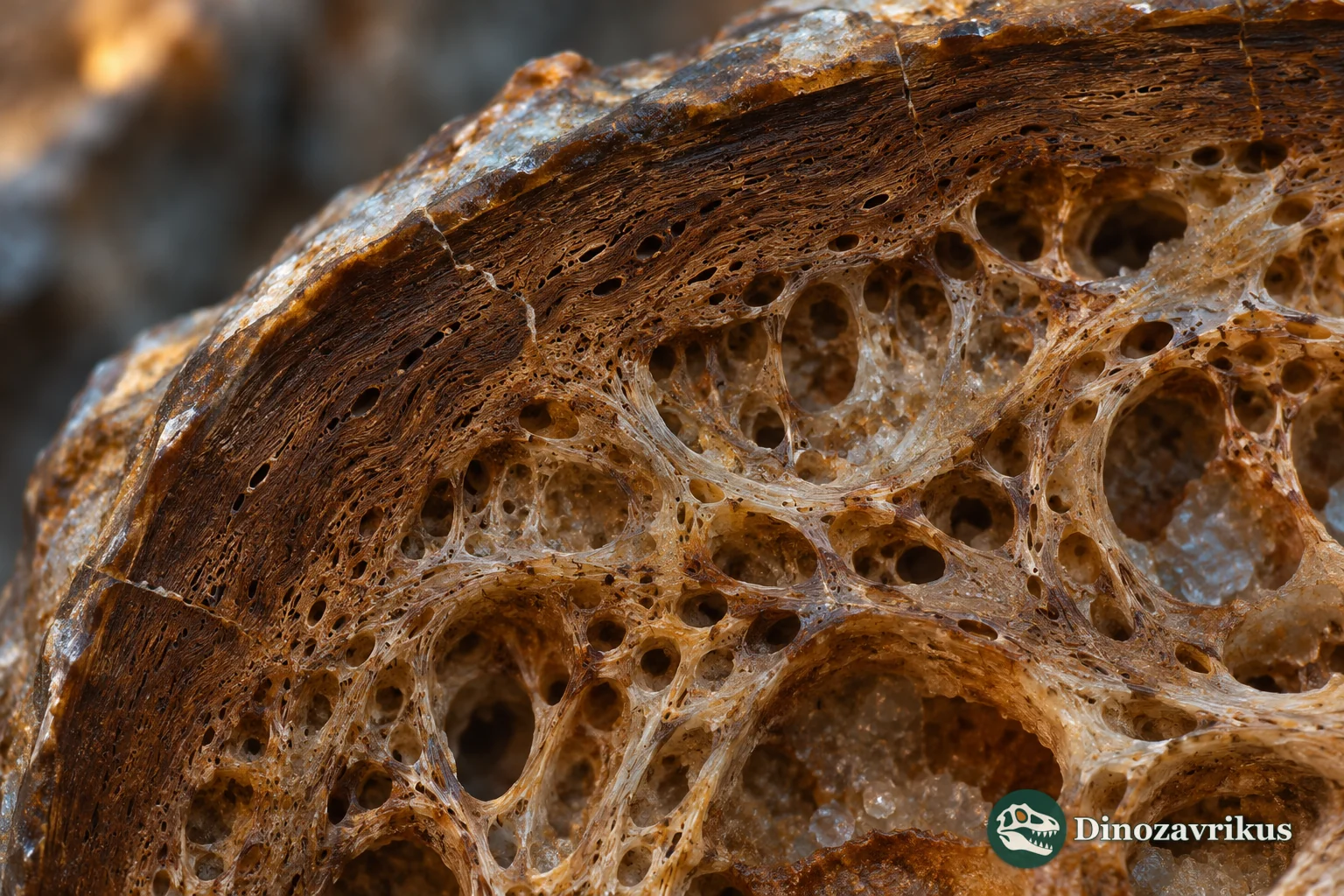
Thin sections of Protostega limb bones revealed tissue consistent with rapid growth. Several features resemble those of the living leatherback. The sections record growth in the sampled bones and leave the species’ typical lifespan unresolved.
Two fossils from the Mooreville Chalk of Alabama bear damage attributed to sharks. The traces were compared with the teeth of Cretoxyrhina mantelli. They document feeding contact, with the distinction between predation and scavenging harder to resolve.
Frequently asked questions
Where was Protostega first found?
The type skeleton came from the Niobrara Formation near Butte Creek in western Kansas.
Has Protostega been identified in Russia?
Yes. Isolated bones from the Campanian Rybushka Formation near Beloe Ozero were referred to Protostega gigas.
How did researchers infer rapid growth?
They compared the microscopic tissue of its limb bones with tissue from other fossil and living turtles.
Do the tooth marks show a shark attack?
They indicate contact with a shark’s teeth. They do not establish whether the turtle was alive at the time.