

Tatrasuchus was a Middle Triassic temnospondyl. Its Polish species is based on a skull from a ravine in the Western Tatras. The German species is known from several localities in Württemberg. Both had flattened skulls with almost enclosed notches near the back corners.
Quick facts
| Group | Temnospondyls, capitosauroids |
|---|---|
| Age | Middle Triassic |
| Region | Europe: Poland and Germany |
| Type species | Tatrasuchus kulczyckii |
| Scientific name | Tatrasuchus |
| Diet | Unconfirmed |
What can the fossils tell us?
The type specimen comes from the Western Tatras. The other species is represented at several localities in Württemberg.
The latest revision includes the German species in Tatrasuchus. Researchers compare the palate and snout as well as the rear margin of the skull.
Bones establish the approximate outline of the head. The skin colour and markings in the reconstruction are artistic choices.
A skull from the Western Tatras
Teresa Maryańska and Mikhail Shishkin named Tatrasuchus kulczyckii in 1996. Its skull and lower jaw came from the Partnach Beds in the Wielkie Koryciska ravine near Zakopane. Marine invertebrates and conodonts date the local rocks close to the Anisian–Ladinian boundary in the Middle Triassic.
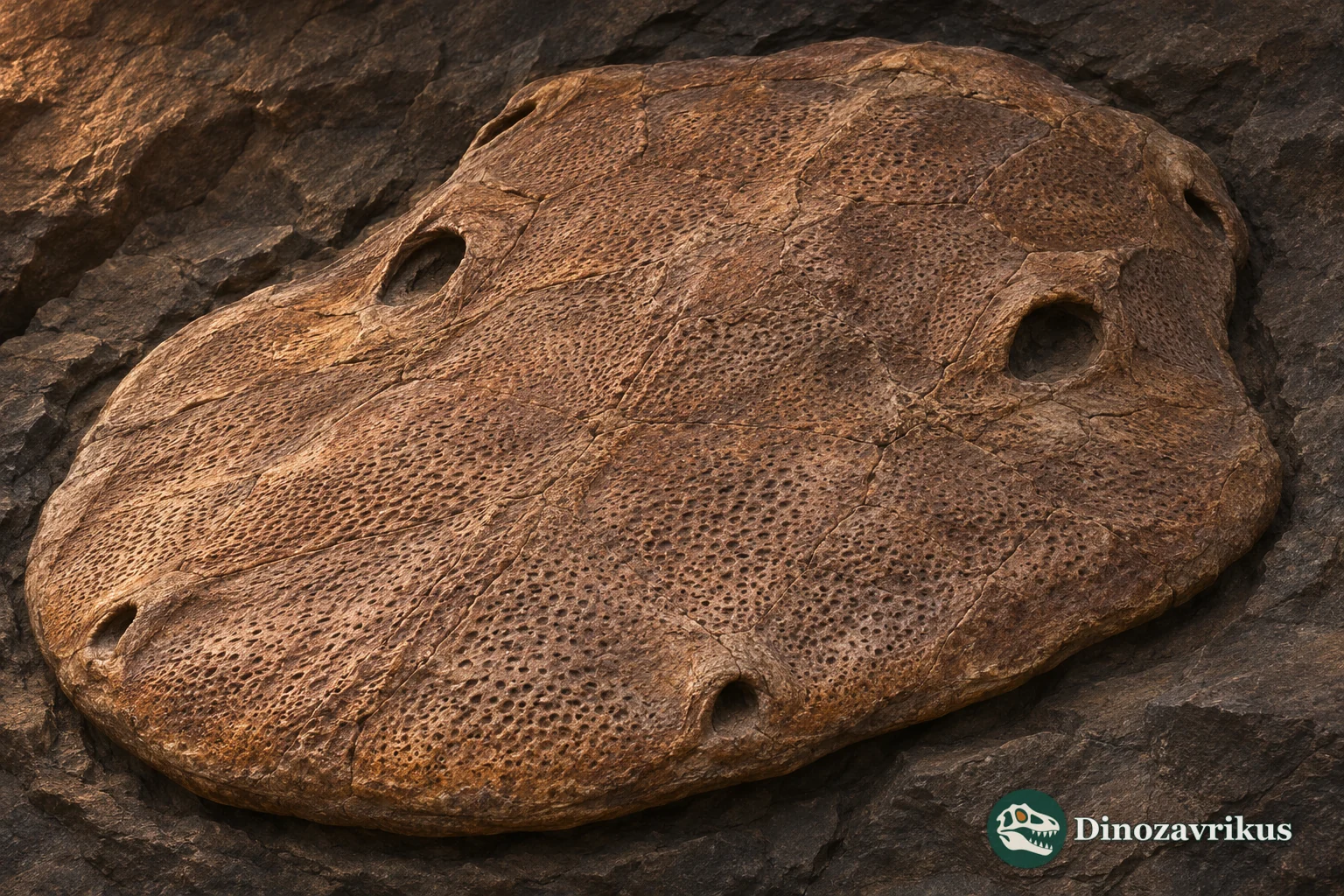
Comparing skulls
German specimens show a wide snout with a rounded front. The indentations at the back corners of the skull are almost enclosed, as in the Polish species. Cyclotosaurus has a similar feature. In a 2025 study both Tatrasuchus species had shorter external nostril openings than Cyclotosaurus. Their palates also differ from one another in details such as the internal nostril openings.
Rainer Schoch described the German species in 1997 as Kupferzellia wildi. A 2024 revision transferred it to Tatrasuchus as a distinct species, T. wildi. Researchers give a body length of up to three metres for the German species. An estimate for the Polish species would need its own evidence.
The environments that buried the bones
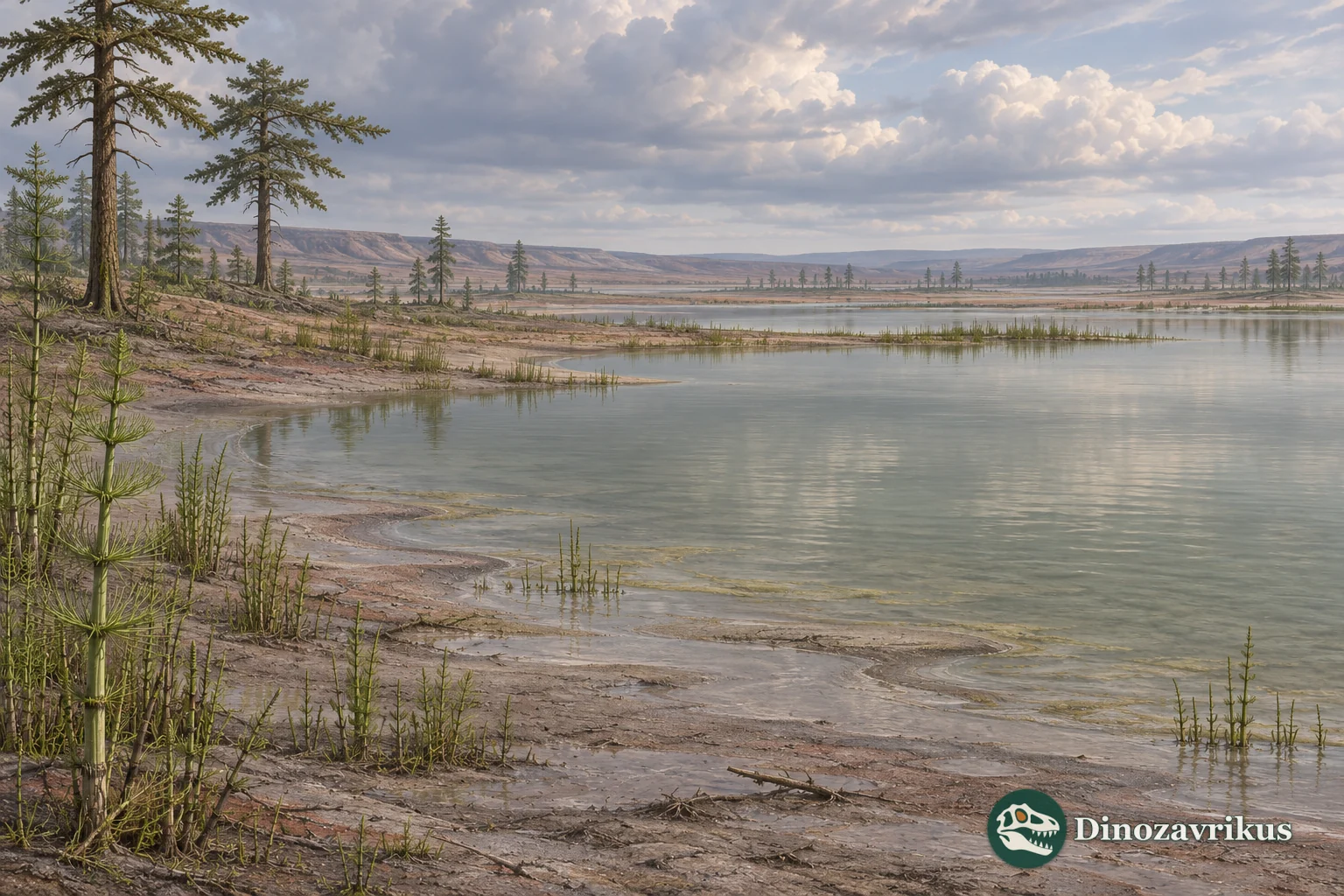
The German species occurs at Gaildorf, Kupferzell, Vellberg and other sites in the Erfurt Formation of Württemberg. Some beds in this formation accumulated in lakes. The Polish skull was buried in marine sediment. A single skull cannot show how far it moved before burial or describe the animal’s usual habitat.
Frequently asked questions
What does the name Tatrasuchus refer to?
The genus was named for the Tatra Mountains, where its type specimen was found.
Which Tatrasuchus was once called Kupferzellia?
The German species now known as Tatrasuchus wildi. Its original genus name was Kupferzellia.
How did its skull differ from that of Cyclotosaurus?
Both Tatrasuchus species had shorter external nostril openings, despite having similar notches near the rear corners of the skull.
Are the two species equally well represented?
The German species occurs at several localities. The Polish species was described primarily from its type skull and lower jaw.