

Telmabates antiquus was a long-legged waterbird from early Eocene Patagonia. Hildegarde Howard first interpreted it as an early relative of flamingos. Comparisons with North American Presbyornis later identified it as a presbyornithid, a member of an extinct family of waterfowl.
Quick facts
| Type species | Telmabates antiquus |
|---|---|
| Family | Presbyornithidae |
| Age | Early Eocene |
| Locality | Cañadón Hondo, Chubut, Argentina |
| Holotype | AMNH 3170 |
| Material | Partial skeleton and referred bones |
What can the fossils tell us?
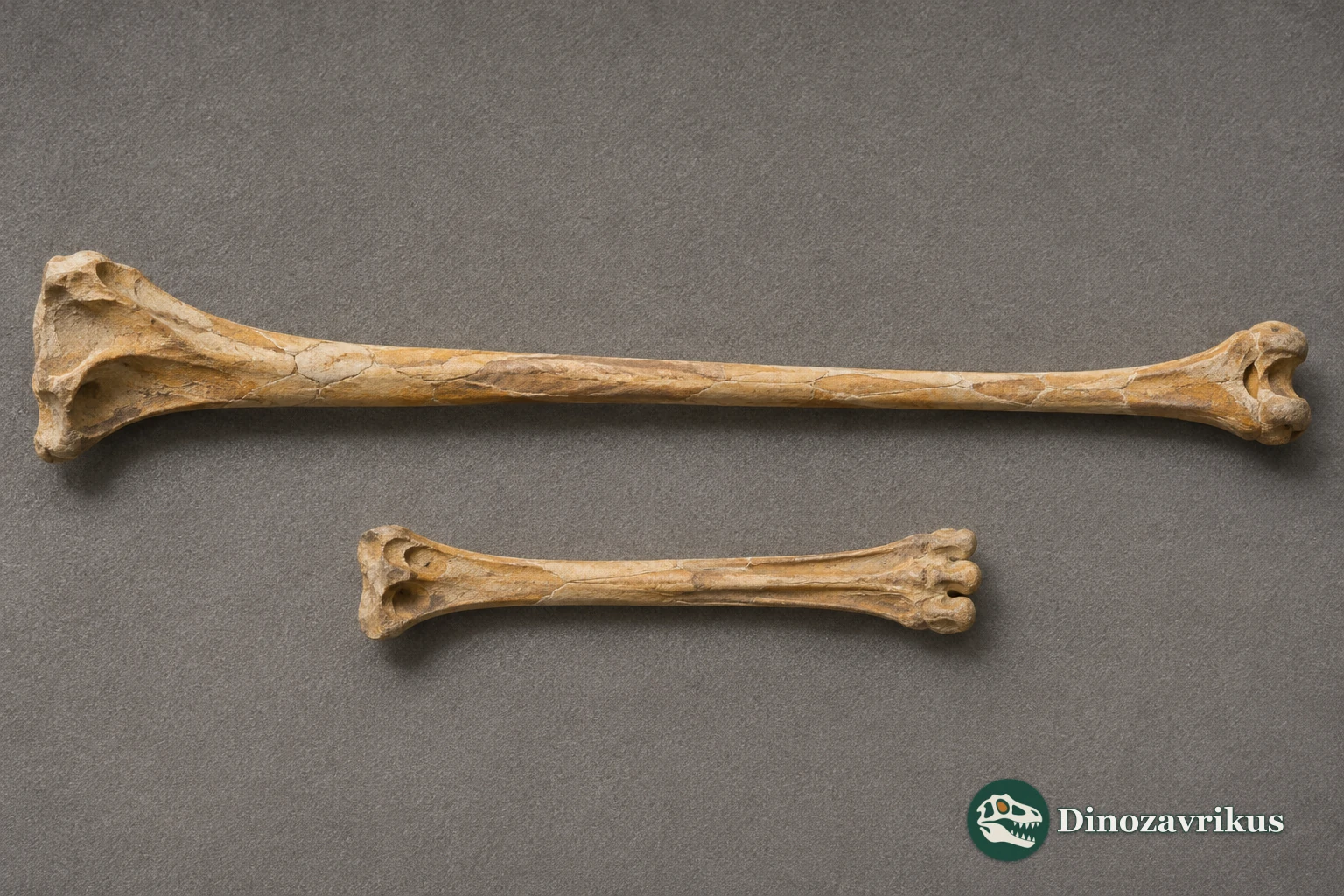
The type material includes the humerus, ulna, radius, bones of the hand and part of the shin. Small skull pieces do not preserve the entire bill.
The leg bones are comparatively stout. Researchers used their proportions together with features of the shoulder to keep Telmabates distinct.
The smaller bird originally described as Telmabates howardae was moved to Wunketru in 2024. It has a different outline at the lower shin joint.
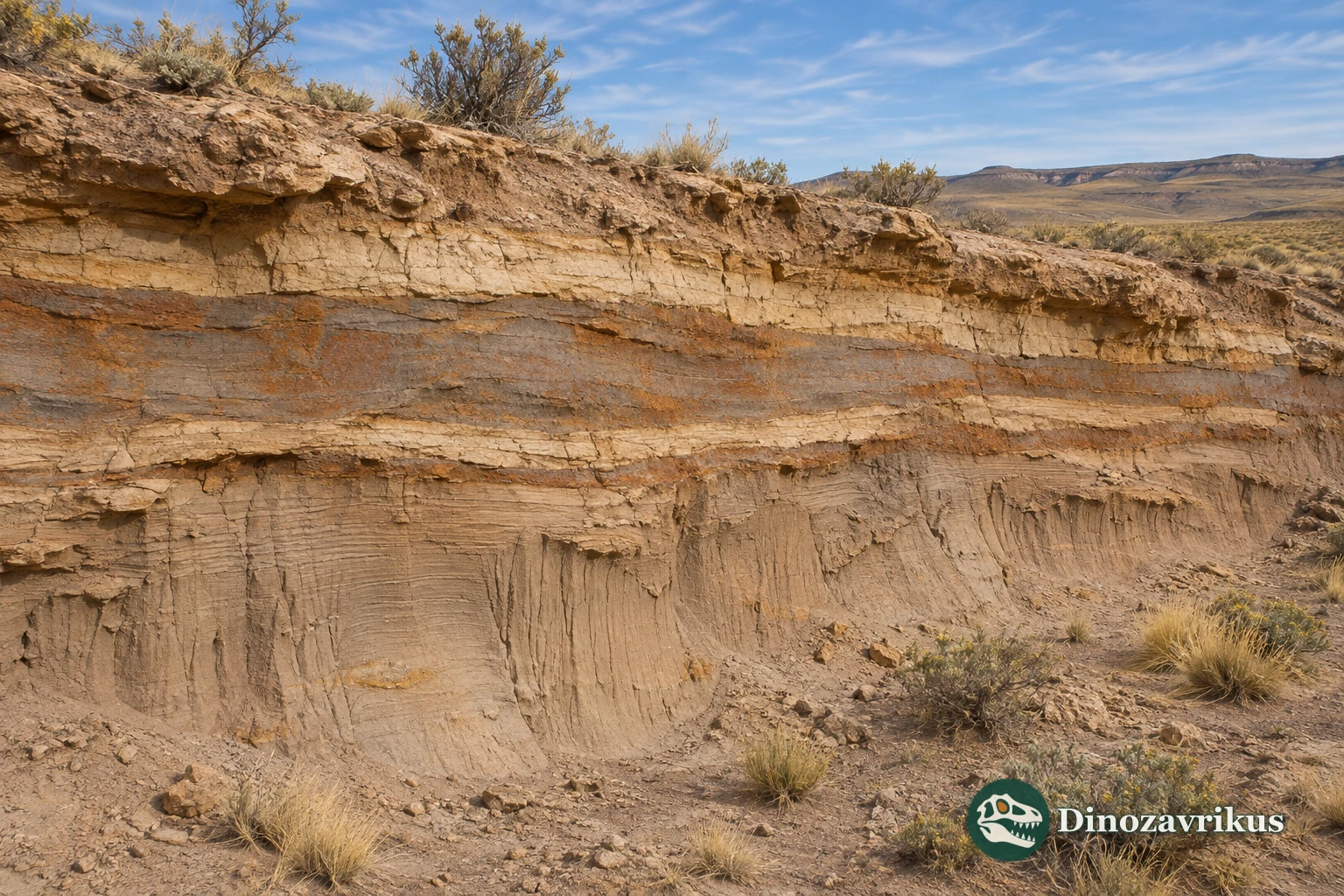
The Cañadón Hondo material
The Scarritt expedition led by George Gaylord Simpson recovered the fossils at Cañadón Hondo, south of the Río Chico. Howard named the species in 1955. Its type, AMNH 3170, is held at the American Museum of Natural History in New York.
The descriptions document about ninety mineralised bones and fragments, some distorted by preservation. They include bones of the limbs and shoulder girdle, fragments of the pelvis and skull, parts of the breastbone and vertebrae. Recent studies use the name Las Flores Formation for the early Eocene beds.
How a proposed flamingo became a waterfowl relative
The long legs prompted Howard’s comparison with flamingos. In 1974 Alan Feduccia and Paul McGrew pointed out a closer resemblance to Presbyornis. Per Ericson later retained Telmabates as a separate genus based on leg proportions and features of the coracoid. Shared features with the Australian Wilaru also helped document presbyornithids on both sides of the Southern Hemisphere.
The long legs fit a bird that could wade in shallow water. The skull fragments leave it unclear whether Telmabates strained food with its bill as proposed for Presbyornis. No complete bill is known.
Why the genus lost a second species
Joel Cracraft named Telmabates howardae in 1970 from part of a smaller bird’s shin bone from the same deposits. In 2024 Ricardo De Mendoza and colleagues moved it to the new genus Wunketru, citing differences around the lower joint. The family of that bird remains uncertain.
Frequently asked questions
Where was it found?
At Cañadón Hondo in the early Eocene Las Flores Formation of Chubut, southern Argentina.
Was Telmabates a flamingo?
Howard first proposed a flamingo affinity, but later comparisons placed it with presbyornithid waterfowl.
What distinguishes it from Presbyornis?
Its leg bones are stouter and differ in relative lengths. A ridge on the coracoid is also more prominent.
Can its bill shape be reconstructed precisely?
The fossil skull is fragmentary. The complete profile of the bill and how it was used remain uncertain.