

Volia athollandersoni is an extinct mekosuchine crocodilian from Viti Levu, the largest island of Fiji. A frontal bone from Wainibuku Cave anchors the name. Isolated bones from Wainibuku and Volivoli provide clues to its skull and size, but their ages have yet to be determined directly.
Quick facts
| Species | Volia athollandersoni |
|---|---|
| Group | Mekosuchinae |
| Age | Late Pleistocene, potentially Holocene |
| Locality | Viti Levu, Fiji |
| Holotype | MNZ S37341, right frontal |
| Estimated length | About 2–3 m for one individual |
What can the fossils tell us?
A trough and a raised orbital rim help identify Volia. The frontal cannot show the entire shape of the snout.
The 2–3 m figure came from comparing an incomplete femur with that of a living saltwater crocodile. The comparison depends on similar limb proportions.
A preliminary age estimate exists for the Volivoli sediment. The crocodilian bones lack direct dates, and the Wainibuku material may be younger.
A frontal and a jaw from Wainibuku
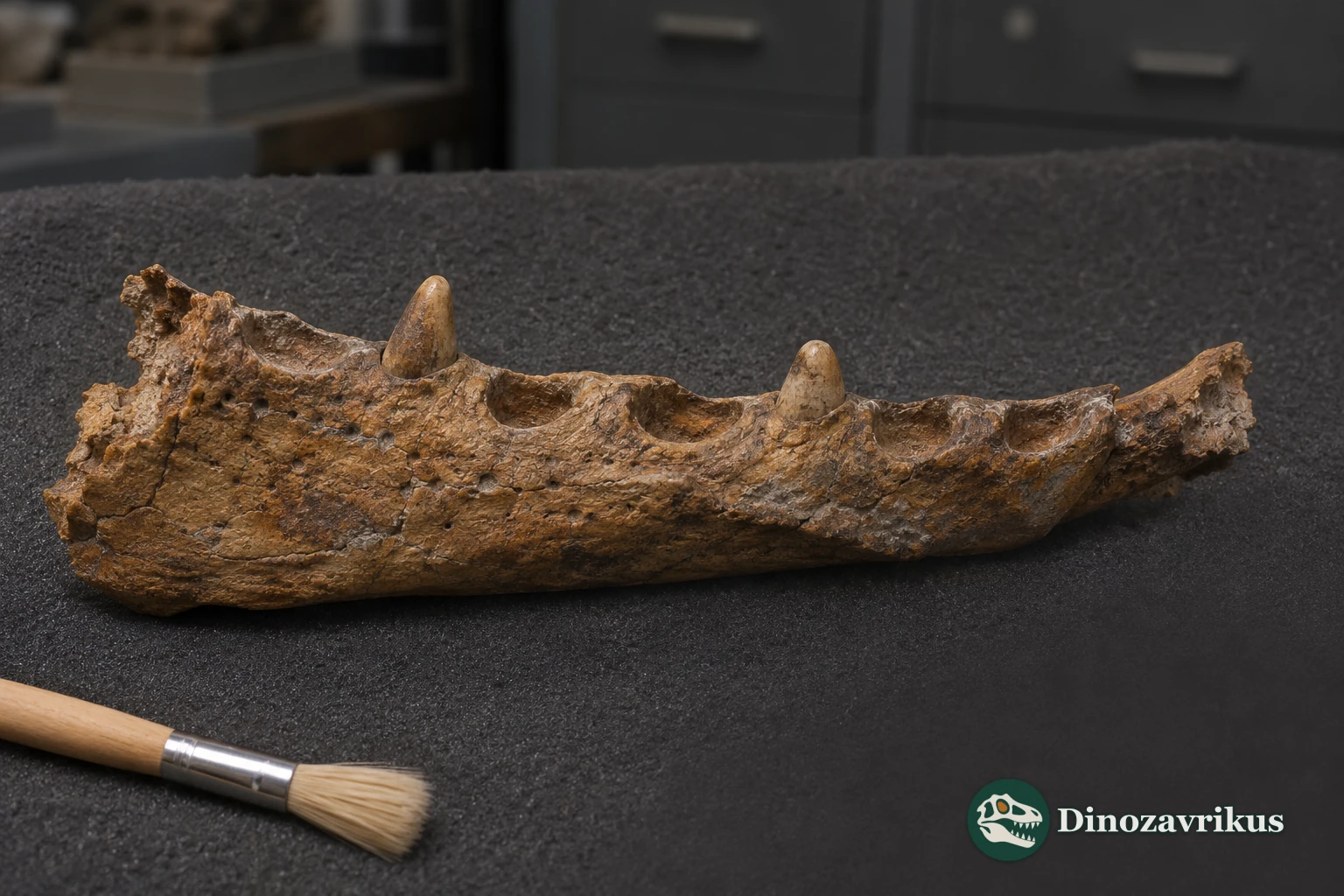
Ralph Molnar, Trevor Worthy and Paul Willis named the species in 2002. The holotype, MNZ S37341, is a right frontal with a raised rim at the orbit and a pronounced trough towards its front. A separate piece of the left lower jaw, MNZ S37332, preserves two tooth crowns.
The Volivoli deposits yielded parts of a premaxilla, vertebrae, limb bones and armour. The generic name refers to that cave. The species name honours Atholl Anderson for his research into the prehistory and environments of the south-west Pacific islands.
How big was the crocodilian?
The original description estimated one animal at about 2–3 m in total length by comparing an incomplete femur with the thigh bone of a living saltwater crocodile. This was a proportional estimate for the individual represented by that bone. It does not establish the typical size or upper limit of the species.
Volia is placed among mekosuchines, a group also represented by Mekosuchus in New Caledonia. The Fijian material has prompted suggestions of hunting on land. Its fragmented condition leaves the animal’s reliance on aquatic habitats unresolved.
How old are the cave deposits?
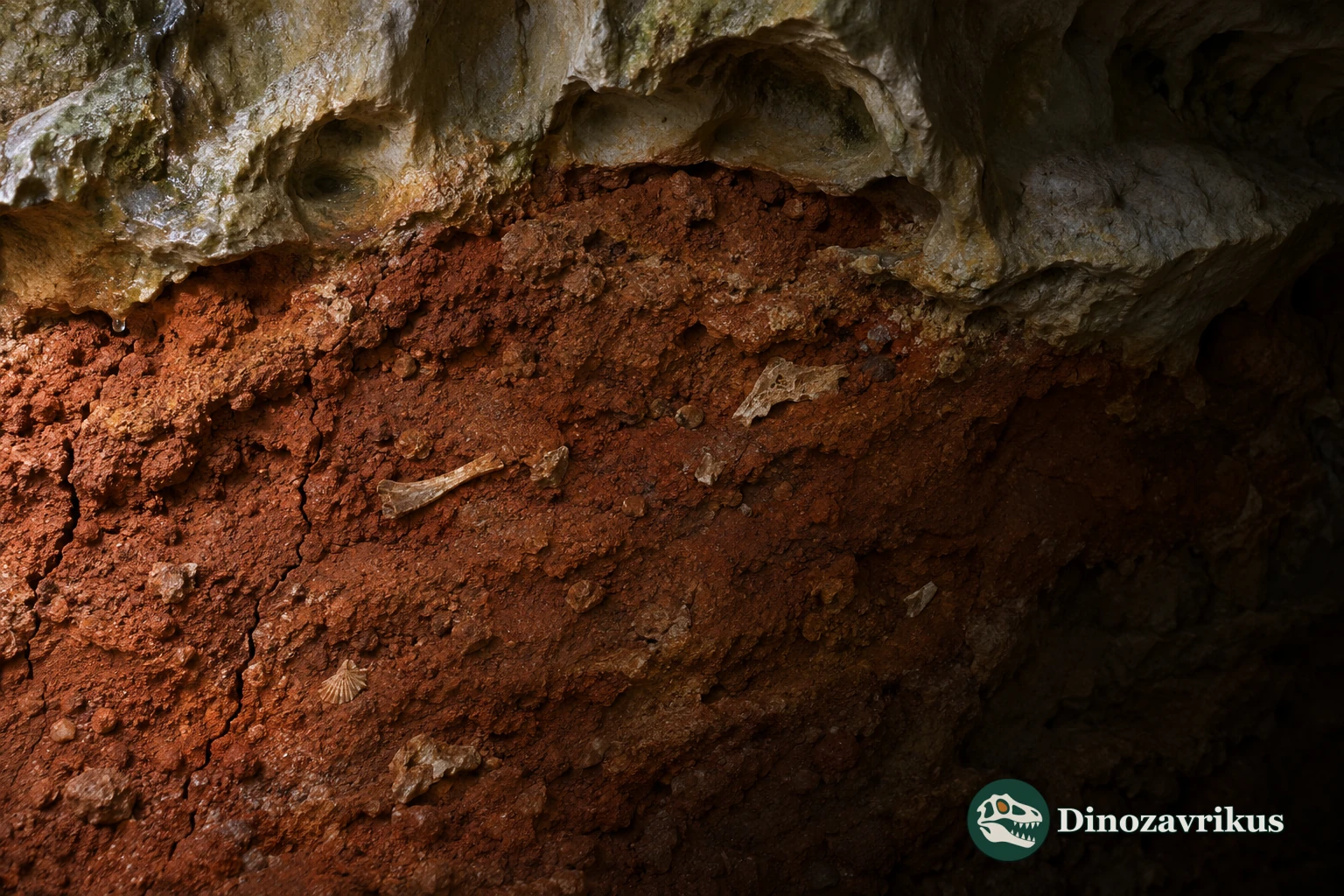
The fossil-bearing clay at Volivoli has an approximate preliminary age of 10,000–20,000 years before present. No direct dates have been obtained from the crocodilian bones. The Wainibuku deposits may be younger and could date to the Holocene.
A worn tooth, an armour plate and a cranial fragment from Naigani have also been compared with Volia. Their diagnostic features are too limited for a firm assignment. These fragments cannot establish that the species survived until people settled Fiji, and the timing and cause of extinction remain open.
Frequently asked questions
Which bone is the holotype?
A right frontal from Wainibuku Cave, identified by its steeply raised orbital rim and frontal trough.
Why is Volia named after a different cave?
The generic name refers to Volivoli Cave. It produced some of the material attributed to the species, including the femur on which the length estimate was based.
Was Volia three metres long?
The original authors estimated one individual at two to three metres. The length is based on a partial femur, with no complete skeleton to check the proportions.
Do we know when Volia went extinct?
No. The Wainibuku remains may be Holocene, but the bones are undated and the Naigani material cannot be assigned to Volia with confidence.