

Xenorhinotherium bahiense was a large South American litoptern named by Cartelle and Lessa in 1988 from fossils in Bahia, Brazil. Its resemblance to Macrauchenia patachonica has prompted disagreement over whether the two names represent distinct animals. The cover suggests a possible living appearance; lip shape, coat and color are not preserved.
A juvenile jaw and a much later dated tooth address different problems. They should not be treated as parts of one skeleton or one population.
Quick facts
| Species | Xenorhinotherium bahiense |
|---|---|
| Group | Litopterna, Macraucheniidae |
| Named | Cartelle and Lessa, 1988, from Bahia |
| Juvenile paratype | MCL 2643 from Toca dos Ossos |
| Main fossil interval | Pleistocene |
| Published late date | 3,587 ± 112 radiocarbon years BP for one attributed tooth fragment |
| Taxonomic issue | Distinction from Macrauchenia patachonica has been disputed |
What can the fossils tell us?
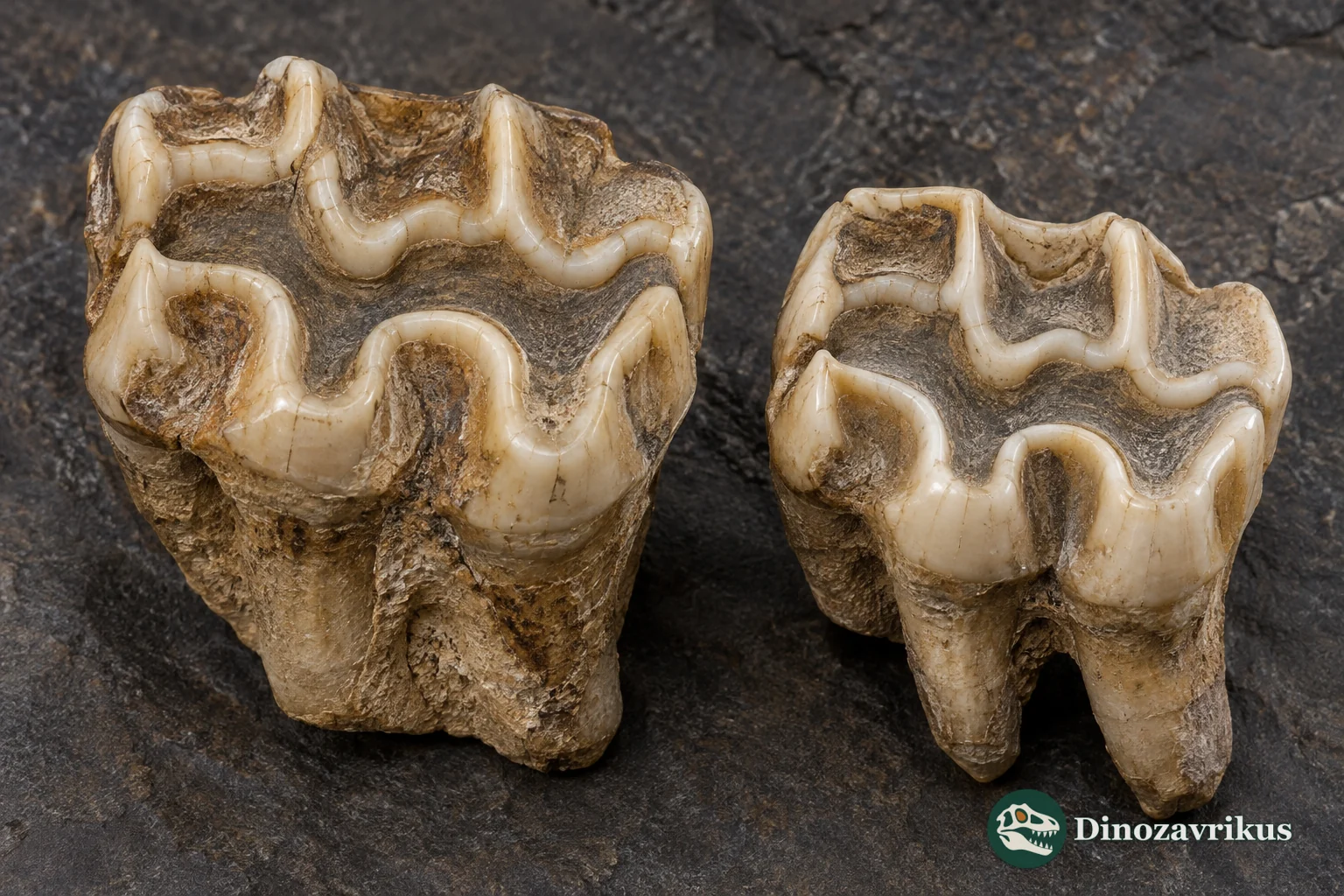
Deciduous and permanent teeth in MCL 2643 let researchers compare eruption stages and crown height without treating juvenile traits as adult differences.
Some authors merged the Brazilian form into Macrauchenia patachonica. A 2017 dental study rejected that proposal, while fragmentary specimens still need careful comparisons.
A fragment identified as X. bahiense yielded 3,587 ± 112 radiocarbon years BP. Independent dates and secure identification are needed before this becomes a last-survival date for the genus.
What the juvenile teeth preserve
A 2017 study examined deciduous and permanent teeth of juvenile paratype MCL 2643 from the limestone cave of Toca dos Ossos in Bahia. Jaw fragments and isolated teeth document replacement stages. The authors also assessed crown height, allowing age-related features to be separated from potential taxonomic characters.
A detached tooth retains enamel and wear features but says little about complete skull proportions. Other Brazilian Pleistocene herbivores such as Toxodon shared a broad regional history without belonging to the same lineage.
Why the name remains discussed
Some workers have treated X. bahiense as a junior synonym of Macrauchenia patachonica. The authors of the 2017 eruption study explicitly disagreed. This is a comparative taxonomic judgment, not a measurement that resolves every isolated bone.
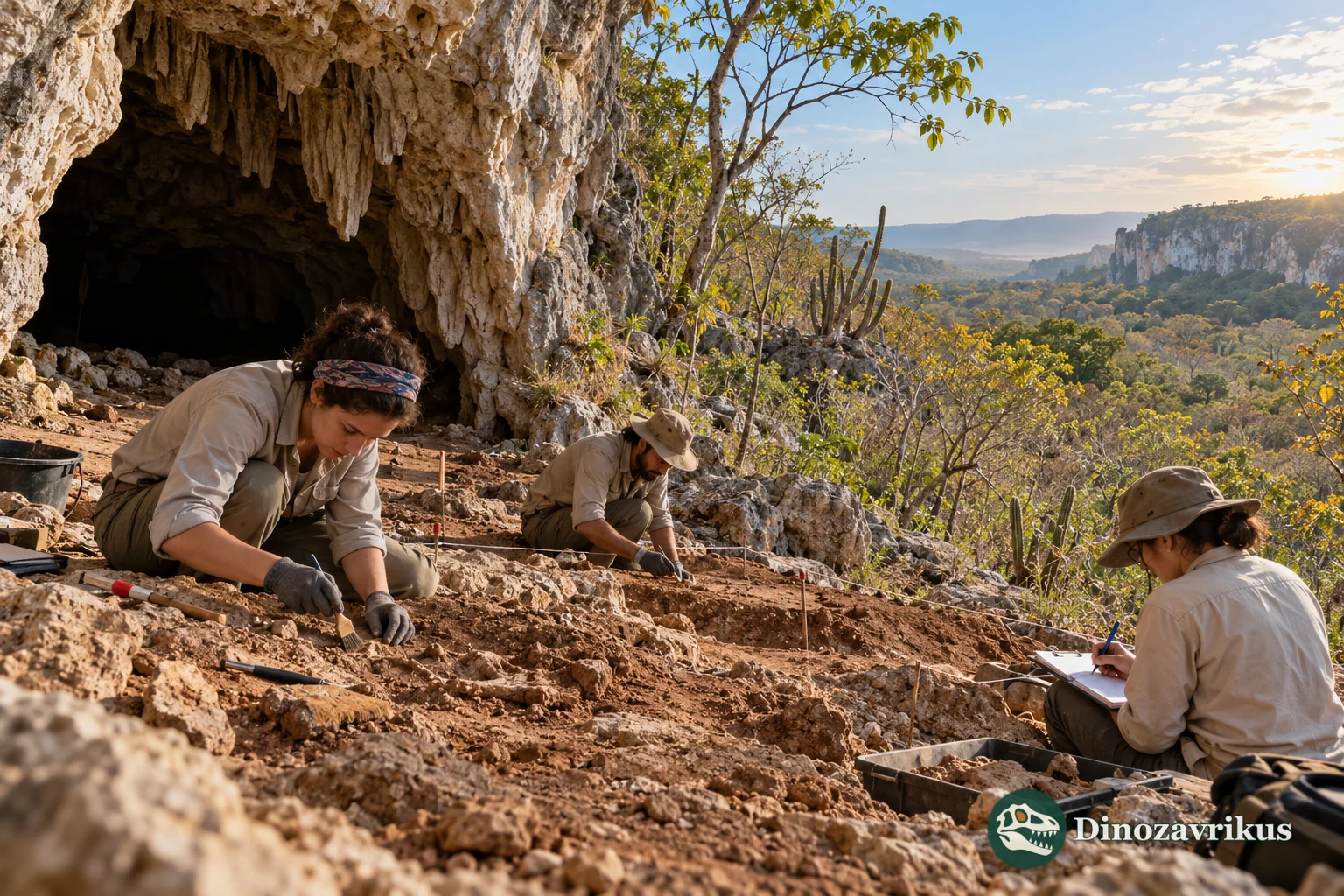
Macraucheniid material occurs across several Brazilian states, but a fragment need not be identifiable to species. Cave deposits may contain fossils from different times. Regional association with Palaeolama does not demonstrate that particular individuals lived together.
The unusually late radiocarbon measurement
A 2025 study radiocarbon-dated megafaunal tooth fragments. One from the Jirau site in Ceará was assigned to X. bahiense and yielded 3,587 ± 112 radiocarbon years before present. The result belongs to the analyzed specimen under that laboratory procedure; it does not date all Brazilian finds or establish the disappearance of the whole species.
Because the result would imply exceptionally late survival, preservation, contamination, identification and replication on independent material all matter. It poses a testable question about South American megafauna after the Pleistocene.
Frequently asked questions
Was Xenorhinotherium a Macrauchenia?
Both treatments appear in the literature. A 2017 dental study retained Xenorhinotherium separately, but comparable material remains important.
What is known from the juvenile paratype?
MCL 2643 preserves deciduous and permanent teeth used to study eruption and crown height.
Does a 3,587-year date prove Holocene survival?
It is a published date for one attributed tooth fragment. Independent dates and taxonomic checks are needed for a population-level conclusion.
Is the length of its trunk known?
No. The discussed fossils do not preserve its soft tissue, so facial appearance in life art remains conjectural.