

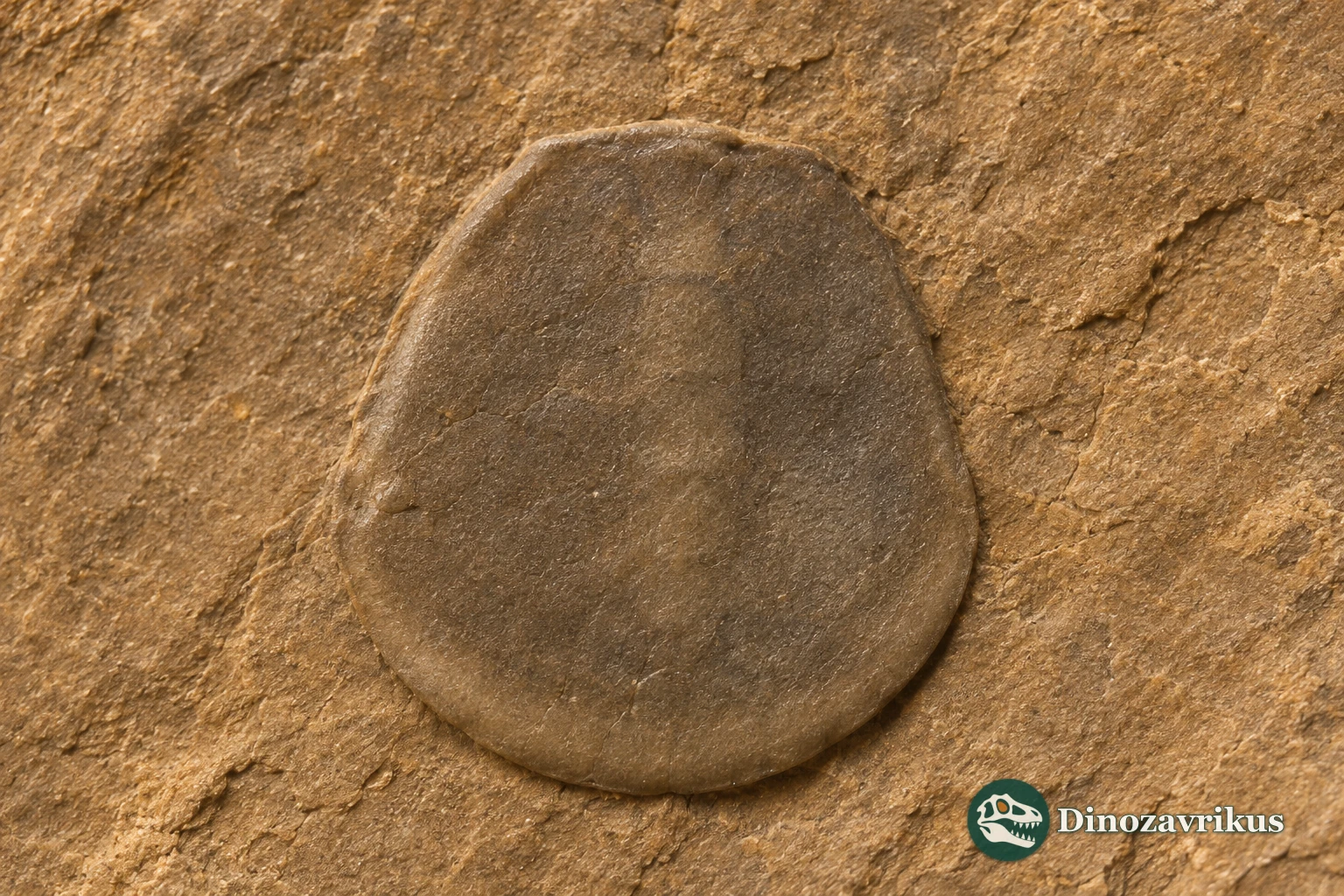
Yakutiana is a Cambrian agnostoid first described from eastern Siberia. Twentieth-century papers generally used the name Pseudophalacroma. Its shell has little dorsal relief, which makes the breadth of the border and the traces of shallow grooves useful for identification.
Quick facts
| Group | Agnostida |
|---|---|
| Age | Middle Cambrian |
| First description | Nina Pokrovskaya, 1958 |
| Replacement name | Hüseyin Özdikmen, 2009 |
| Type species | Yakutiana crebra |
| Type material | Dzhakhtarsky Horizon, Yakutia |
What can the fossils tell us?
Yakutiana was proposed in 2009 because Pseudophalacroma was already in use for a genus of dinoflagellates.
The border is assessed with the furrow, axial relief and marginal spines. Damage to the edge can remove some of these clues.
Specimen 149/7c was published under the older genus name and can be compared with detached shields from other collections.
The fossil behind the two names
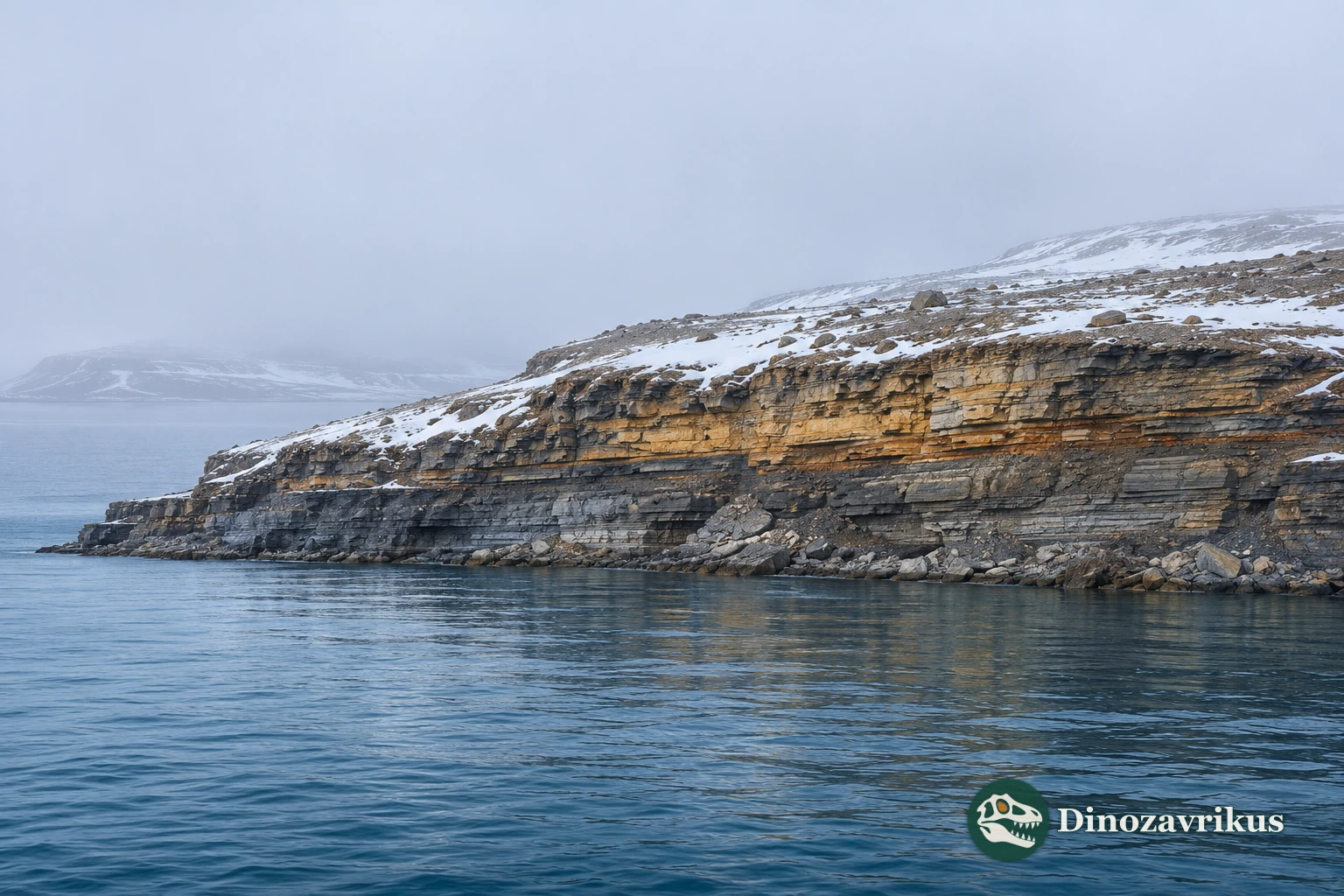
In 1958 Nina Pokrovskaya described Pseudophalacroma crebra from the Dzhakhtarsky Horizon of Yakutia. Jörgensen had already used Pseudophalacroma for a marine dinoflagellate genus in 1923. Hüseyin Özdikmen proposed the replacement name Yakutiana in 2009, with the original type species carried over as Yakutiana crebra.
A dorsal shield assigned to P. crebra has also been illustrated from Bennett Island in the New Siberian Islands. The published specimen number is 149/7c. Publications using both names are relevant when tracing the Siberian fossil record.
Where the boundary with Lejopyge lies
The lightly furrowed shields have led to different classifications. Richard Robison placed the type form in Lejopyge dubia, interpreting the differences in terms of growth, individual variation or preservation. Stephen Westrop and colleagues distinguished the two genera in an analysis of shared features.
Two broken specimens from limestone in the Karsha Formation of Zanskar were tentatively compared with the Chinese species Y. ovale. The oval shields have borders that widen to the rear. Their furrows and a possible spine base also recall Lejopyge. The identification consequently remains tentative.
Frequently asked questions
Why does Yakutiana have two genus names in the literature?
Pseudophalacroma was already in use for a dinoflagellate genus. Yakutiana was proposed for the fossil agnostoid in 2009.
Where did the type material come from?
The Dzhakhtarsky Horizon in Yakutia. Material attributed to the same species has also been illustrated from Bennett Island.
What is useful for identifying the tail shield?
The width of its rim, the relief of the axis and the condition of the edges are all informative.
Is the Chinese species confirmed from Zanskar?
The assignment is tentative because the damaged shields have features resembling both Yakutiana and Lejopyge.