

Yunnanosaurus was an early sauropodomorph from what is now China. The type species is represented by a skull and much of the skeleton. Together these bones provide a basis for reconstructing the animal, while its unusual teeth offer clues to how it collected food.
Quick facts
| Group | Sauropodomorphs (Sauropodomorpha) |
|---|---|
| Age | Early Jurassic |
| Region | Asia (Yunnan Province, China) |
| Diet | Probably herbivorous |
| Type species | Yunnanosaurus huangi |
| Holotype | V 20, skull and much of the skeleton |
| Strata of the type species | Lower Lufeng Formation |
What can the fossils tell us?
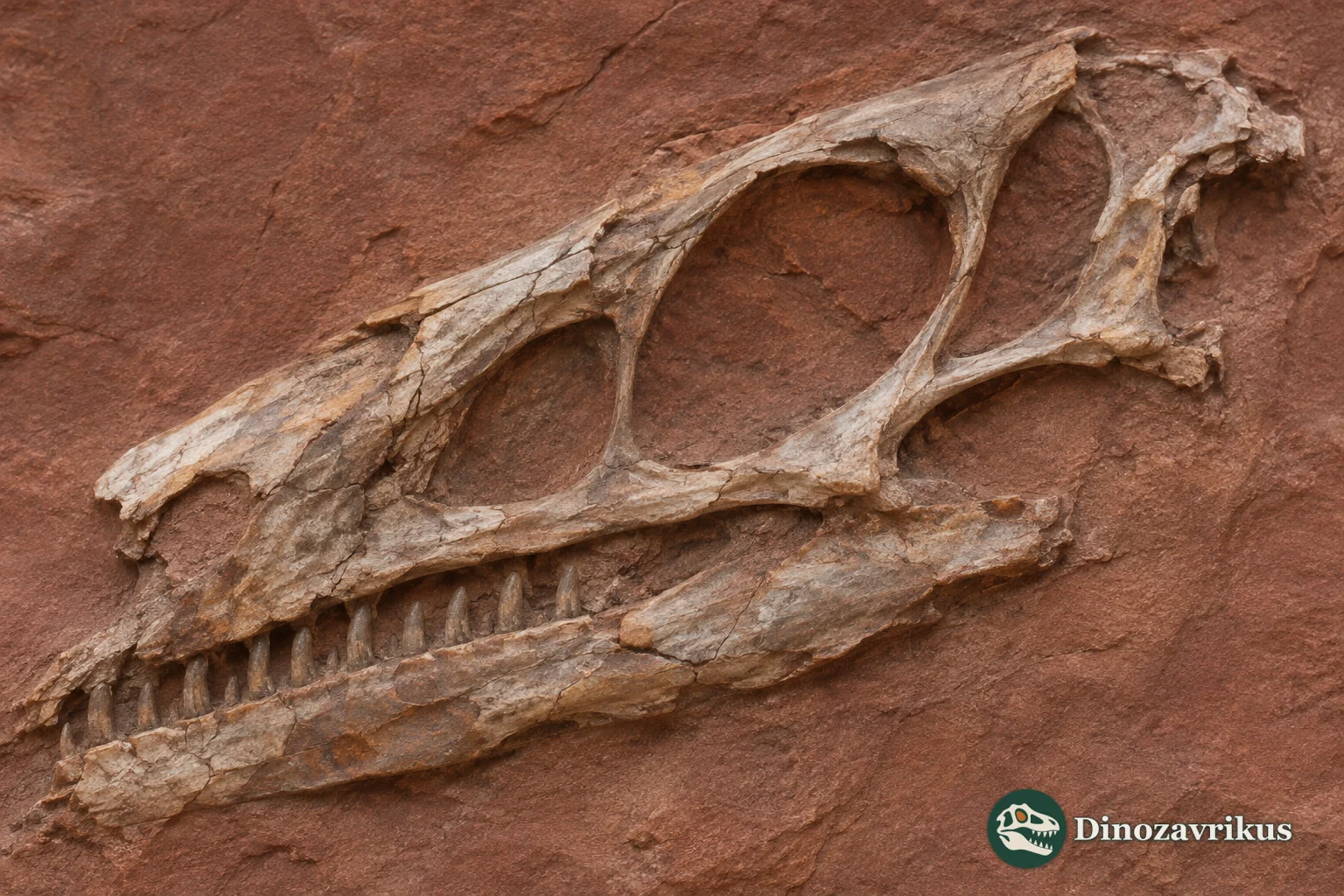
The type specimen V 20 from Yunnan includes a skull and bones from the rest of the skeleton. Its skull anatomy, including the bony bar between the external nostrils, helps diagnose the genus.
The maxillary teeth have elongate crowns without marginal serrations. Individual similarities to later sauropod teeth do not establish an ancestor–descendant relationship.
Yunnanosaurus youngi was described from vertebrae and limb and girdle bones. The specimen cannot be checked for the cranial features of the type species.
The skeleton from Yunnan
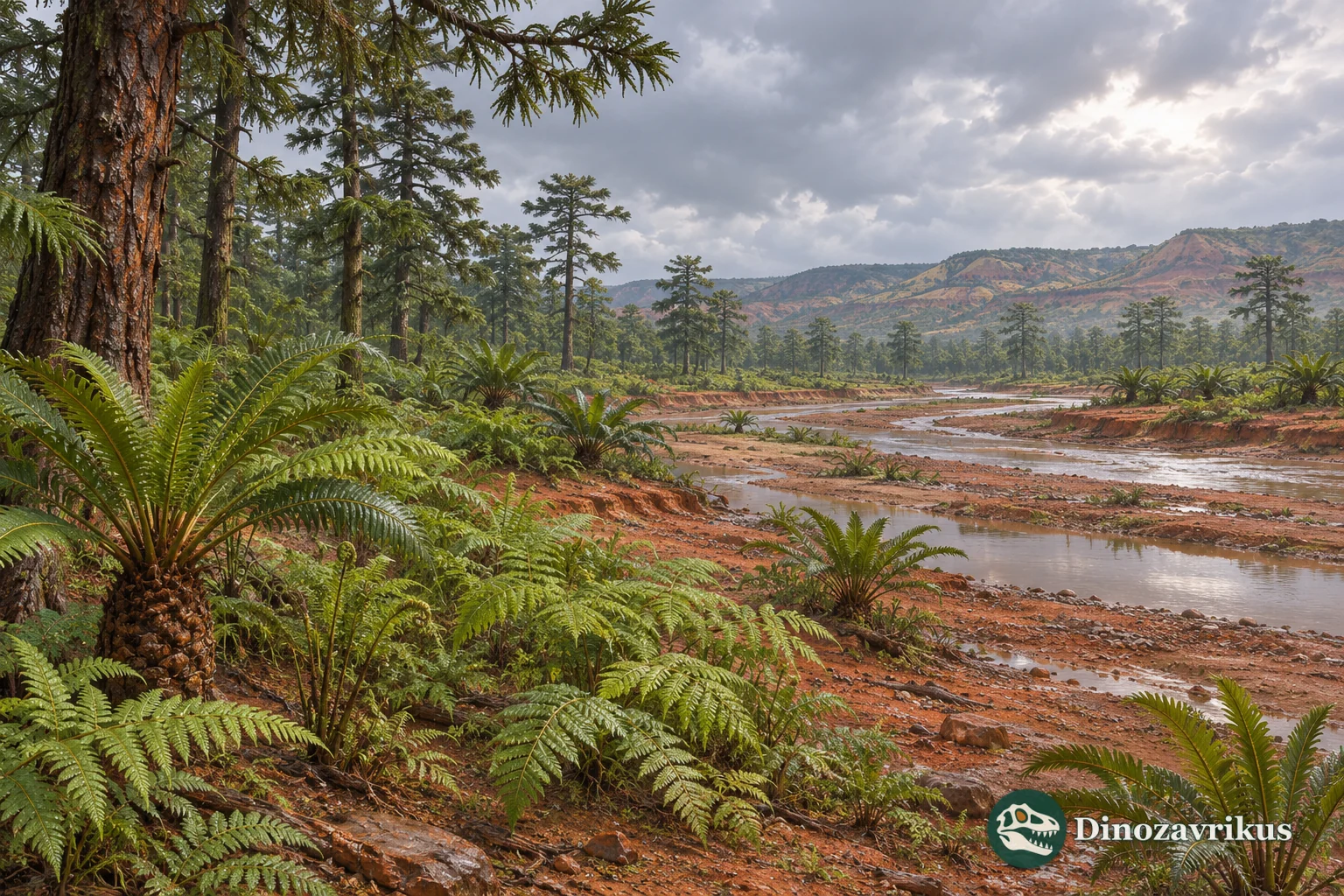
C. C. Young named Yunnanosaurus huangi in 1942. The type came from red beds of the Lower Lufeng Formation. Material from the neck, trunk and limbs allows much of the body to be restored from its own skeleton. A detailed redescription of the skull in 2007 identified several features that distinguish it from other early sauropodomorphs.
A distinctive skull and dentition
The bony bar between the external nostrils is expanded. Small raised bosses run along the midline on top of the skull. The upper jaw bears teeth with narrow, elongate crowns and smooth margins. Many other early sauropodomorphs, including Lufengosaurus, have differently shaped crowns with marginal serrations.
The teeth are consistent with a plant-based diet. Smooth edges and elongate crowns provide clues about how the animal gathered food, although they cannot tell us which plants it ate. Researchers have interpreted the similarities to some sauropod teeth as features that evolved independently.
The material from Yuanmou
A second species, Yunnanosaurus youngi, was named from a partial skeleton that includes numerous vertebrae, elements of the pelvis and limb bones. It was found in the Yuanmou area. The description assigned it a Middle Jurassic age, but later geological work on the local deposits supported an Early Jurassic age. A direct comparison of the two species' teeth remains impossible with these specimens.
Frequently asked questions
Where was Yunnanosaurus found?
The type specimen came from the Lower Lufeng Formation in China's Yunnan Province.
What bones does the type preserve?
It includes the skull, vertebrae and limb bones, allowing comparisons of the head and the rest of the skeleton.
What is distinctive about the teeth?
The maxillary teeth have long, narrow crowns without edge serrations.
Can the teeth of the Yuanmou species be compared directly?
The named specimen from Yuanmou lacks a skull and tooth row.