

Agkistrodon is a living genus of American pit vipers. Fossils from Late Miocene Nebraska record snakes identified with this genus on the Great Plains, long before the ice ages.
Quick facts
| Group | Snakes, pit vipers (Viperidae) |
|---|---|
| Age | Late Miocene (early records of the genus) |
| Region | North America, United States |
| Type species | Agkistrodon contortrix |
| Scientific name | Agkistrodon |
| Diet | Exact prey is unknown |
What can the fossils tell us?
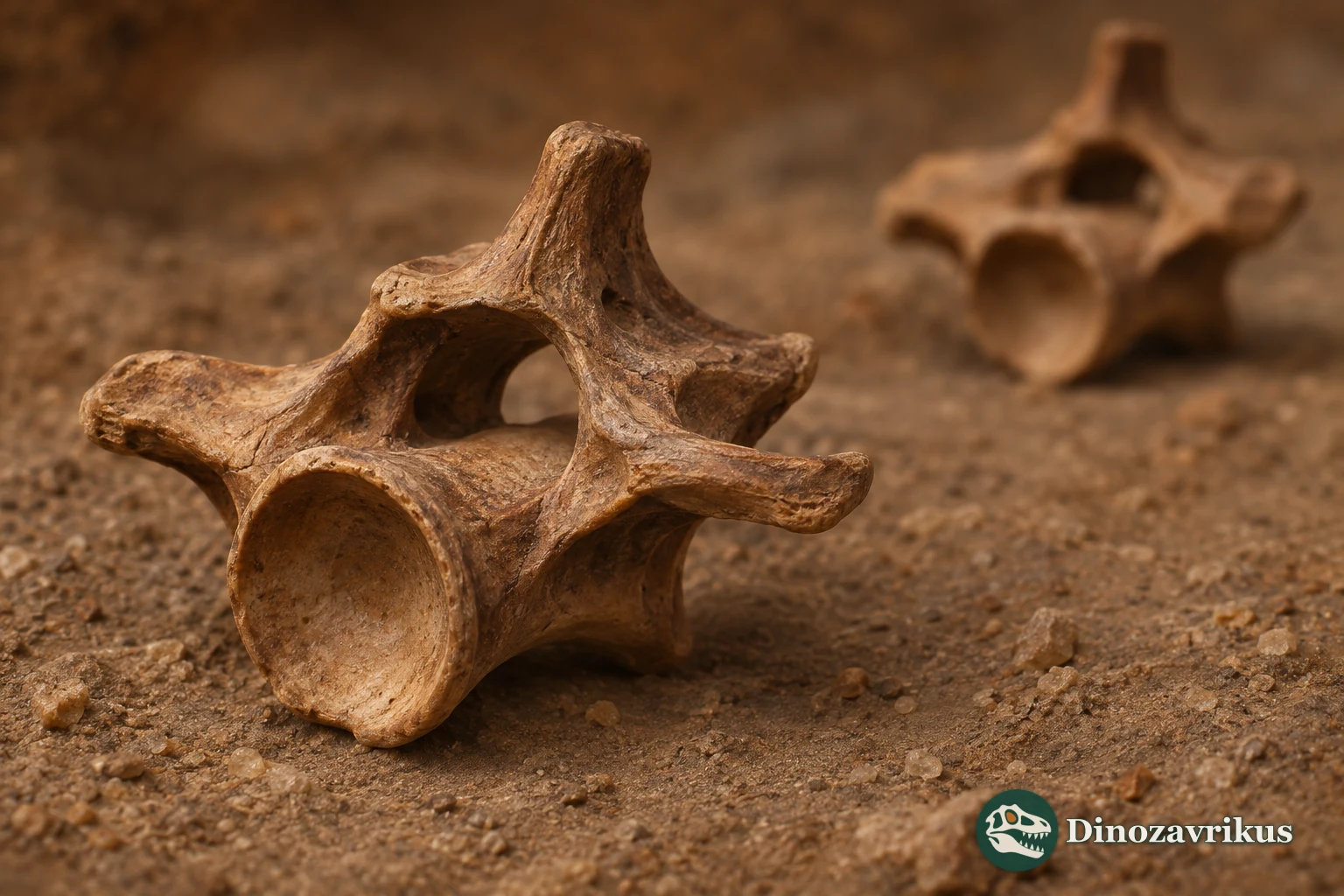
Fossil snakes of the Great Plains are often represented by isolated vertebrae.
Comparing several features of a vertebra with modern specimens can narrow the range of plausible identifications.
An assignment to a particular living species is more uncertain than a broader identification.
A vertebra in place of a skeleton
Bayard Brattstrom published a study of North American fossil pit vipers in 1954. Late Miocene finds from Nebraska entered the literature as early records of Agkistrodon. Researchers compare features including the shape of the vertebral centrum and its processes. Those shapes vary along a single snake’s spine, which is one reason a series of modern specimens makes a better comparison than an isolated reference bone.
What a living species name means in a fossil list
Some Great Plains fossils have been referred to Agkistrodon contortrix, the living copperhead. An identification based on bone shape cannot precisely date the origin of the modern species. The fossil record of Calamagras, another North American snake, illustrates the kinds of comparisons researchers can make with vertebrae alone.
Pit vipers then and now
Living species in Agkistrodon include copperheads and cottonmouths. In a living pit viper, a heat-sensitive facial pit sits between the eye and nostril. An isolated fossil vertebra does not preserve that part of the head. The Late Miocene age on the profile refers to early fossil records of a genus with living members.
Frequently asked questions
Where were early fossils referred to Agkistrodon found?
The Late Miocene specimens assigned to the genus include finds from Nebraska.
What is the type species of Agkistrodon?
The original type name Agkistrodon mokasen is now treated as a synonym of the copperhead, Agkistrodon contortrix.
Are any members of this genus still alive?
Yes. The catalogue profile covers the fossil history of a genus that still includes living species.
Did the Miocene snakes have copperhead markings?
Their colour pattern is unknown. The illustration takes its pattern from a living copperhead.