

Agomphus was a turtle of eastern North America with heavy shell bones and a broad middle section of the plastron. Separate pieces from New Jersey once carried several species names. Later comparisons showed how difficult it was to draw boundaries between them.
Quick facts
| Group | Turtles, stem relatives of dermatemydids (Pan-Kinosternoidea) |
|---|---|
| Age | Late Cretaceous and Paleocene records. The age of some specimens is disputed. |
| Region | North America (eastern United States) |
| Type species | Agomphus turgidus, later compared or synonymized with A. pectoralis |
| Key material | AMNH 1478, partial plastron of A. pectoralis |
| Scientific name | Agomphus |
| Diet | No direct evidence |
What can the fossils tell us?
The surviving bones show the shape of the lower shell. They provide little evidence about how the animal held its head or fed.
Several apparent differences between named specimens are hard to repeat in detailed comparison. Some authors placed these finds in A. pectoralis.
Published records include the main fossil-bearing layer at Hornerstown. The precise source beds of some older finds are unknown.
The New Jersey shells
Edward Drinker Cope erected Agomphus in 1871, giving A. turgidus as its type species. The New Jersey marl pits yielded many early specimens, with limited details of their original beds. Comparative studies have also used the partial plastron AMNH 1478 of A. pectoralis.
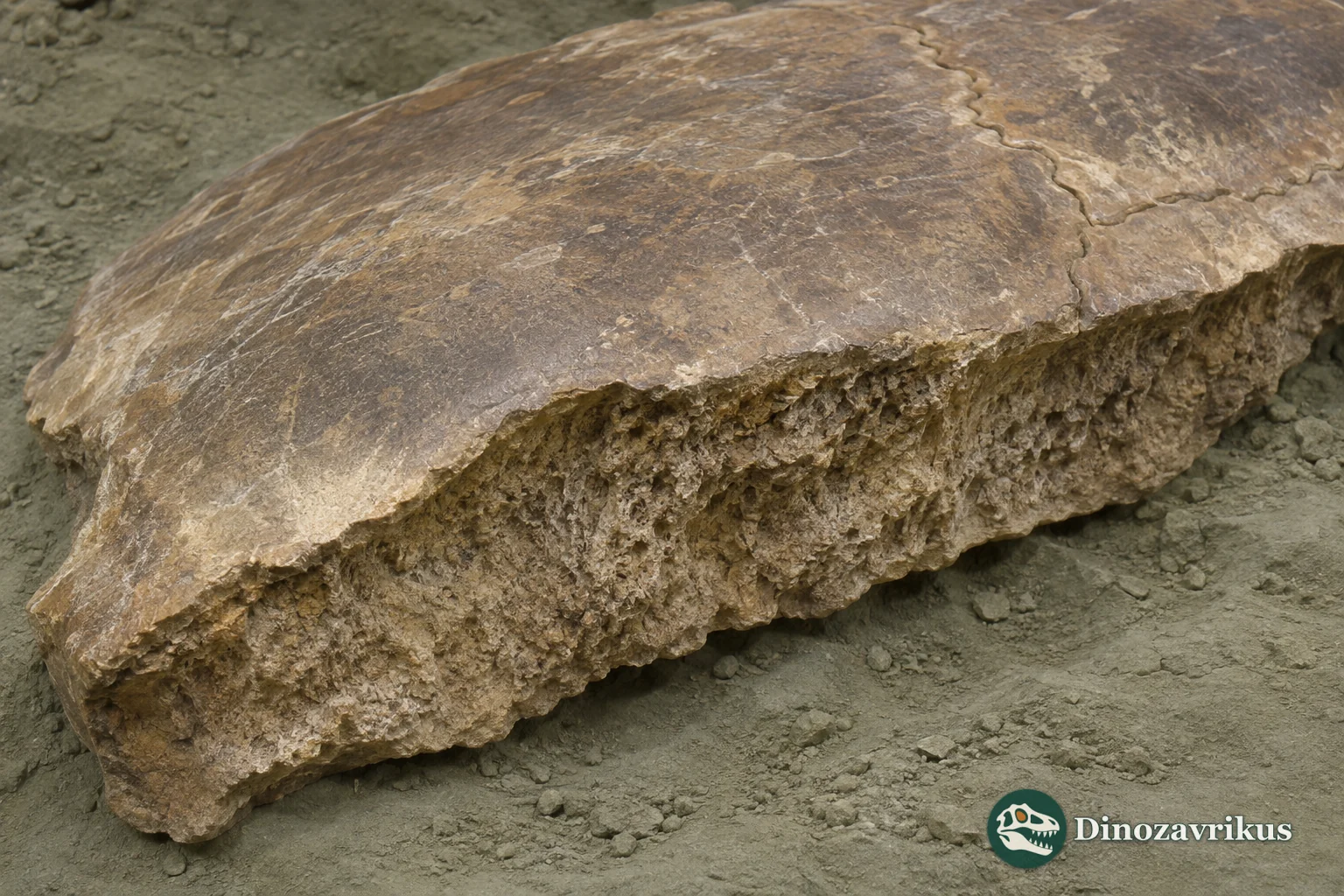
The lower shell was broadest across the middle, then narrowed towards the front and rear. Thick peripheral bones and tapering processes extending to either side of the front midline plate are among the features described from the upper shell. These features and others have been used to compare Agomphus with early relatives of the living Central American river turtle.
Why some species names were combined
During the nineteenth and early twentieth centuries, fragmentary shells had been described under names including A. turgidus, A. petrosus and A. tardus. Howard Hutchison and Robert Weems found no reliable distinction among several New Jersey forms and referred them to A. pectoralis, the earliest available species name in their treatment. The position of a bone within the shell and variation between individuals can explain some of the differences in shape.
What the beds can tell us
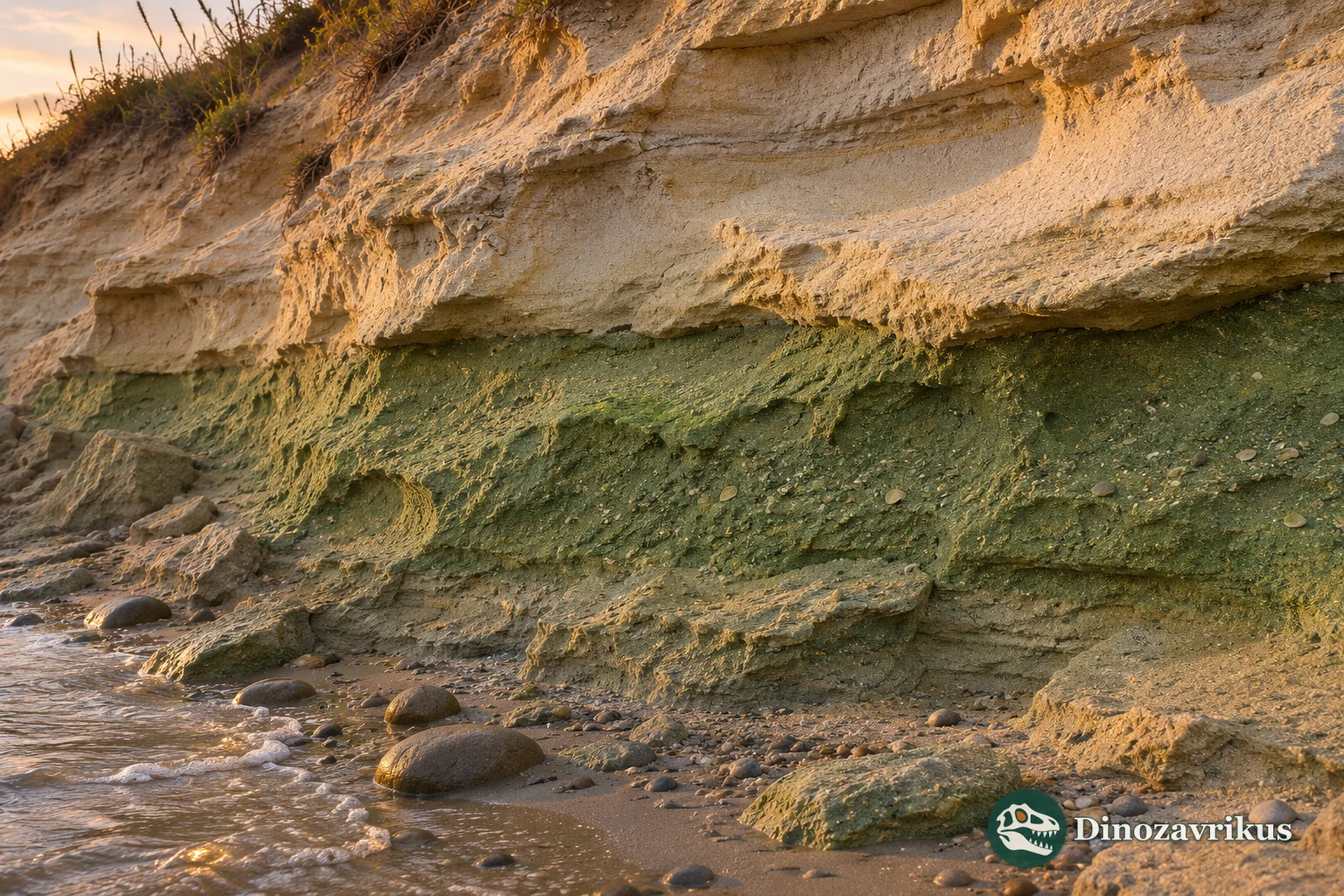
A published record of A. turgidus comes from the main fossil-bearing layer of the Hornerstown Formation. The layer lies near the Cretaceous–Paleogene boundary and its history of fossil accumulation is debated. Shell fragments from Paleocene deposits in South Carolina have been compared with A. pectoralis, with the species identification treated as tentative. Another Paleocene North American turtle, Protochelydra, also provides skulls for comparisons.
Frequently asked questions
What parts are best known?
Upper and lower shell bones, including unusually thick peripheral and plastral plates.
Why do the names A. turgidus and A. pectoralis both appear?
Cope specified the first as the type species. Later work combined several specimens under the older name A. pectoralis.
Where are the fossils from?
The principal fossils are from New Jersey. Comparable fragments came from Paleocene deposits in South Carolina.
Why is the age qualified?
Some old finds lack a precise horizon, and the fossil-bearing interval at Hornerstown is close to the Cretaceous–Paleogene boundary.