

Aletodon was a small genus of Paleocene mammals known mostly from teeth and fragments of jaws in western North America. Its type species, A. gunnelli, was named from a partial lower jaw found in Wyoming. These fossils document part of early placental-mammal diversity, but provide little direct evidence about the animal’s complete body.
The genus appears in the ancient mammal catalogue. Comparisons with other early mammals, including Adunator, show why small dental differences matter in taxonomy while rarely settling relationships by themselves.
Quick facts
| Scientific name | Aletodon Gingerich, 1977 |
|---|---|
| Type species | Aletodon gunnelli Gingerich, 1977 |
| Group | Apheliscidae in one phylogenetic revision; originally Hyopsodontidae |
| Age | Paleocene; species occupy different North American intervals |
| Range | Western North America, including Wyoming and nearby Rocky Mountain basins |
| Type specimen | UM 66301, a partial right dentary with cheek teeth |
| Known remains | Teeth, jaw fragments and isolated upper tooth rows |
| Body size | No reliable estimate from a complete skeleton |
What can the fossils tell us?
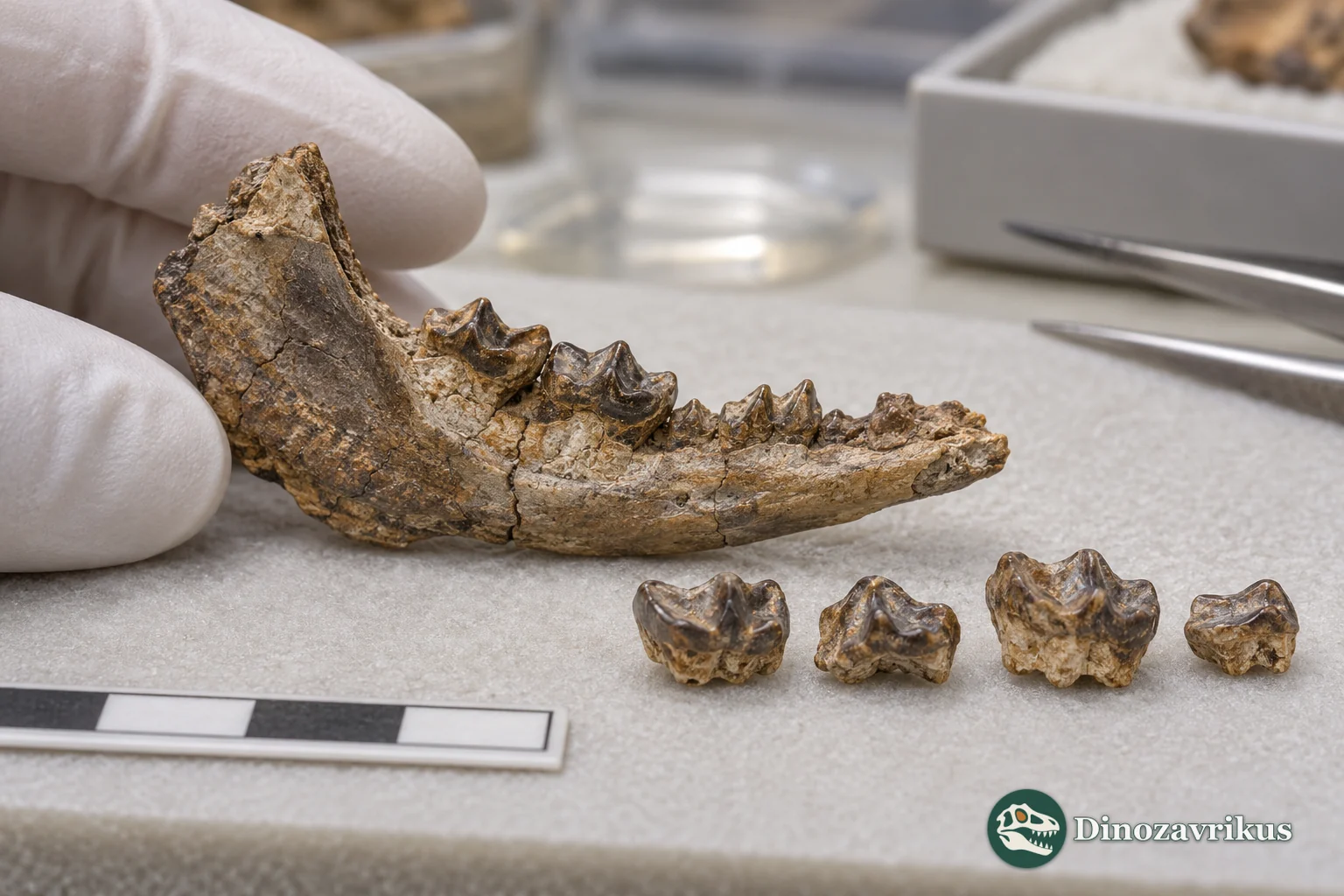
Gingerich described Aletodon gunnelli from a partial right dentary, UM 66301, preserving P4–M1, M3 and alveoli for M2. It documents dental anatomy, not a complete skull or body.
A. quadravus, A. conardae and A. gunnelli are distinguished through combinations of premolar and molar characters and their stratigraphic contexts. A. mellon is based on a fragmentary tooth and was treated as a nomen dubium by Secord.
The genus is associated with several North American Paleocene land-mammal intervals. Each locality has its own stratigraphic context; a biochronological name is not an exact date for every specimen.
The 1977 description called Aletodon a hyopsodontid. Zack and colleagues included it in Apheliscidae in their 2005 phylogenetic revision. The difference reflects changing hypotheses, not a new fossil type.
The name and type specimen
Philip Gingerich established Aletodon in 1977 while describing A. gunnelli from Clarkforkian deposits in Wyoming. The species name honours researcher George Gunnell. The holotype, UM 66301, is a partial right dentary: P4, M1 and M3 are preserved, while alveoli mark the position of M2. This specimen anchors the name and documents part of the diagnostic dentition, but it is neither a skull nor an associated skeleton.
Later work on the Bighorn Basin fauna recorded additional specimens from several localities, including a partial maxilla, UM 108581. These finds extend the record through separate horizons. They should not be treated as one animal or one population, and their identifications depend on comparing isolated dental material.
Species and changing classification
Besides the type species, the genus includes named forms such as A. quadravus and A. conardae. Their diagnoses compare premolar and molar proportions, cusp development and crest positions, alongside the age and locality of each sample. Wear matters: a heavily worn crown can obscure features visible in a younger individual, so apparent differences must be evaluated against age-related variation.
A. quadravus was described from older late Paleocene deposits; its type is University of Michigan specimen UM 82024. A. conardae was named from Fort Union Formation material in Wyoming. Both are known from teeth rather than associated skeletons, making species boundaries dependent on which dental combinations are judged diagnostic.
Van Valen named A. mellon from a very incomplete molar. Ross Secord later considered the type insufficient to diagnose a species and treated the name as a nomen dubium. That conclusion concerns the taxonomic value of the surviving type, not whether an animal lived.
The original paper placed Aletodon in Hyopsodontidae. A 2005 phylogenetic analysis by Zack, Penkrot, Krause and Maas included it in Apheliscidae, a family-level arrangement that brought together apheliscines and several genera formerly placed among the informal “condylarths.” Higher relationships among early placental mammals remain debated, so family placement should be tied to the revision being followed.
What the teeth show
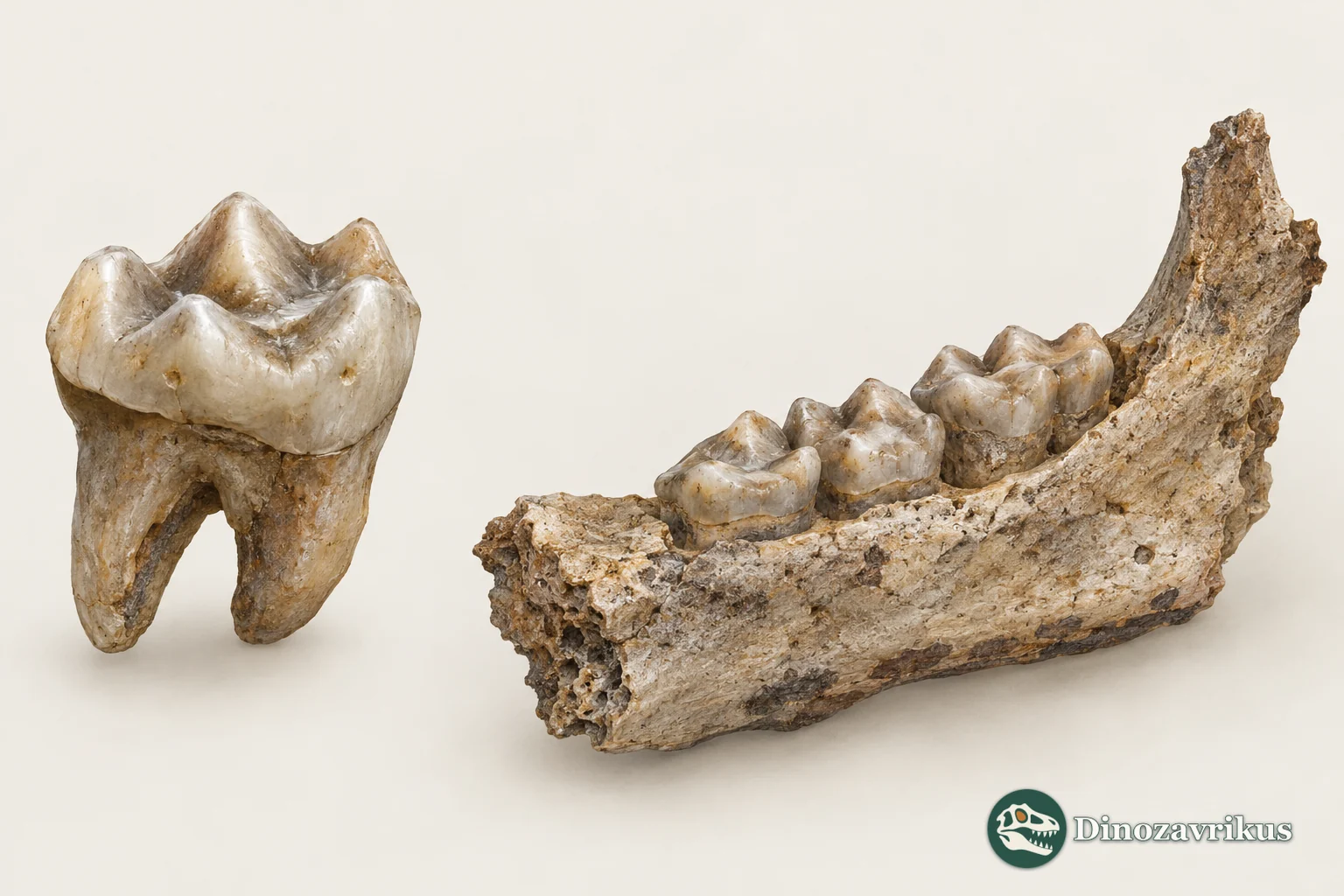
The premolars and molars carry cusps linked by ridges. Researchers compared relative tooth sizes, cusp height, the development of the talonid and the position of the metaconid. These features help distinguish species and compare Aletodon with apheliscids and hyopsodontids. Similar dental structures also occur in different early placental lineages, so one feature alone is not proof of close ancestry.
Fossil teeth sometimes inspire dietary hypotheses, but no stomach contents or directly associated feeding traces are known for Aletodon. Crown form and wear can suggest how food was processed; they do not establish a precise menu or whether the animal was chiefly insect-eating, omnivorous or reliant on other small foods.
Age, geography and limits of reconstruction
Aletodon is documented in Paleocene localities in the western part of North America. The relevant faunas are described using regional land-mammal ages such as the Tiffanian and Clarkforkian. These are biochronological units based on changing mammal assemblages, not exact dates for individual bones.
A. quadravus occurs in older late Paleocene faunas, A. conardae is associated with Tiffanian assemblages, and A. gunnelli is characteristic of Clarkforkian deposits in the Bighorn Basin. It occurs in several local biozones, including those marked by Rodentia, Plesiadapis cookei and Copecion. This helps correlate sections but does not replace direct stratigraphic dating.
No known specimen preserves the full skeleton needed to estimate body mass, gait or proportions. Tooth measurements can compare related genera, but an exact body-mass figure would require a stated model and appropriate comparative sample. Fur, colour and behaviour shown in artwork are reconstructions, not observations from the fossils.
Frequently asked questions
When did Aletodon live?
Its fossils are Paleocene and come from several North American faunal intervals, including Tiffanian and Clarkforkian assemblages. The genus does not have one narrow date applicable to every specimen.
What is the Aletodon gunnelli holotype?
UM 66301 is part of a right lower jaw with several cheek teeth or their alveoli. It does not preserve a complete skull or skeleton.
How are Aletodon species distinguished?
Researchers compare proportions and structures of premolars and molars, while considering tooth wear and the stratigraphic context of each sample.
Is Aletodon’s diet known?
No precise diet is established. Tooth form supports functional hypotheses, but there are no direct feeding traces or stomach contents known for the genus.