

Algorachelus was a side-necked turtle genus that lived during the Cenomanian. Its type species was named from fossils found at Algora in central Spain. Comparisons of shell anatomy brought two more species into the genus, one from Israel and one from Utah.
Quick facts
| Group | Turtles, side-necked, bothremydids (Bothremydidae) |
|---|---|
| Age | Late Cretaceous (Cenomanian) |
| Region | Europe (Spain, Portugal), Asia (Israel), North America (United States) |
| Type species | Algorachelus peregrina |
| Holotype | ALG 1, carapace |
| Scientific name | Algorachelus |
| Diet | Exact diet unknown |
What can the fossils tell us?
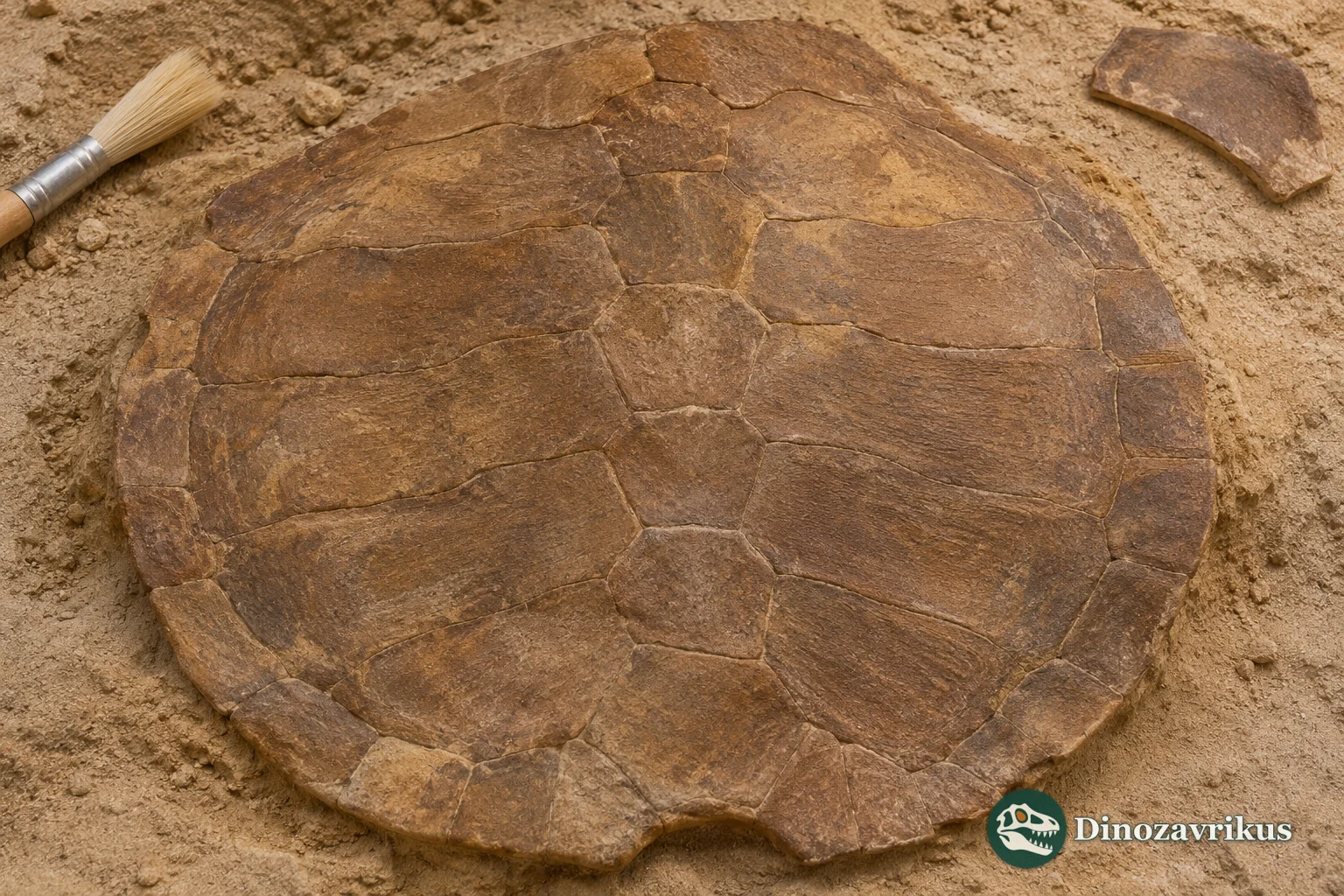
ALG 1, the holotype, is a carapace. Other turtles from the same site preserve the upper and lower portions of the shell together.
Specimens EY793 and EY797 preserve parts of the skull of Algorachelus parva and add anatomical evidence to a species once identified mainly by its shell.
The North American species is represented by a shell. Its skull has yet to be described.
The material from Algora
Adán Pérez-García described the type species in 2016 from a carapace, a partial skull and other fossils. A second excavation in November of that year recovered several virtually complete shells. The Algora material is held at the Museum of Palaeontology of Castilla-La Mancha in Cuenca.
Articulated fossils show how much the bones and scute boundaries could vary within the same species. They also record different stages of disarticulation. Some shells have lost bones around the rim, while in others the lower shell separated from the carapace.
Three species and two former names
The turtle from Ein Yabrud was first called Podocnemis parva. The Utah turtle was initially placed in the genus Paiutemys. Both were moved to Algorachelus in 2018 after a comparison of their shells. Later work on two Israeli skulls provided an anatomical description of the head of A. parva.
The Spanish species is also recorded in Portugal. The Iberian, Israeli and Utah faunas establish a wide distribution for the genus during the Cenomanian. They leave the precise routes of dispersal open. Foxemys, another European bothremydid, is known from younger Cretaceous deposits.
Life around the coast
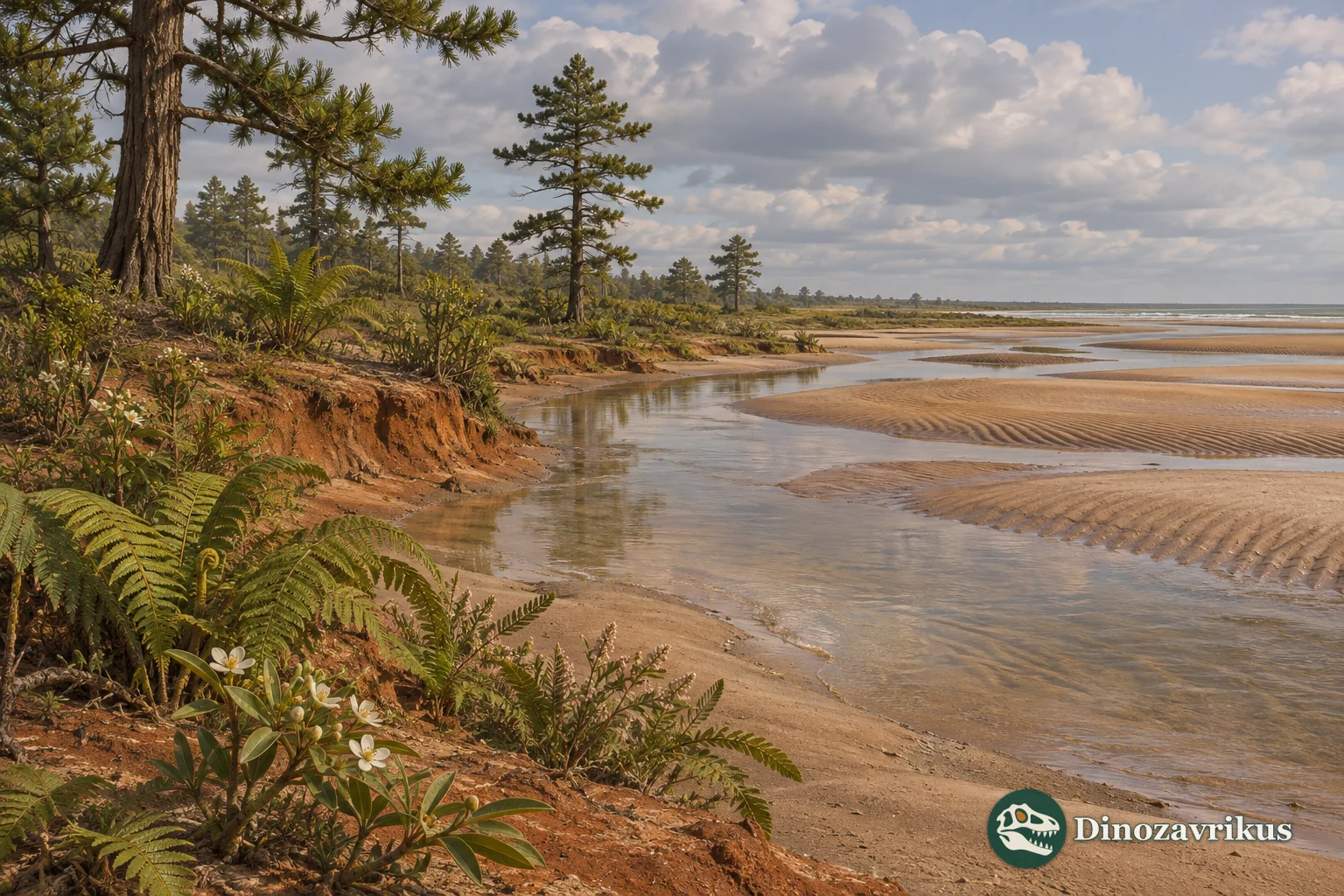
The material from Algora has been interpreted as a coastal turtle. The shells occur in sandstone beds with erosion surfaces at their bases. Well-articulated shells and scattered plates occur in the deposit, giving a view of what happened to the carcasses after death. How the turtles fed and whether they spent extended periods in open water remain unknown.
Frequently asked questions
When did Algorachelus live?
The described species come from the Cenomanian, the first stage of the Late Cretaceous.
What is the holotype of the type species?
ALG 1 is a carapace from Algora in the Spanish province of Guadalajara.
Why is the name Paiutemys used in older papers?
It was the original genus name for the Utah turtle, which was later moved to Algorachelus.
What did Algorachelus eat?
Its diet remains unknown. Shells document anatomy and sediments help identify the setting.