

Anatolemys was a Late Cretaceous turtle from Central Asia. Most referrals rest on individual bones from the upper shell. Finds from Tajikistan, Uzbekistan and Kazakhstan preserve different parts of the carapace, limiting the anatomical comparisons that can be made.
Quick facts
| Group | Turtles, traditionally classed as macrobaenids (Macrobaenidae) |
|---|---|
| Age | Late Cretaceous (Cenomanian to early Campanian) |
| Region | Asia (Tajikistan, Uzbekistan, Kazakhstan) |
| Type species | Anatolemys maximus |
| Holotype | PIN 2398/501, nuchal bone of the carapace |
| Scientific name | Anatolemys |
| Diet | Exact diet unknown |
What can the fossils tell us?
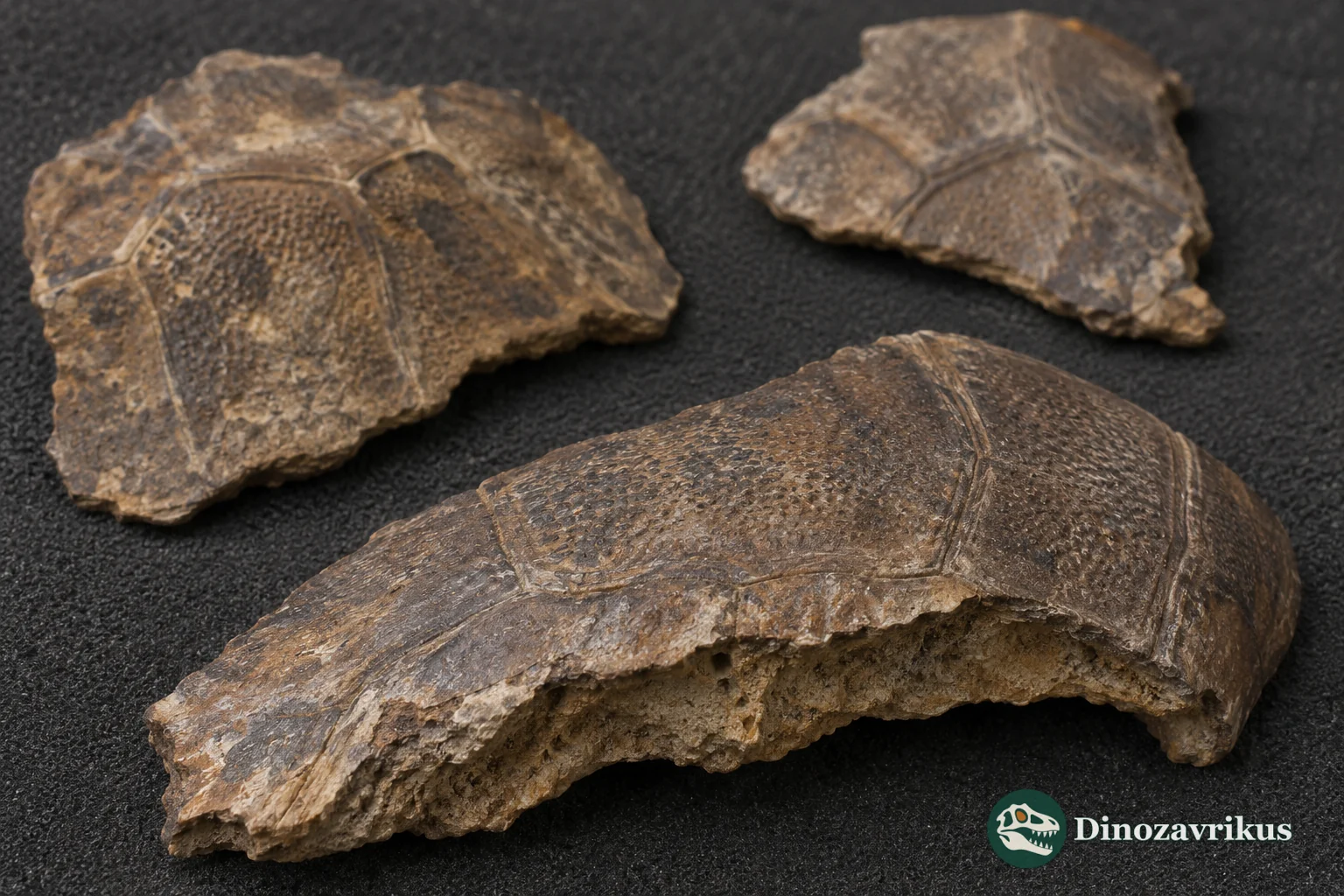
The type species is anchored by PIN 2398/501, a nuchal bone from Tajikistan. This bone occupies the middle of the carapace at its front edge.
The second species is based on a peripheral bone from Cenomanian beds in Uzbekistan. Thickness and scute boundaries help identify it.
Part of a nuchal from the Bostobe Formation of Kazakhstan was referred to Anatolemys. The fragment could not be assigned to a species.
Two species named from different bones
Lev Nessov introduced the genus and its two species in 1977, working with Lev Khosatzky. The type species, Anatolemys maximus, comes from Kansai in Tajikistan. Its holotype is the nuchal, a bone at the centre of the front of the carapace. Anatolemys oxensis was based on a peripheral bone from Cenomanian beds at Khodzhakulsay in Uzbekistan.
The researchers compared the thickness of peripheral bones and the course of grooves left by the horny scutes. The original diagnosis recorded that the second rib entered the third peripheral bone. At Shakh-Shakh in Kazakhstan the relevant fossil is only part of a nuchal. The authors left its species open.
How much does the shell tell us about habitat?
Anatolemys has traditionally been placed among the macrobaenids, extinct turtles long compared on the basis of their shells. More complete shells, like those of Ordosemys, preserve the outlines of several bones together and show how they meet.
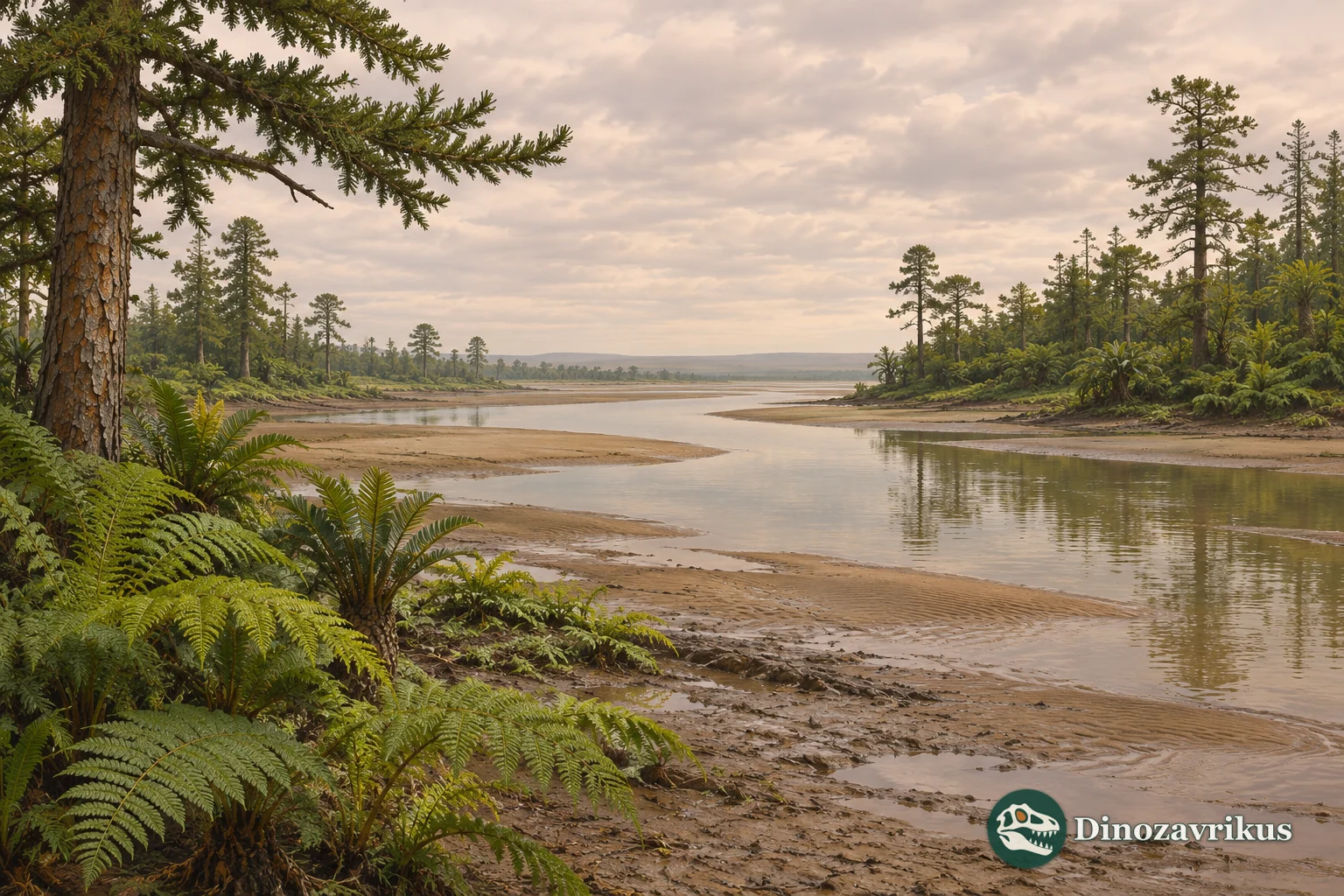
The sediments and associated fauna led researchers to suggest that Anatolemys used open parts of estuaries, where rivers meet the sea. This remains a hypothesis about habitat. Isolated shell pieces give little purchase on swimming style, total shell length or what the turtle ate.
Frequently asked questions
Where was the type species found?
It comes from Kansai in Tajikistan. Its holotype is the nuchal bone PIN 2398/501.
Where does the second species come from?
Anatolemys oxensis is based on a peripheral bone from Khodzhakulsay in Uzbekistan.
What has been found in Kazakhstan?
Part of a nuchal bone from Shakh-Shakh was referred to the genus. Its species remains uncertain.
Was Anatolemys a sea turtle?
An estuarine habitat has been proposed. Its ability to tolerate marine conditions remains unknown.