

Annemys is a genus of Jurassic turtles from Asia. The two named species at Shar Teg in Mongolia are most readily told apart by their skull proportions. Material assigned to a third species in Siberia extends the record back into the Middle Jurassic.
Quick facts
| Group | Turtles, xinjiangchelyids (Xinjiangchelyidae) |
|---|---|
| Age | Middle and Late Jurassic |
| Region | Asia (Mongolia and Siberia, Russia) |
| Type species | Annemys levensis |
| Holotype | PIN 4636-4, partial skeleton with skull and shell |
| Scientific name | Annemys |
| Diet | Exact diet unknown |
What can the fossils tell us?
The type of A. levensis, PIN 4636-4, preserves the skull, mandible, shell and parts of the limbs and girdles from one individual.
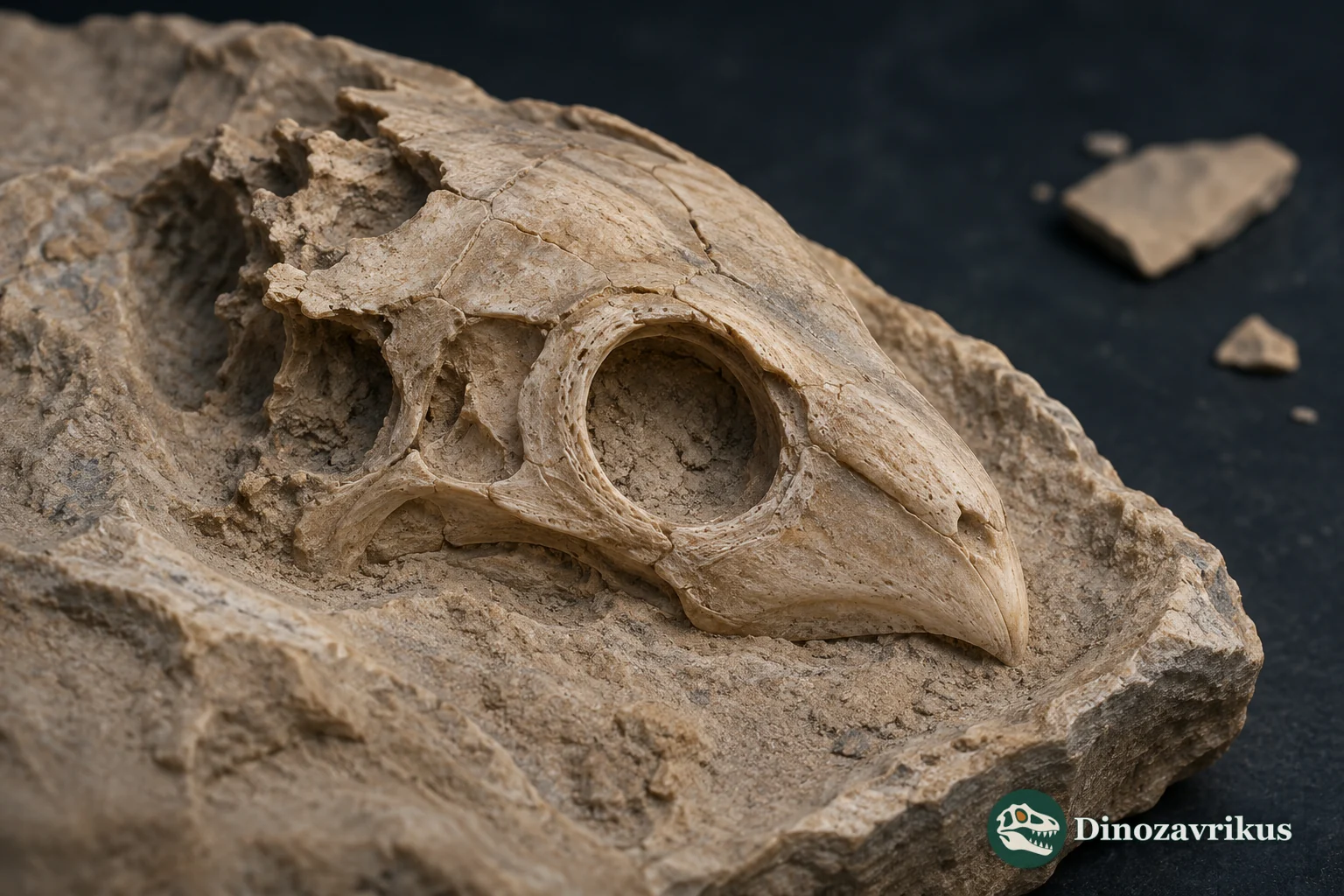
The relatively long, narrow skull PIN 4636-6-2 is referred to A. latiens. A. levensis has a broader head.
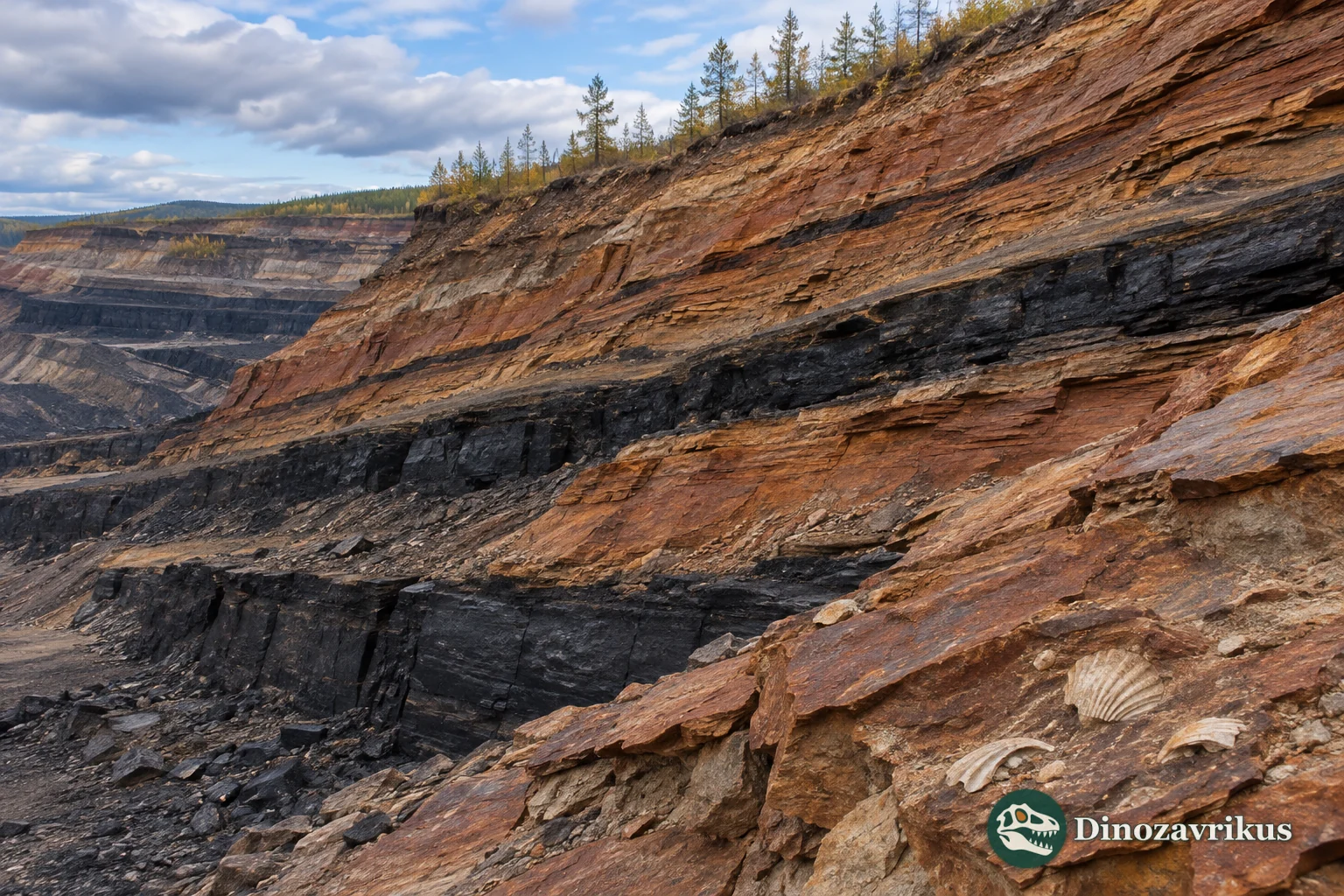
A. variabilis comes from the Itat Formation at the Berezovsk coal mine. The beds are Middle Jurassic, earlier than the Shar Teg record.
The finds at Shar Teg
Vladimir Sukhanov and Purev Narmandakh formally named Annemys in 2006. Its type species, A. levensis, is based on PIN 4636-4 from Late Jurassic beds at Shar Teg, southwestern Mongolia. The fossil includes a skull and lower jaw as well as parts of the shell, limbs and girdles.
The holotype of A. latiens, PIN 4636-5, includes a shell and incomplete skull material. The more informative skull PIN 4636-6-2 was associated with another shell. Both species had low, roughly oval carapaces. Their assignment to the same broad interval at Shar Teg leaves their precise overlap in time unresolved.
What a narrow head might tell us
Márton Rabi and colleagues redescribed the Mongolian material in 2014. The skull of A. latiens is proportionally elongate and narrow, whereas that of A. levensis is broader. The team compared the slender shape with that of some living turtles that catch fish and proposed that the two species might have fed in different ways. Their diets remain unknown.
Studies have compared these turtles with Xinjiangchelys, another Jurassic genus. How the skull and shell characters are grouped in an analysis affects where the boundary between the genera is drawn.
An earlier record in Siberia
In 2022, E. M. Obraztsova and colleagues described A. variabilis from the Bathonian Itat Formation at the Berezovsk coal mine in Krasnoyarsk Krai, Russia. The collection includes thousands of isolated elements and some more complete specimens. The series helped document how shell details vary among individuals.
Several phylogenetic analyses explored where the Siberian animal fits. Its precise placement varied with the data and method. Some results united it with the Mongolian species, supporting the referral while leaving aspects of the relationships open.
Frequently asked questions
Where was the type species found?
It came from Late Jurassic beds at Shar Teg in southwestern Mongolia.
Which species had the narrower skull?
Annemys latiens had the proportionally narrower head. The type species, A. levensis, had a broader one.
Did Annemys eat fish?
Fish eating was suggested for A. latiens by comparison with living turtles. The fossils provide no direct dietary evidence.
Which species was found in Siberia?
Annemys variabilis was described from Middle Jurassic beds of the Itat Formation at the Berezovsk coal mine.