

Argillochelys is an Eocene sea turtle first known from the London Clay. Its fossil skulls preserve both the grooves of the bony roof and details of the palate. Those features help distinguish English species and have also allowed researchers to identify relatives and material of the same genus farther east.
Quick facts
| Group | Turtles, sea turtle lineage (Pan-Cheloniidae) |
|---|---|
| Age | Eocene, Ypresian to Bartonian in the described record |
| Region | Europe: UK and Ukraine. Asia: Kazakhstan |
| Type species | Argillochelys antiqua |
| Type species holotype | NHMUK PV OR 49465, partial skull |
| Scientific name | Argillochelys |
| Diet | No direct evidence |
What can the fossils tell us?
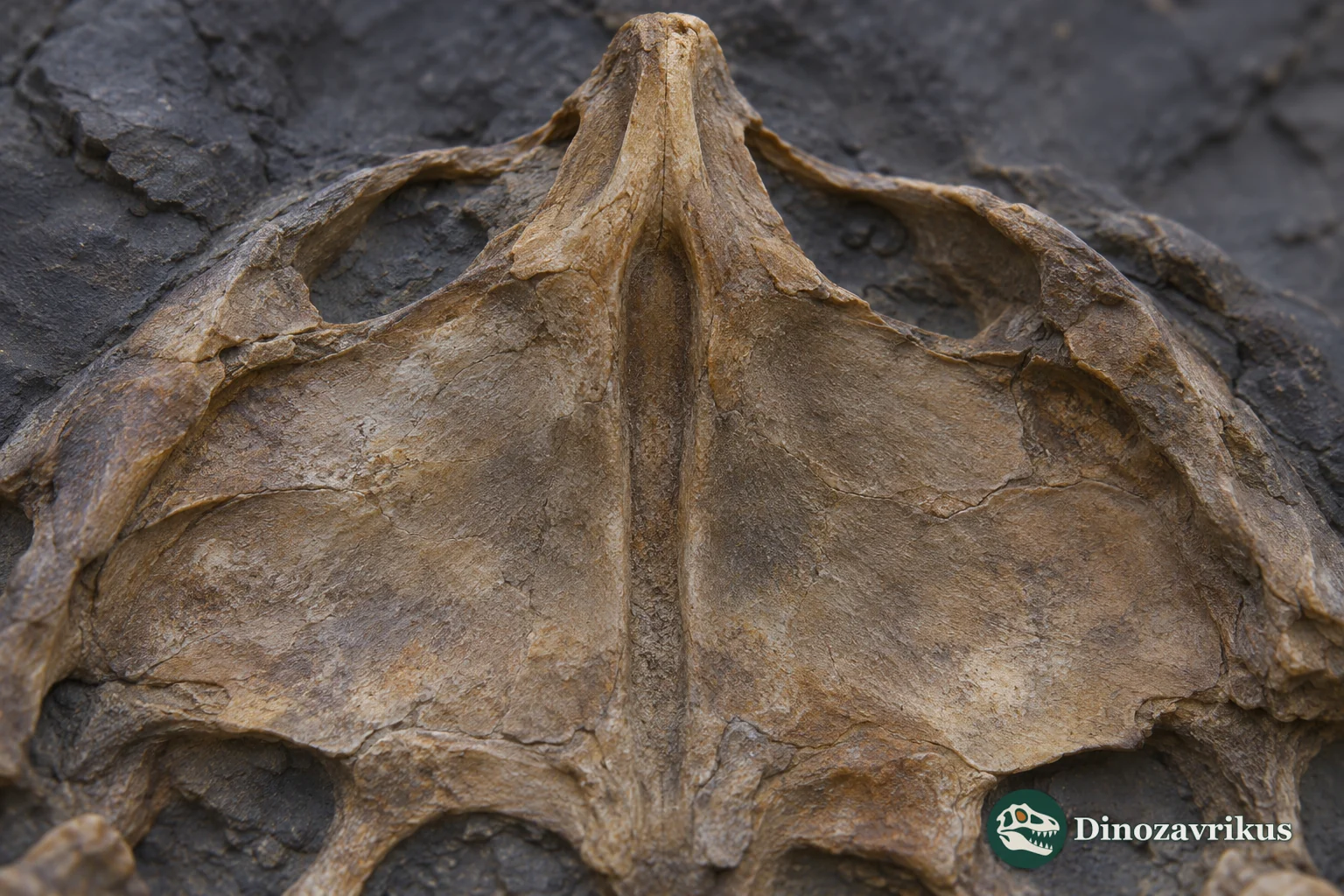
Three posterior parietal scutes were described on the compared Argillochelys antiqua skulls. The type of A. cuneiceps has one. The palate provides further checks on the identification.
A comparatively short secondary palate and broad contact between the vomer and palatines are useful in comparisons. They do not establish the exact diet.
Material from Vyshhorod was referred to A. antiqua. A skull and two front ends of lower jaws from Kazakhstan form the basis of the separate species A. foveopalatus.
Two London Clay turtles
Charles König named Chelone antiqua in 1825. Richard Lydekker used Argillochelys for it in 1889. The Natural History Museum in London holds the type skull of A. antiqua, NHMUK PV OR 49465, and that of A. cuneiceps, NHMUK PV OR 41636.
Comparison of the specimens identified three posterior parietal scutes in A. antiqua and one in the type of A. cuneiceps. The boundaries show up as grooves in the roof bone. An early published drawing missed a division farther forward on the skull of A. cuneiceps, illustrating why the original specimen matters.
Palatal clues and the limits of shell material
The moderately developed secondary palate includes a roughly angular vomer in broad contact with the palatines. This anatomy allows comparisons with other marine turtles in the London Clay, such as Puppigerus.
No shell was found in direct association with the type skull of A. cuneiceps. The shell historically named Chelone convexa has been linked to it, but later comparisons could not confirm the association. Isolated plates cannot reliably supply a species identification on that basis.
The record in Ukraine and Kazakhstan
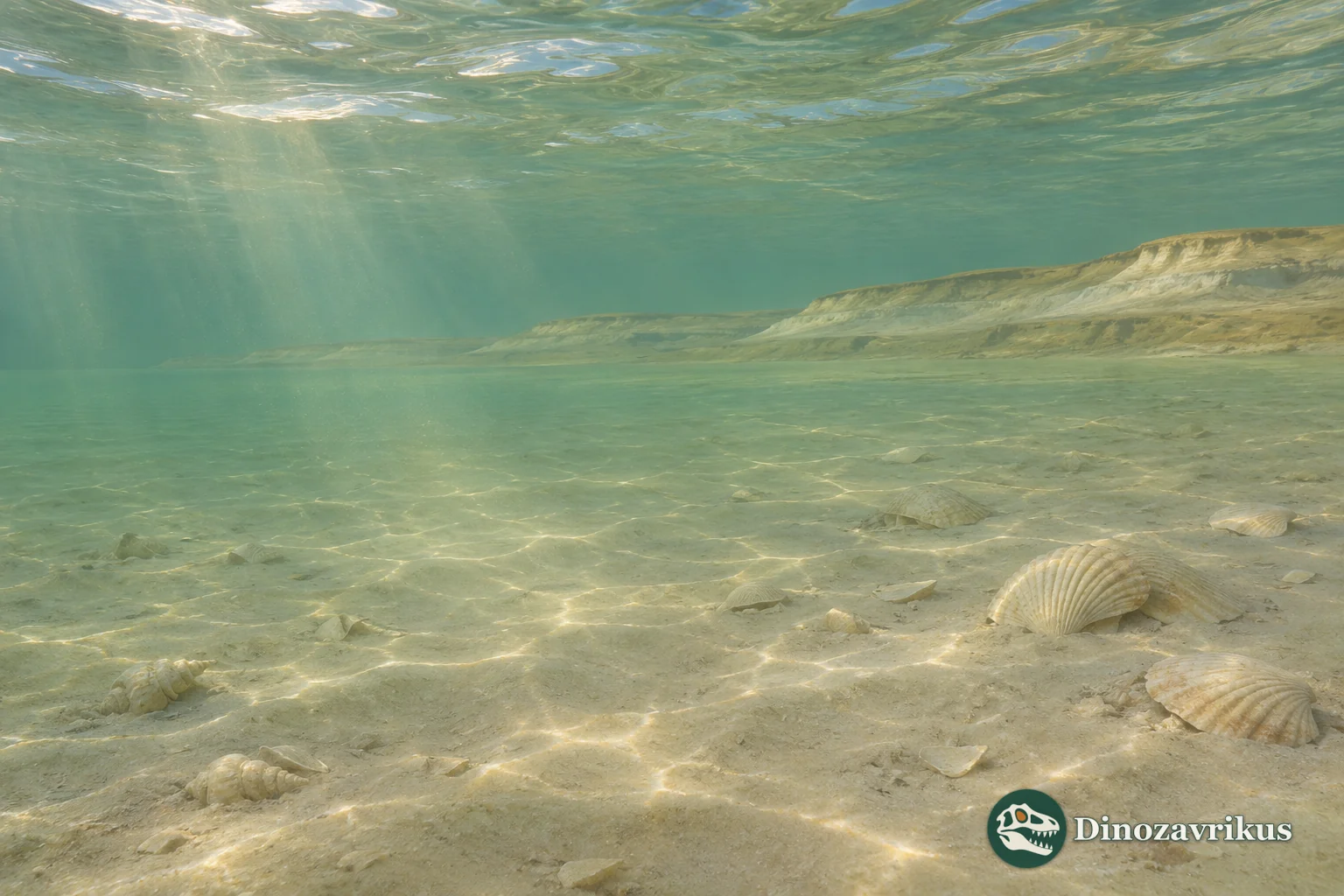
Cranial and shell remains from the Eocene Kiev clays at Vyshhorod, Ukraine, were referred to A. antiqua. In 2026 Igor Danilov and colleagues named A. foveopalatus from a partial skull and front portions of two lower jaws from the Mangyshlak Peninsula. Some of the material comes from Bartonian deposits of the Shorym Formation.
The Kazakh species has a suture dividing the palatine bone in two. Its describers found no equivalent arrangement in other known pan-cheloniids. Together with other palatal features, this distinguishes the Mangyshlak material from the English species.
Frequently asked questions
What distinguishes the two English species?
The type of A. cuneiceps shows one posterior parietal scute where three were described in A. antiqua. Palatal details offer additional distinctions.
Is a shell known from the type of A. cuneiceps?
No shell is securely associated with that skull. A historical referral of an isolated shell remains unconfirmed.
Where else has the genus been reported?
A. antiqua has been identified in Ukraine near Vyshhorod, and A. foveopalatus was described from the Mangyshlak Peninsula in Kazakhstan.
How is the Kazakh species different?
A suture divides the palatine in two. The describers regarded this anatomy as unique among known members of the pan-cheloniid lineage.