

Bairdemys was a Miocene side-necked turtle known from skulls and shells around the Caribbean. Its palate offers clues to the kinds of food its jaws could process. Evidence for nesting is more indirect: a shell referred to the genus lay close to one cluster of fossil eggs in Venezuela.
Quick facts
| Group | Turtles, side-necked podocnemidids (Podocnemididae) |
|---|---|
| Age | Miocene |
| Region | North America (Puerto Rico) and South America (Venezuela) |
| Type species | Bairdemys hartsteini |
| Holotype | AMNH 27222, skull without the lower jaw |
| Scientific name | Bairdemys |
| Diet | Jaw shape suggests it could crush hard foods. Exact diet unknown. |
What can the fossils tell us?
The Cibao Formation skull has a notch at the tip of the snout. The related Venezuelan B. venezuelensis lacks that notch.
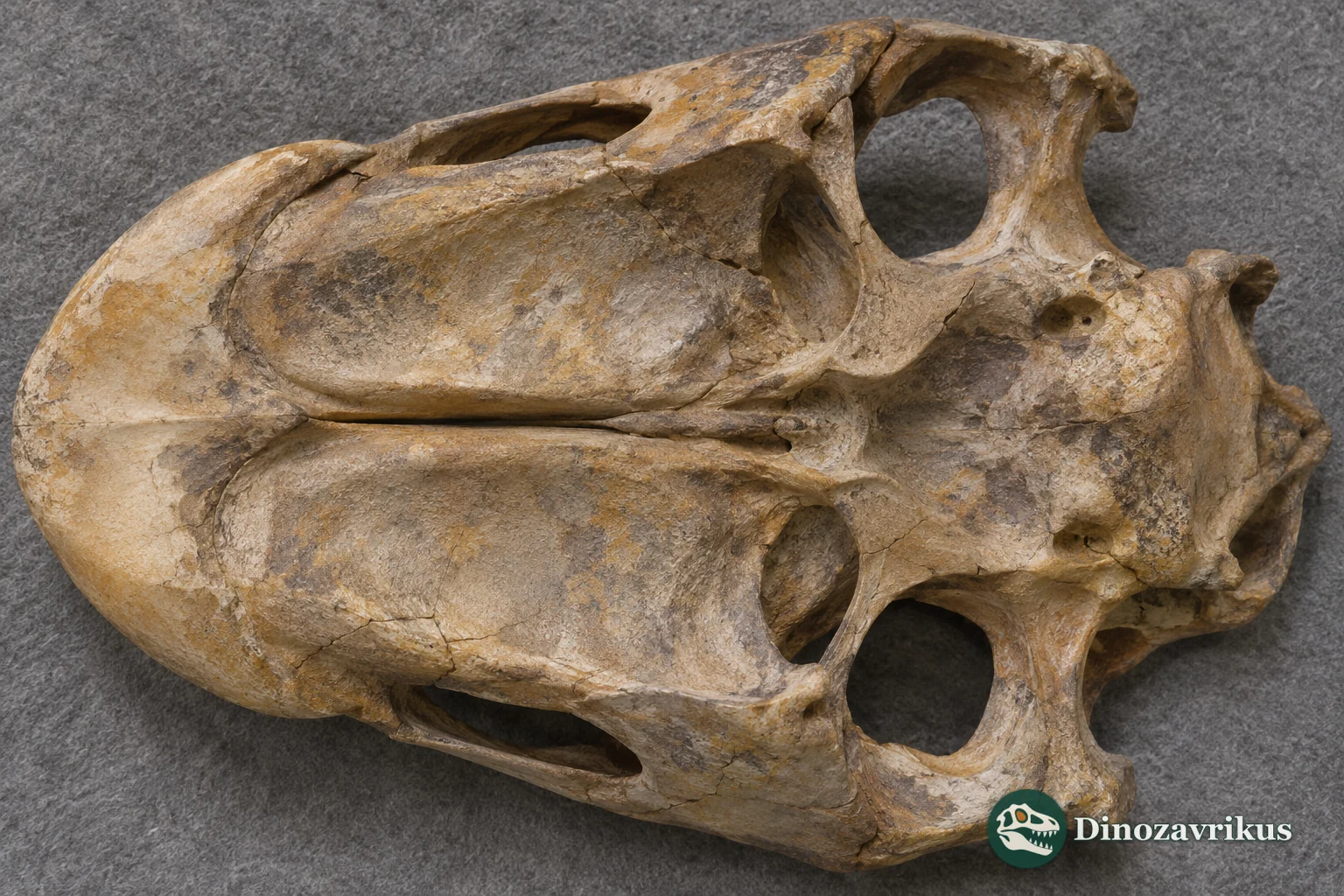
Broad areas of the secondary palate could take the load when the jaws closed. Their form can be compared with that of living turtles.
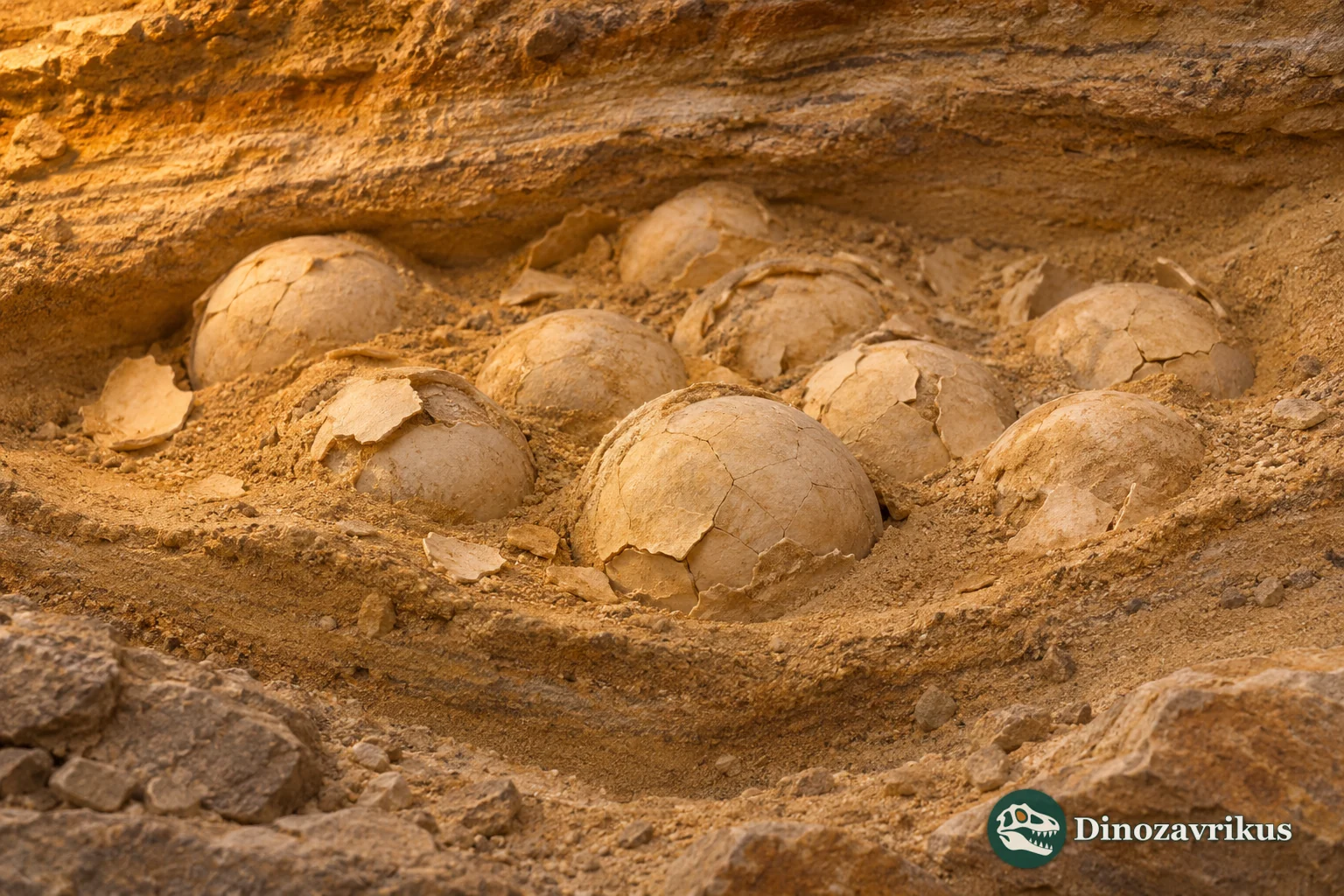
A shell and an egg cluster were recovered next to one another in the same bed at Urumaco. Their proximity supports a possible link.
The skulls that define the genus
Eugene Gaffney and Roger Wood named the genus in 2002. The type skull, AMNH 27222, came from the Cibao Formation of Puerto Rico. Its relatively high skull and notch at the tip of the snout help distinguish Bairdemys hartsteini from B. venezuelensis. The latter, from the late Miocene Urumaco Formation, lacks the notch and has deeper depressions at the back of the chewing surfaces.
Another Venezuelan species, B. thalassica, is based on IVIC-P-2908, an unusually undistorted skull from the middle Miocene Capadare Formation. Its preservation makes fine comparisons of the palate possible. The marine deposits that held the specimen provide evidence for life in coastal or marine waters.
What the palate could do
The secondary palate broadened the areas that took the load as the jaws closed. A cleft remained between the right and left sides. Researchers compared fossil and living turtle jaws using measurements of shape and found evidence that these turtles could process hard foods. The comparison cannot identify individual prey. Urumaco also preserves another podocnemidid, the giant freshwater turtle Stupendemys, part of the diverse turtle fauna of these deposits.
The egg clusters at Urumaco
The Domo de Agua Blanca locality yielded clusters of fossil turtle eggs and eggshell. A shell assigned to B. venezuelensis came from the same bed, close to one cluster. The authors suggested that these turtles may have nested together on beaches. The fossil association provides a clue to the parent, with the identity of the egg layer still uncertain.
Frequently asked questions
What is the type species?
Bairdemys hartsteini. Its type is a skull from Puerto Rico.
What does the palate reveal about feeding?
The shape of its chewing surfaces is consistent with crushing hard food.
Where else are skulls known?
Venezuelan fossils include material from the Urumaco and Capadare formations.
Can the eggs be assigned to this turtle with certainty?
Their association with a Bairdemys shell suggests a connection. The egg layer remains uncertain.