

Bothremys was a side-necked turtle with deep paired depressions in the surfaces its jaws used to process food. A fragment showing one such depression led researchers to reidentify an Alabama skull. Other species are known from Jordan and Morocco, where the fossils broaden the record of the genus.
Quick facts
| Group | Turtles, side-necked bothremydids (Bothremydidae) |
|---|---|
| Age | Late Cretaceous, Paleocene and early Eocene |
| Region | North America (USA), Africa (Morocco) and Asia (Jordan) |
| Type species | Bothremys cooki |
| Holotype | AMNH 2521, skull and lower jaw |
| Scientific name | Bothremys |
| Diet | Exact diet unknown |
What can the fossils tell us?
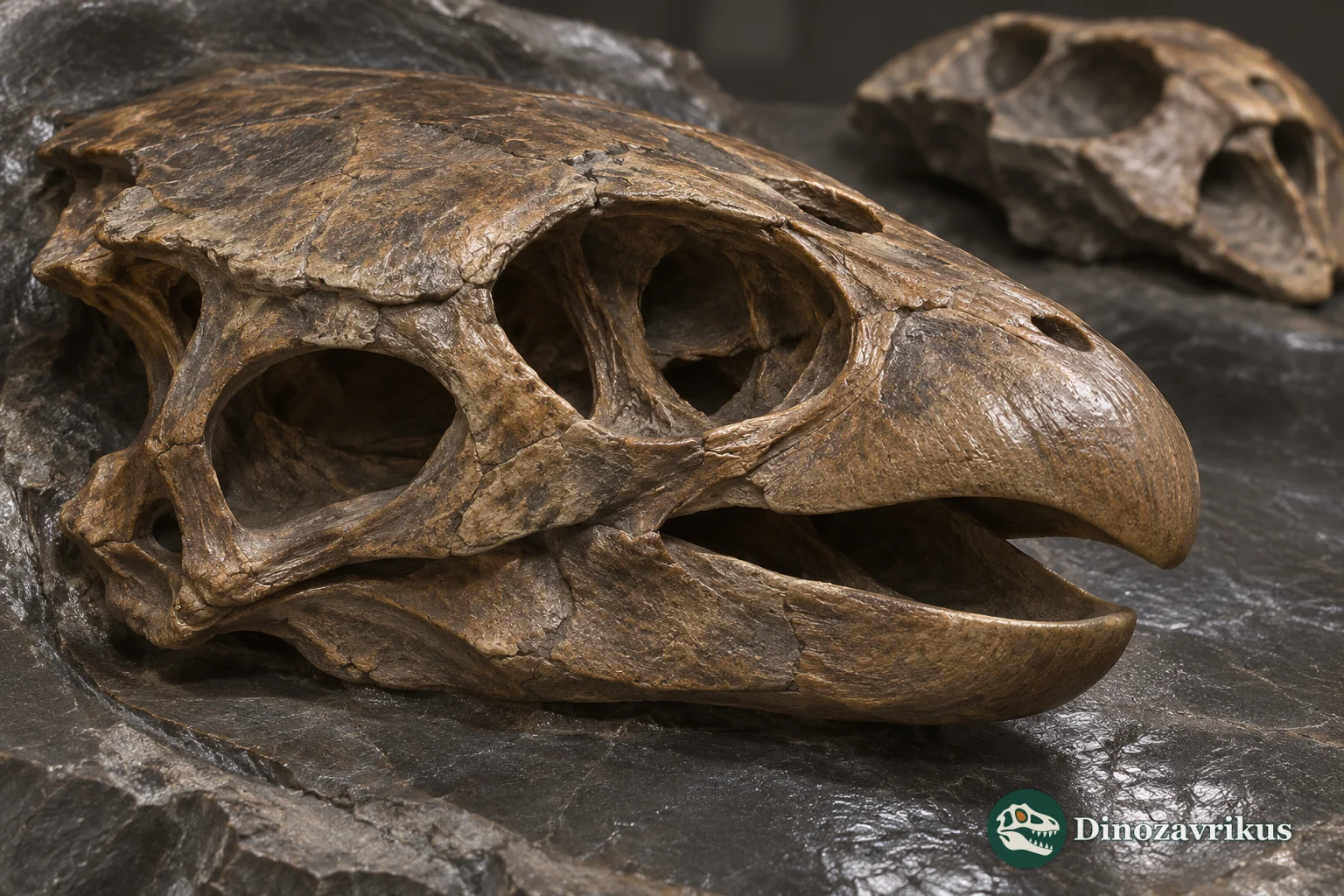
The New Jersey type preserves parts of the skull and lower jaw. Both retain features of the areas that took the load during biting.
Part of a large pit preserved on a piece of the upper jaw and cheek led to the reclassification of FMNH PR 247.
The North American and Jordanian material is Late Cretaceous. Finds in Morocco extend the genus into the Paleogene.
The fossil that gave Bothremys its name
Joseph Leidy named Bothremys cooki in 1865. The type, AMNH 2521, includes a partial skull and a lower jaw from New Jersey. It is attributed to the Late Cretaceous. Eugene Gaffney and Rainer Zangerl redescribed the specimen in 1968 and documented the bones surrounding the pits.
The toothless jaws bear surfaces that slope into a deep depression on each side. The extent and position of these pits help distinguish different bothremydids. Their shape alone leaves open what the animal was eating.
Re-examining the Alabama specimen
Specimen FMNH PR 247 from the Mooreville Chalk preserves an associated shell and parts of a skull. It was first referred to Chedighaii barberi. A later comparison recognised a piece of the upper jaw and cheek that forms part of a deep chewing pit. The authors reassigned the fossil to Bothremys and left its species unresolved. In the type species of Chedighaii, the comparable surface is flat.
The genus across time and seas
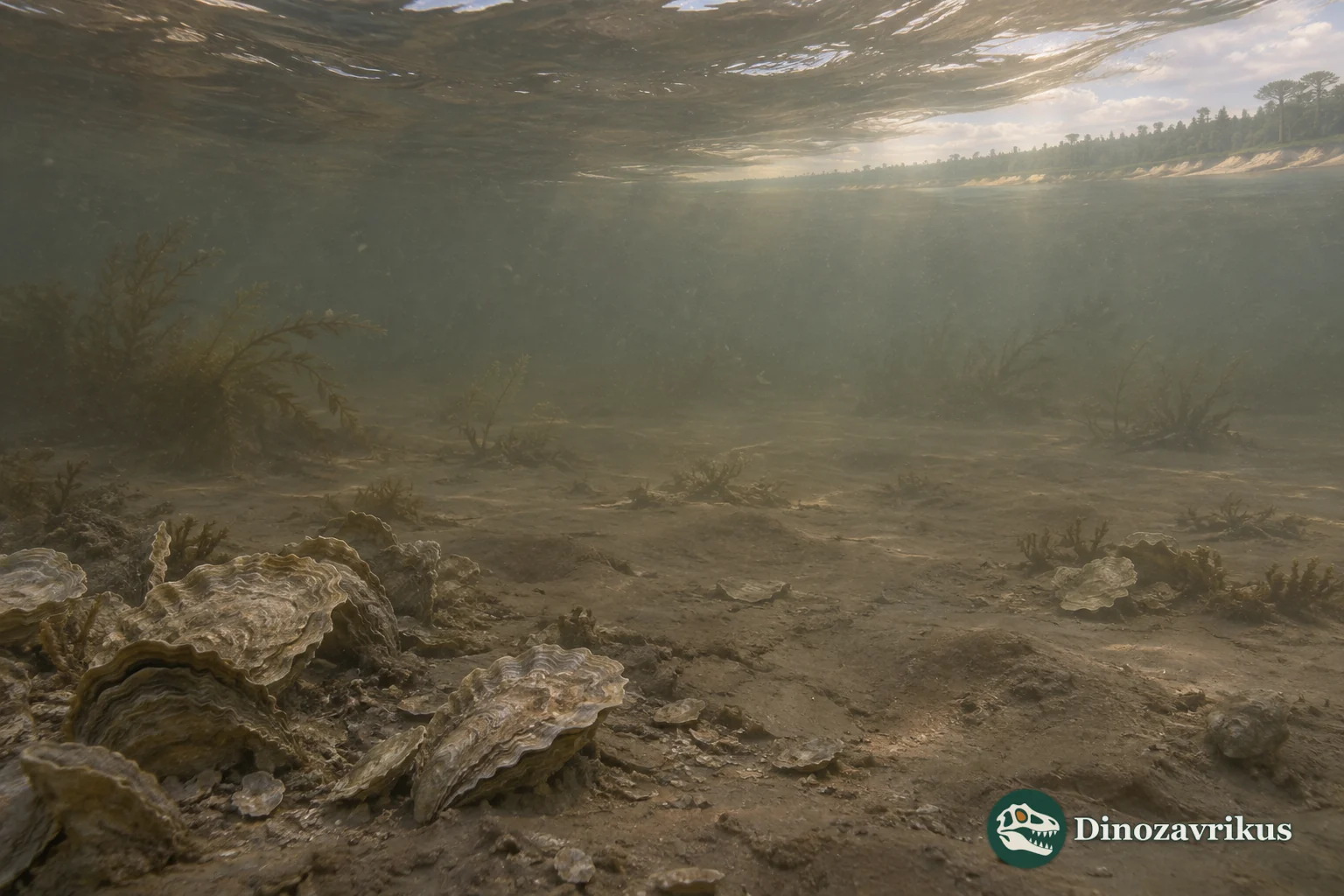
The Jordanian B. arabicus is Santonian. B. cooki is known from Campanian and Maastrichtian deposits in eastern North America. Morocco records B. maghrebiana in the early Paleocene and B. kellyi in the early Eocene. The Moroccan skulls show that the genus persisted after the end of the Cretaceous.
Frequently asked questions
How is the turtle identified?
The skull and jaws have deep pits in the surfaces that processed food.
Where was the holotype found?
The New Jersey specimen is catalogued as AMNH 2521.
Which species does the Alabama specimen represent?
Its skull supports an identification as Bothremys. A species identification remains unresolved.
Did the genus survive the end of the Cretaceous?
Yes. Species have been identified in Paleocene and early Eocene deposits in Morocco.