

Centenariosuchus gilmorei was an early Miocene member of the caiman lineage. Excavations along the Panama Canal exposed the beds that yielded pieces of its head. The separate finds preserve different clues, from the shape of the eye sockets to the spacing of the teeth.
Quick facts
| Species | Centenariosuchus gilmorei |
|---|---|
| Group | Caimaninae |
| Age | Early Miocene |
| Locality | Hodges Hill, Cucaracha Formation, Panama |
| Holotype | UF 262800, partial skull and associated bones |
| Other specimens | Snout UF 245503 and dentary UF 281065 |
What can the fossils tell us?
The associated material includes isolated teeth, a neck vertebra and pieces of osteoderm, the bony plates embedded in the skin.
The fourth socket in the maxilla is the largest in that bone. A later find preserves part of the lower row for comparison.
The shape of the fossil-bearing bed and the limited wear suggest burial in a channel that occasionally carried water onto the floodplain.
Finds from the Panama Canal
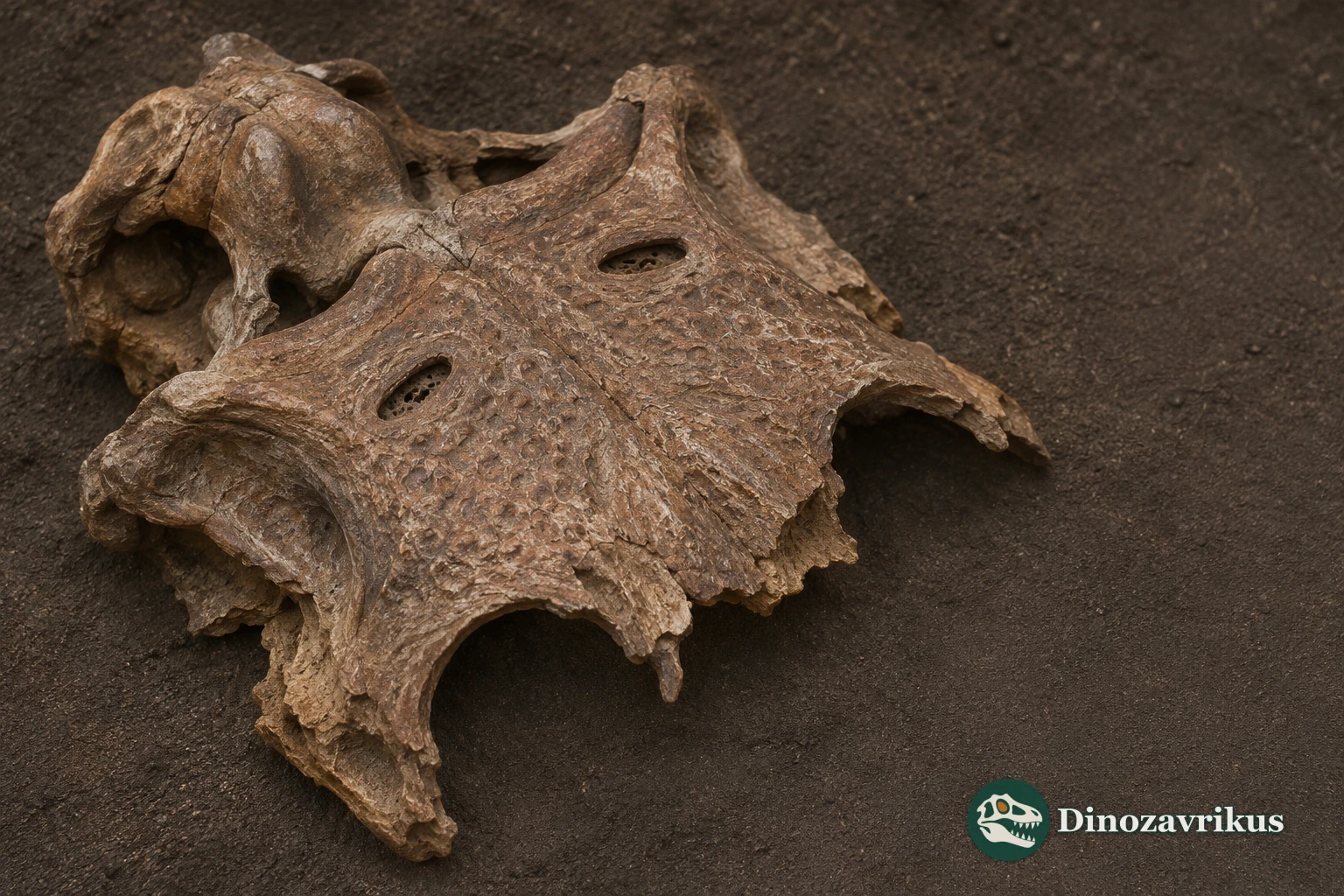
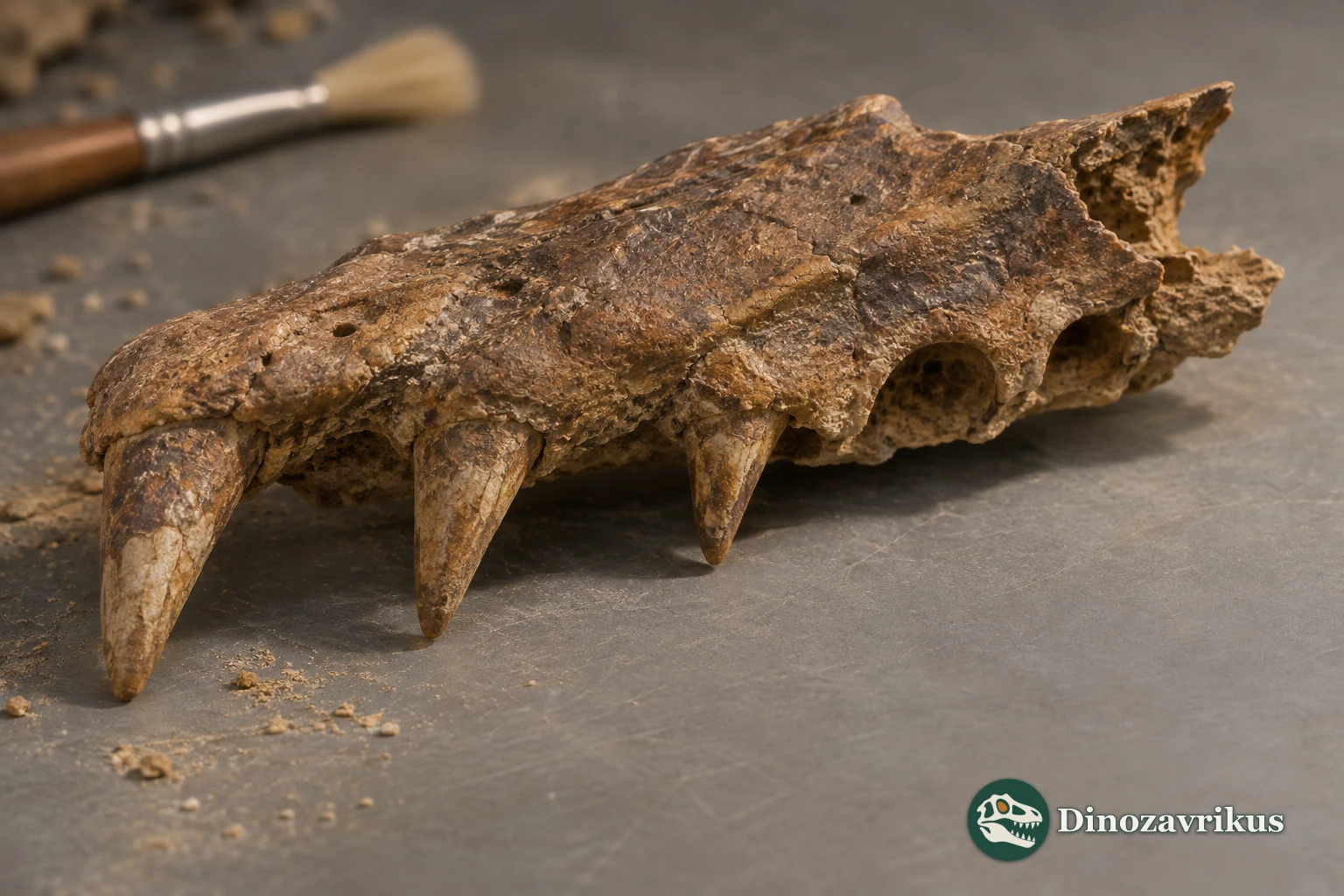
UF 262800 includes the braincase and part of the skull roof, isolated teeth, a neck vertebra and fragments of bony armour. UF 245503 is a partial snout with teeth. The fossils were collected in 2011 and 2009 respectively. Their similar size and proximity led the original authors to suggest that both may belong to one individual.
The genus name marks the 2014 centenary of the Panama Canal. The species name gilmorei honours Charles Gilmore, who published work on fossils from the canal in the early twentieth century.
Skull features that distinguish it
The inner edges of the eye sockets turn upwards, and the openings on top of the skull behind the eyes are constricted. The premaxilla has five tooth positions, and the fourth socket in the maxilla is larger than the others. These features in combination help distinguish Centenariosuchus from other fossil caimans and their relatives.
A later study identified part of a left dentary, UF 281065, also found at the site in 2011. The shapes and spacing of its sockets resemble those in the upper jaw and support assigning it to this species. The fragments leave total body length uncertain.
Burial in the Cucaracha Formation
The fossils are now dated to the early Miocene. They lay near the base of a bed in which sediment particles become finer upwards. The skull bones show little abrasion, consistent with limited transport before burial. The deposit offers a local picture of burial conditions.
Other crocodilian lineages occur in different deposits around the region. The Puerto Rican specimen of Aktiogavialis, for example, came from an older coastal delta.
Frequently asked questions
Was Centenariosuchus related to caimans?
Yes. It belonged to Caimaninae, the alligatorid lineage that includes living caimans.
Where were the fossils found?
They came from the Cucaracha Formation at Hodges Hill in the Panama Canal Zone.
What can the isolated dentary tell us?
Its sockets preserve the spacing of the lower teeth for comparison with the upper jaw.
Who was gilmorei named after?
Charles Gilmore, who studied fossils from the Panama Canal in the early twentieth century.