

Chasicotatus is an Argentine genus of fossil armadillos from the Late Miocene. Its record is unusual because bony armour plates, rather than a complete skeleton, provide most of the evidence used to recognise the animal and compare its named species.
The genus belongs in the ancient mammal catalogue alongside other mammals known from fragmentary material. Its osteoderms preserve useful anatomical and taxonomic information, while leaving much of its body and way of life uncertain.
Quick facts
| Scientific name | Chasicotatus Scillato-Yané, 1977 |
|---|---|
| Type species | C. ameghinoi |
| Group | Xenarthra, Cingulata; tribe Eutatini |
| Age | Late Miocene; some Arroyo Chasicó beds are dated to about 9.23 million years ago |
| Range | Argentina: Buenos Aires, La Pampa, Catamarca and Entre Ríos |
| Main evidence | Movable and fixed bony armour plates, or osteoderms |
| Known skeleton | No associated complete skeleton is known |
What can the fossils tell us?
A 2010 revision compared external ornament and internal structure across four named species. These features support identification, but isolated plates do not provide a complete skeleton.
The holotype of Chasicotatus ameghinoi is MLP 76-VI-12-11 from the Arroyo Chasicó area. The available description is based on armour; it does not preserve the animal’s full anatomy.
Late Miocene records come from several Argentine provinces and formations. A date measured for one Arroyo Chasicó level should not be applied to every fossil assigned to the genus.
A 2016 study reported round holes on two movable osteoderms and discussed a possible interaction with fleas. The interpretation concerns trace marks on fossil plates, not direct evidence of a particular infestation.
Name and type material
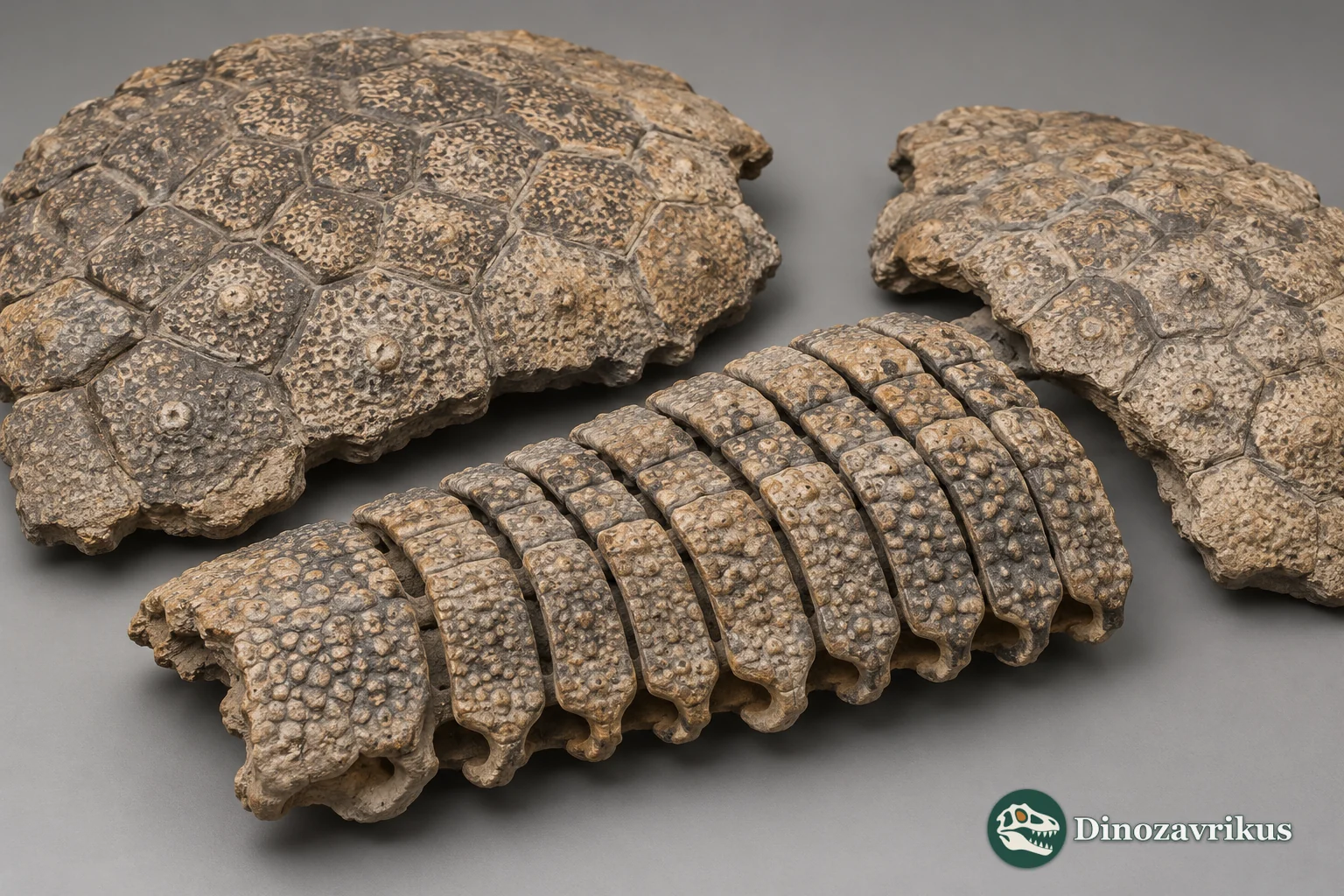
Scillato-Yané introduced Chasicotatus in 1977. Its type species is C. ameghinoi, named for armour material from the Arroyo Chasicó region of Buenos Aires Province. The holotype, MLP 76-VI-12-11, is a large portion of the carapace. The genus is therefore anchored by the structure of the armour rather than by a skull or an associated skeleton.
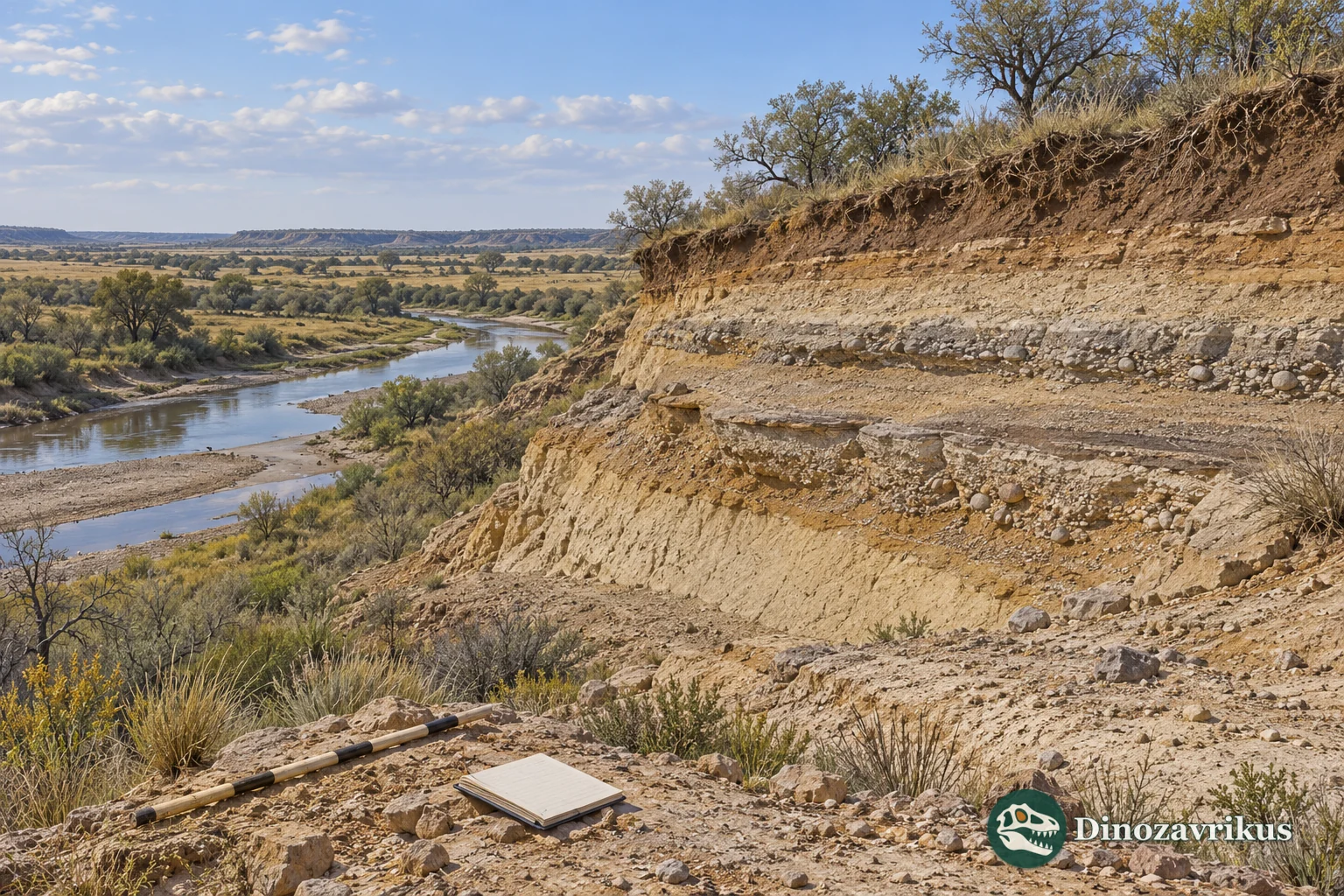
The locality belongs to the Arroyo Chasicó Formation. A radiometric estimate of 9.23 ± 0.09 million years applies to a studied level in the formation; it is not a direct date for every specimen or every species assigned to Chasicotatus.
Species and identification
A 2010 revision recognised four species: C. ameghinoi, C. peiranoi, C. powelli and C. spinozai. The authors compared the external ornamentation and internal structure of the plates. Differences among osteoderms can help distinguish species, but comparisons depend on plate position, preservation and the material available for each name.
Reports extend across Buenos Aires, La Pampa, Catamarca and Entre Ríos. These records come from separate localities and deposits. They should not be read as one population living across the whole region at one moment. A comparison with the profile of another extinct armadillo, Prozaedyus, also shows why each genus needs to be tied to its own fossil evidence.
What the armour shows
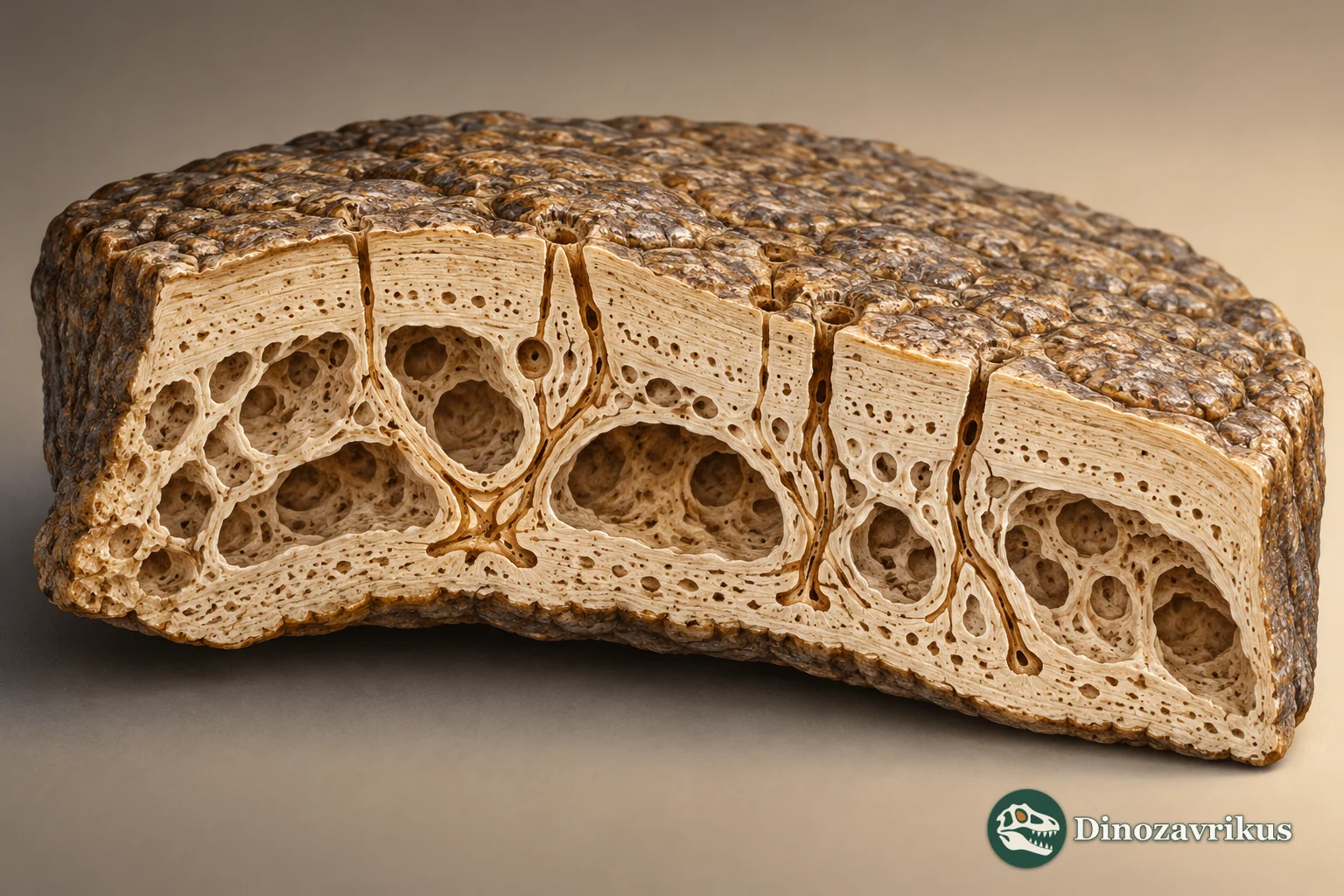
Osteoderms show that the animal carried a bony carapace with both fixed and movable elements. Their surface patterns and internal cavities are observable features. They do not, by themselves, establish the animal’s exact body outline, mass, gait or preferred habitat.
A 2016 study examined two movable osteoderms attributed to C. ameghinoi with small, rounded perforations. The authors discussed a possible flea-host interaction. This is a proposed explanation for trace marks on fossil plates; it does not identify a parasite species or show how common the interaction was.
Limits of reconstruction
The published material used here does not provide an associated complete skeleton. No robust body-length or mass estimate can be taken directly from a whole individual. A life reconstruction can use the general anatomy of armadillos as a comparison, but its details remain interpretive.
The secure picture is narrower: Chasicotatus was a cingulate mammal represented chiefly by diagnostic armour from several Argentine Late Miocene deposits. Its species are separated through osteoderm characters, and one study proposed that perforations on two plates may record an interaction with fleas.
Frequently asked questions
When did Chasicotatus live?
The genus is known from Late Miocene deposits. A date of about 9.23 million years applies to a studied level at Arroyo Chasicó, not automatically to every assigned specimen.
How many species are recognised?
A 2010 revision recognised four: C. ameghinoi, C. peiranoi, C. powelli and C. spinozai. Their distinctions rely mainly on osteoderm features.
Has a complete skeleton been found?
No associated complete skeleton is documented in the material summarised here. Armour plates provide most of the evidence.
Do holes in the armour prove that Chasicotatus had fleas?
Two movable osteoderms with small perforations were interpreted as possible evidence of a flea-host interaction. The trace interpretation is plausible but does not directly preserve a flea or establish how common the interaction was.