

Cheilocephalus was a Cambrian trilobite with a broad border on the tail shield. One Tennessee fossil preserves the head and nine trunk segments. An isolated tail shield from Newfoundland pushed back the known record of the genus.
Quick facts
| Group | Cheilocephalid trilobites |
|---|---|
| Age | Late Miaolingian and Furongian |
| Genus established by | Charles Berkey, 1898 |
| Type species | Cheilocephalus stcroixensis |
| Articulated specimen | Holotype USNM 62852 |
| Articulated fossil locality | Nolichucky Formation, Tennessee |
What can the fossils tell us?
Some segments retain articular projections. The specimen documents one species and does not establish the count for the whole genus.
The projections on the head and tail aid identification of the genus. Proportions and surface sculpture help separate species.
The shield documents the genus before the Steptoean interval. It cannot be confidently assigned to species.
From Minnesota to Tennessee
Charles Berkey established the genus in 1898 from Late Cambrian fossils in Minnesota. Its type species is Cheilocephalus stcroixensis. In 1916 Charles Doolittle Walcott described another species from Tennessee and provisionally placed it in a different genus as Lisania? breviloba. It was later transferred to Cheilocephalus brevilobus.
Holotype USNM 62852 from the Nolichucky Formation near Greeneville preserves a cranidium with nine connected trunk segments. Small processes survive on the front edge of some segments. Another specimen in the type series, USNM 62854, is a separate tail shield.
How to recognise the shields
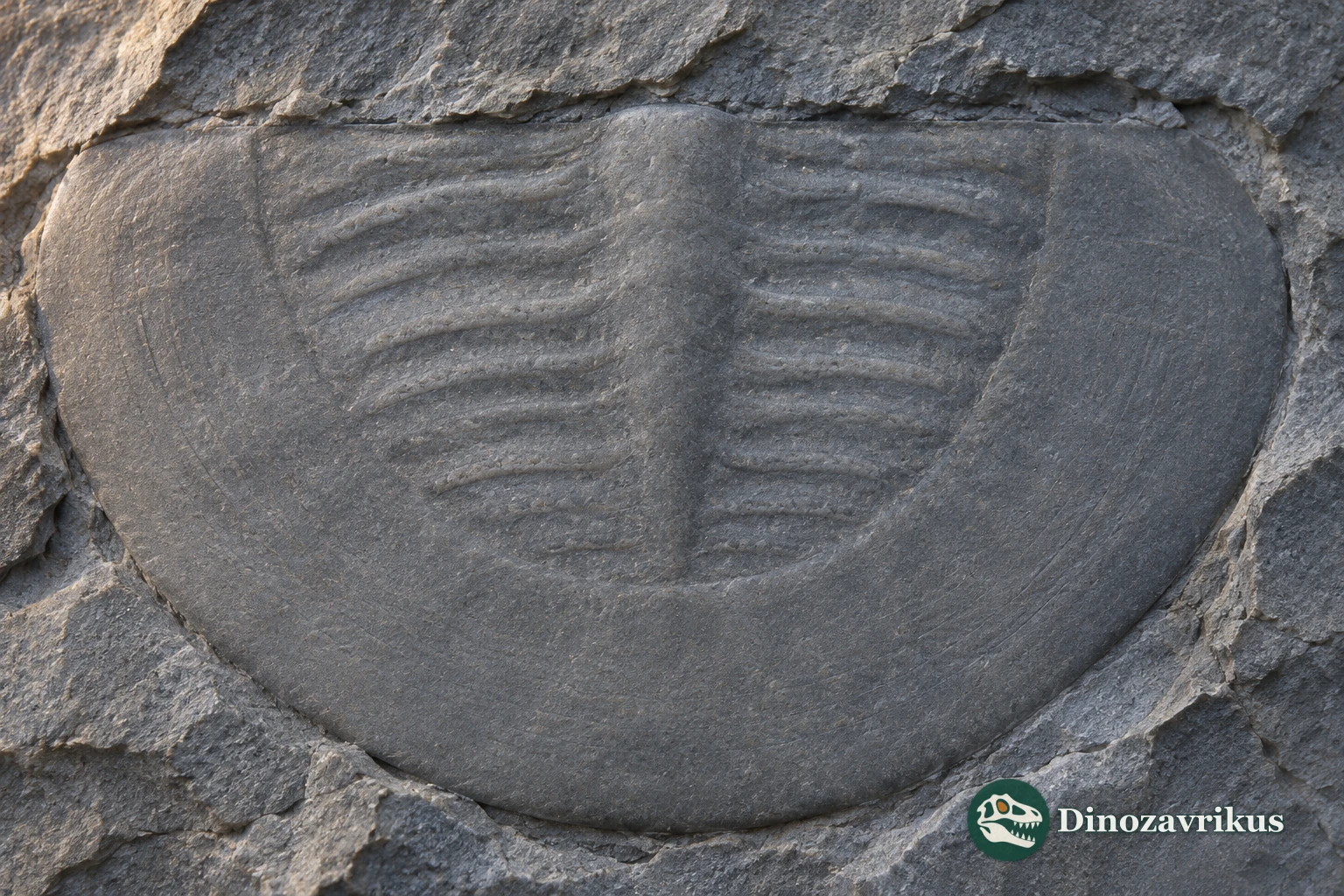
Cheilocephalus has pronounced articulating flanges at the back of the cranidium and at the front of the tail shield. Furrows across the glabella, the raised centre of the head shield, are faint. The lateral grooves can become subdued on large tail shields, while the broad concave border remains evident.
The outer surface of Cheilocephalus brevilobus is smooth. The front border of the cranidium accounts for at least 12 percent of its length along the midline. Other species differ in proportions or bear granular sculpture. Several features need to be compared when an isolated fragment has a smooth surface.
In 2008 Stephen Westrop and colleagues revised the family. New shields from Nevada led them to remove Oligometopus, which had been placed beside Cheilocephalus. Similar reduction of the head furrows provided insufficient grounds for grouping the two genera.
An older occurrence in Newfoundland
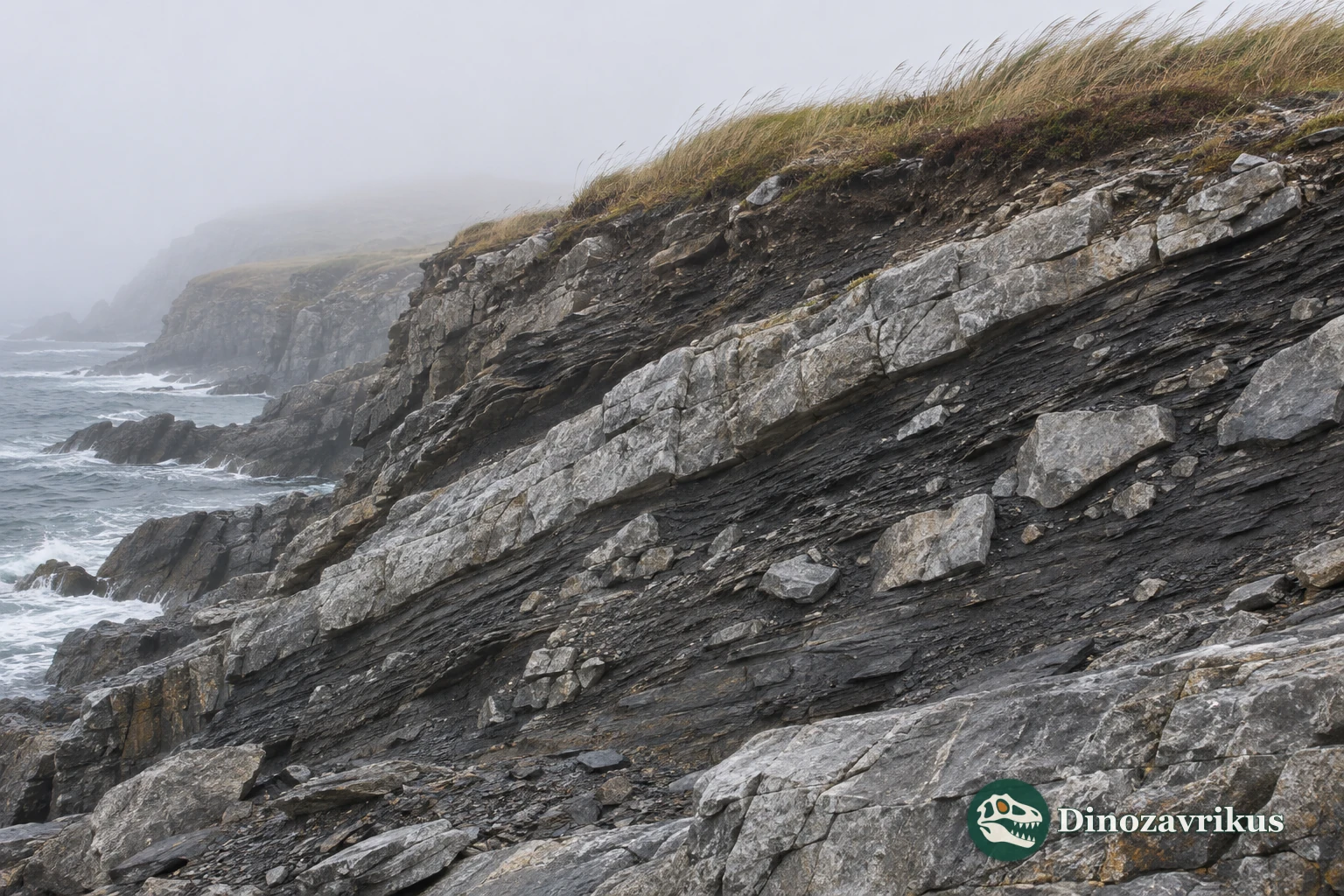
An isolated tail shield came from a limestone boulder of the Shallow Bay Formation, part of the Cow Head Group. Its associated trilobites place it in the late Marjuman interval of Laurentia at the end of the Miaolingian. Earlier records had come from younger Steptoean strata. The broad border supported assignment to Cheilocephalus, with the species left open.
The find places the genus on the shelf margin before faunal turnover around the Guzhangian–Paibian boundary. Another Laurentian trilobite genus, Blountia, has a more detailed succession of species across the same interval.
Frequently asked questions
What is the type species of Cheilocephalus?
Cheilocephalus stcroixensis, described by Charles Berkey in 1898 from Minnesota fossils.
Which specimen preserves nine trunk segments?
Holotype USNM 62852 of Cheilocephalus brevilobus, found in the Nolichucky Formation of Tennessee.
What distinguishes the tail shield?
A broad concave border and articulating flanges near its front. Lateral grooves may become faint in large specimens.
Why is the Newfoundland specimen important?
The isolated tail shield from an older limestone boulder places the genus on the Laurentian shelf margin before the Steptoean interval.