

Cheilophis was an Eocene snake. The North American species is known from skull and trunk bones in Colorado. The smaller French species was described from isolated vertebrae. The structure of those bones links the two finds.
Quick facts
| Group | Snakes (Serpentes) |
|---|---|
| Age | Eocene |
| Region | North America, United States, Colorado. Europe, France |
| Type species | Cheilophis huerfanoensis |
| Scientific name | Cheilophis |
| Diet | No direct evidence |
What can the fossils tell us?
Colorado produced part of a skeleton. The French locality of Cuis yielded isolated vertebrae.
The shape of the arch and processes let researchers assign the French and North American specimens to the same genus.
The French specimens postdate the Paleocene–Eocene Thermal Maximum. The fossils cannot date the actual dispersal.
What was found in Colorado
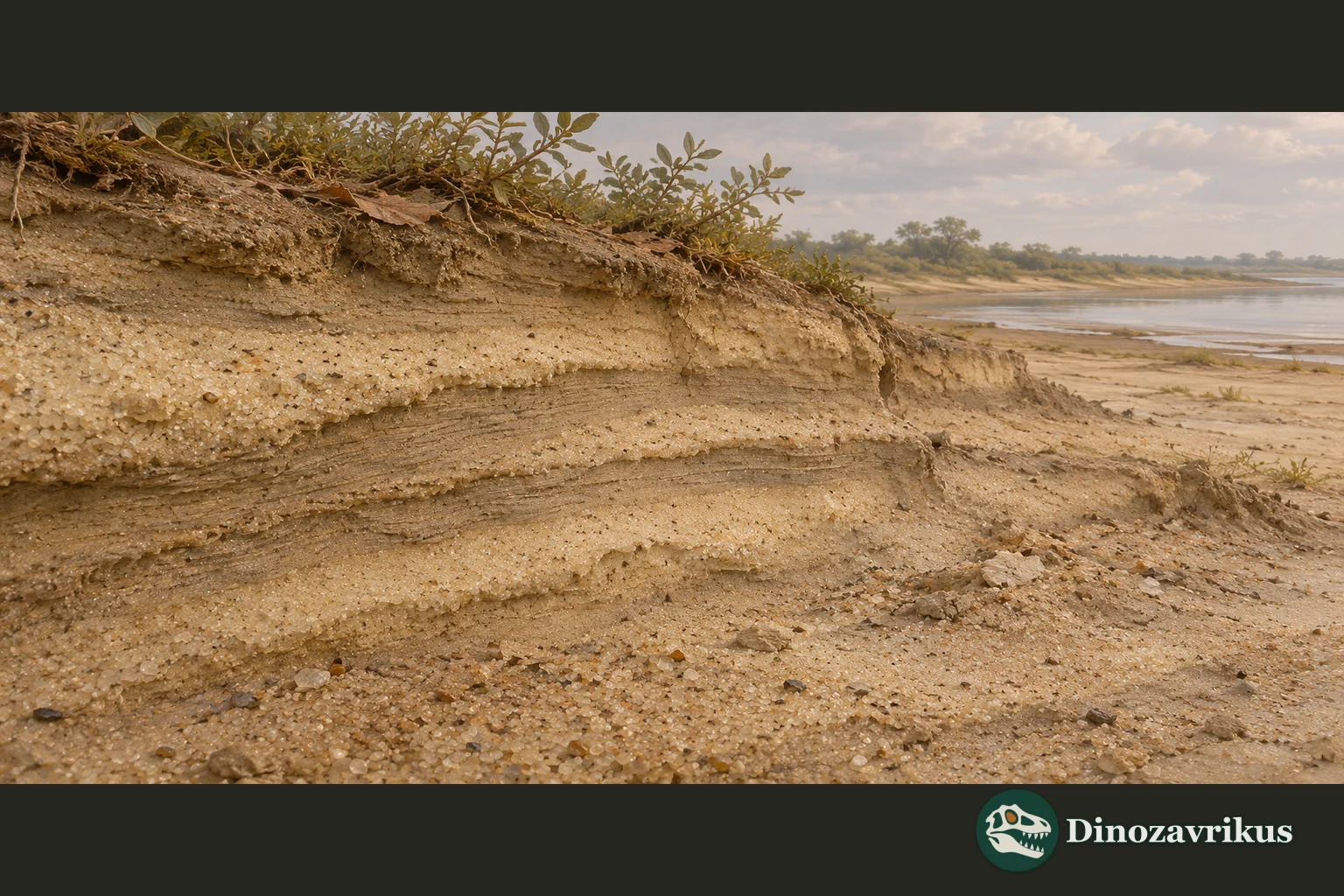
Charles Gilmore named Cheilophis huerfanoensis in 1938 from material at the Gardner locality in the Huerfano Formation. His original account illustrated a single vertebra. Jean-Claude Rage later freed additional vertebrae from the rock, selected a lectotype from the original material and described some skull bones, including a maxilla and a dentary. The resulting set of characters allows comparisons with other Eocene snakes, such as Nebraskophis.
Identifying the French species
Georgios Georgalis and Bastien Mennecart described Cheilophis periplanetes in 2025 from early Eocene deposits at Cuis in northeastern France. The holotype, NMB T.S.1100, is a trunk vertebra in the Natural History Museum Basel. The French vertebrae are much smaller than their American counterparts. The authors used the shape and position of their processes to establish the genus and considered finer anatomical details as well as size when separating the species.
Why the French fossils matter
Cheilophis joins a set of terrestrial vertebrate genera shared by Eocene Europe and North America. The authors discuss whether warmer conditions at high latitudes around the start of the Eocene could have helped the snake disperse. The Cuis fossils place the genus in Europe around 50 million years ago. The route and timing of any crossing remain unresolved.
Frequently asked questions
Why does the American species have a lectotype?
It was selected from the material used in the original description to anchor the species name to a single specimen.
What does the French species name mean?
Periplanetes comes from a Greek word meaning wanderer, referring to the possibility of dispersal between continents.
Which species preserves jaw bones?
A maxilla and a dentary were described in the North American species from Colorado.
How long was the French snake?
Its vertebrae are smaller than comparable American ones. The scattered material does not establish total body length.