

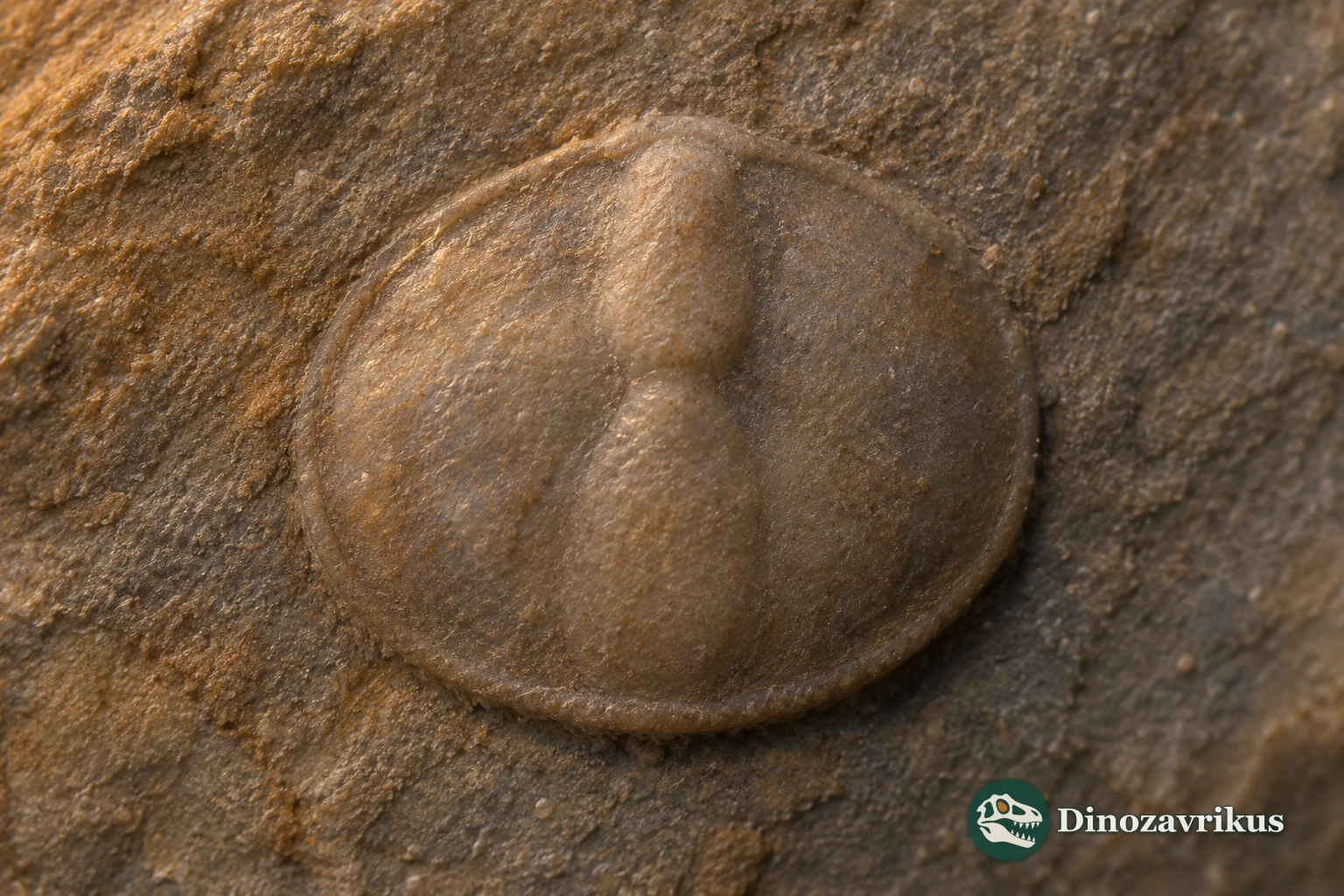
Connagnostus is a small Cambrian agnostid first described from fossils found in Queensland. One of its useful features is a constriction along the axis of the tail shield. Similar shapes evolved in other agnostids, so that feature alone cannot identify an isolated fossil.
Quick facts
| Group | Agnostids |
|---|---|
| Age | Cambrian |
| Named by | Armin Alexander Öpik, 1967 |
| Type species | Connagnostus venerabilis |
| Type occurrence | Georgina Limestone, Queensland |
| Depositional setting | Marine |
What can the fossils tell us?
The Georgina Limestone preserves the fossils that establish the name Connagnostus venerabilis.
The axial area is constricted. Similar constrictions occur in other agnostids.
The Tasmanian report describes disarticulated material and flags the assignment with a question mark.
The Georgina Basin fossils
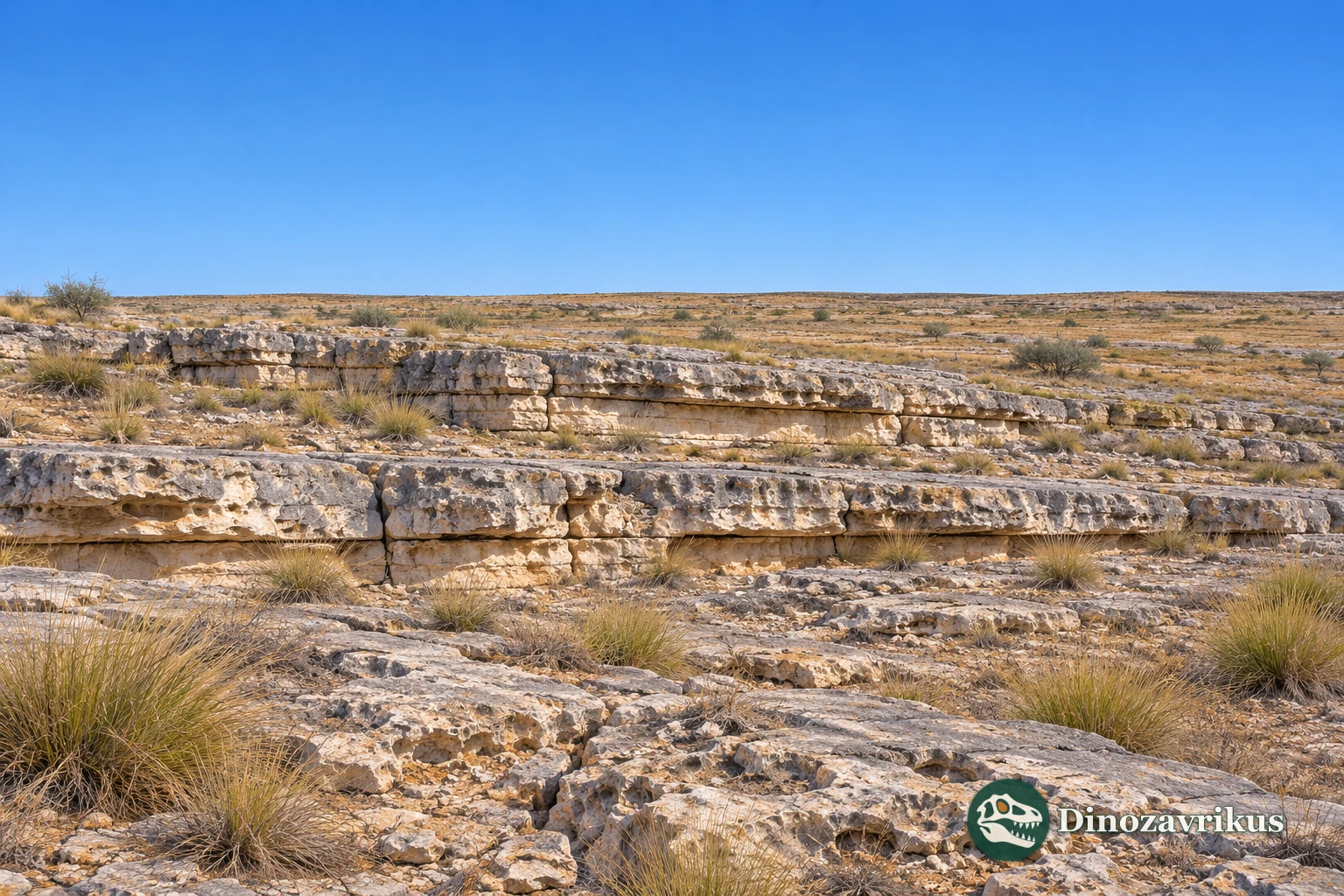
Armin Alexander Öpik introduced Connagnostus in his 1967 work on the Cambrian fauna of northwestern Queensland. The type species C. venerabilis is recorded from the Georgina Limestone. The sea that deposited this limestone covered a part of Australia that is dry today.
Öpik used the Australian term Mindyallan. Researchers refine the age by comparing assemblages of fossils. Modern work places some Mindyallan strata in the Guzhangian Stage of the Cambrian. The old regional term does not by itself fix the age of an individual specimen.
What the tail can reveal
Researchers compare the outline of the axial area on the pygidium, or tail shield. John Shergold noted that some forms related to Homagnostus also have a constriction there, giving them a similar appearance. Comparisons with other parts of the shell and with fossils from the same bed help test an identification.
Agnostids have a very short trunk between two shields, as in Agnostus. When only one shield survives, its shape can help narrow down the identification. It gives little direct evidence of how the animal fed or moved.
A possible Tasmanian occurrence
A 1981 report described a fossil site in bedded siltstone near Smithton in northwestern Tasmania. The trilobites were disarticulated, and some pieces were tentatively attributed to Connagnostus. Those specimens point to a locality for further comparison. More diagnostic material would be needed for a firm identification.
Frequently asked questions
Where was the type species of Connagnostus found?
It comes from the Georgina Limestone of northwestern Queensland, Australia.
When was Connagnostus named?
Armin Alexander Öpik named it in 1967 during his study of Australian Cambrian fossils.
What is distinctive about its tail shield?
The axial area has a constriction. Similar relief occurs in some other agnostids.
Has Connagnostus been confirmed from Tasmania?
The Smithton material was identified tentatively, so it does not provide a confirmed record.