

Eimerisaurus was a small Early Permian temnospondyl. The type species is based on a skull from ancient lake deposits in southwestern Germany. The other species preserves parts of the jaws, palate and skeleton that help relate the genus to other amphibians from the basin.
Quick facts
| Group | Temnospondyls, micromelerpetids (Micromelerpetidae) |
|---|---|
| Age | Early Permian |
| Region | Europe (southwestern Germany) |
| Type species | Eimerisaurus graumanni |
| Scientific name | Eimerisaurus |
| Diet | Exact prey is unknown |
What can the fossils tell us?
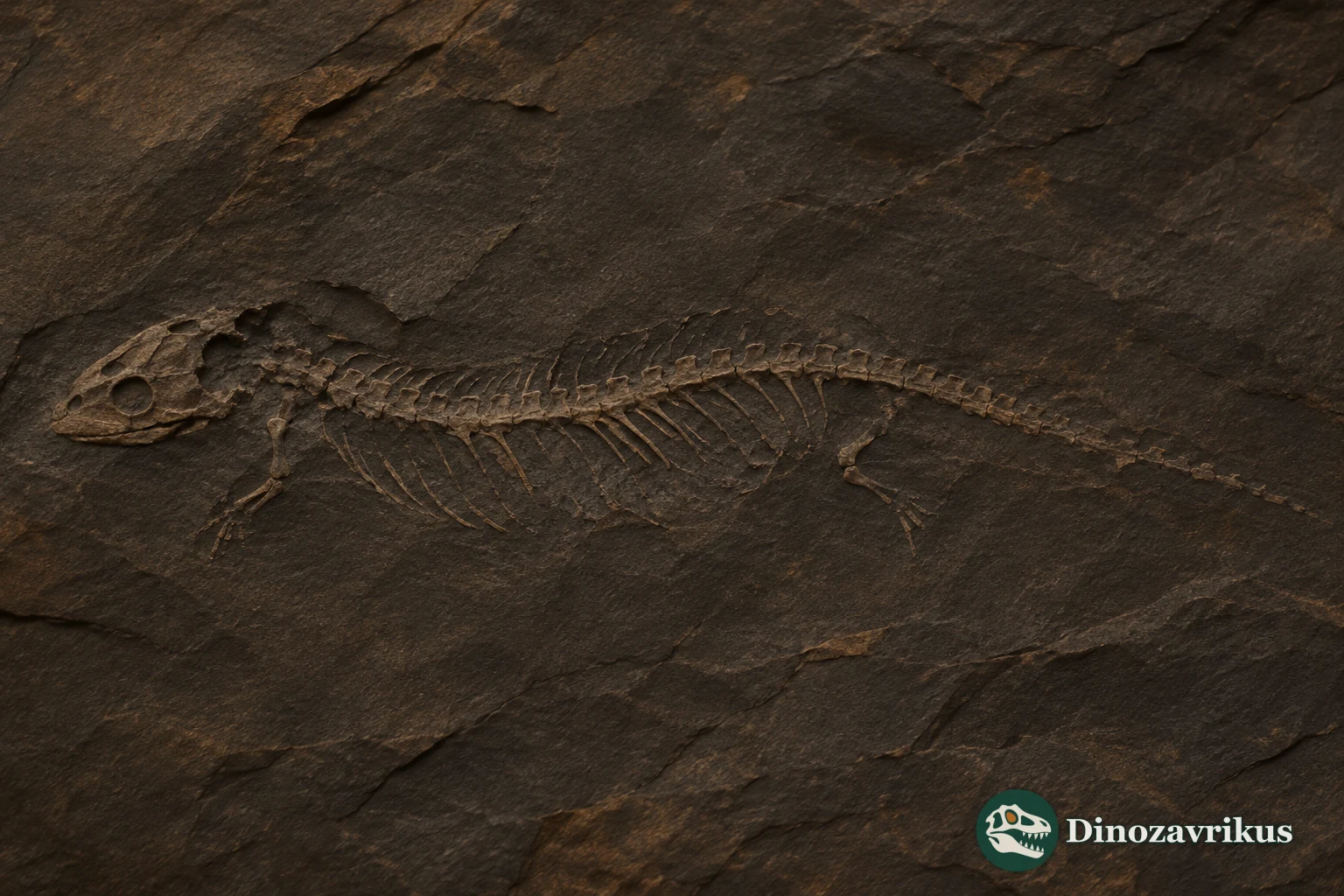
Eimerisaurus graumanni is documented by a skull. Material of E. guembeli includes skull roofing bones, a jaw, parts of the palate and postcranial elements.
Jürgen Boy placed the two named species in one genus. Anatomical comparisons associate the genus with micromelerpetids.
The type skull leaves total body length unresolved. Proposed use of lake margins is an inference, and the exact diet is unknown.
Two older names
Jürgen Boy described the type species in 1980 as Tersomius graumanni. Its skull comes from the Sobernheim lake beds of the Donnersberg Formation. In 2002 Boy named Eimerisaurus and transferred another species to it, first named Pelosaurus guembeli by Otto Reis in 1913. Both species epithets were kept in their new combinations.
What the second species adds
Material of E. guembeli comes from the Jakobsweiler bed of the same formation. Boy redescribed its skull roof, palate, lower jaw and several postcranial bones. These bones make it possible to compare different parts of the skeleton with Micromelerpeton and other relatives. The stage of growth matters when comparing proportions and the amount of bone formation.
Life around the lake
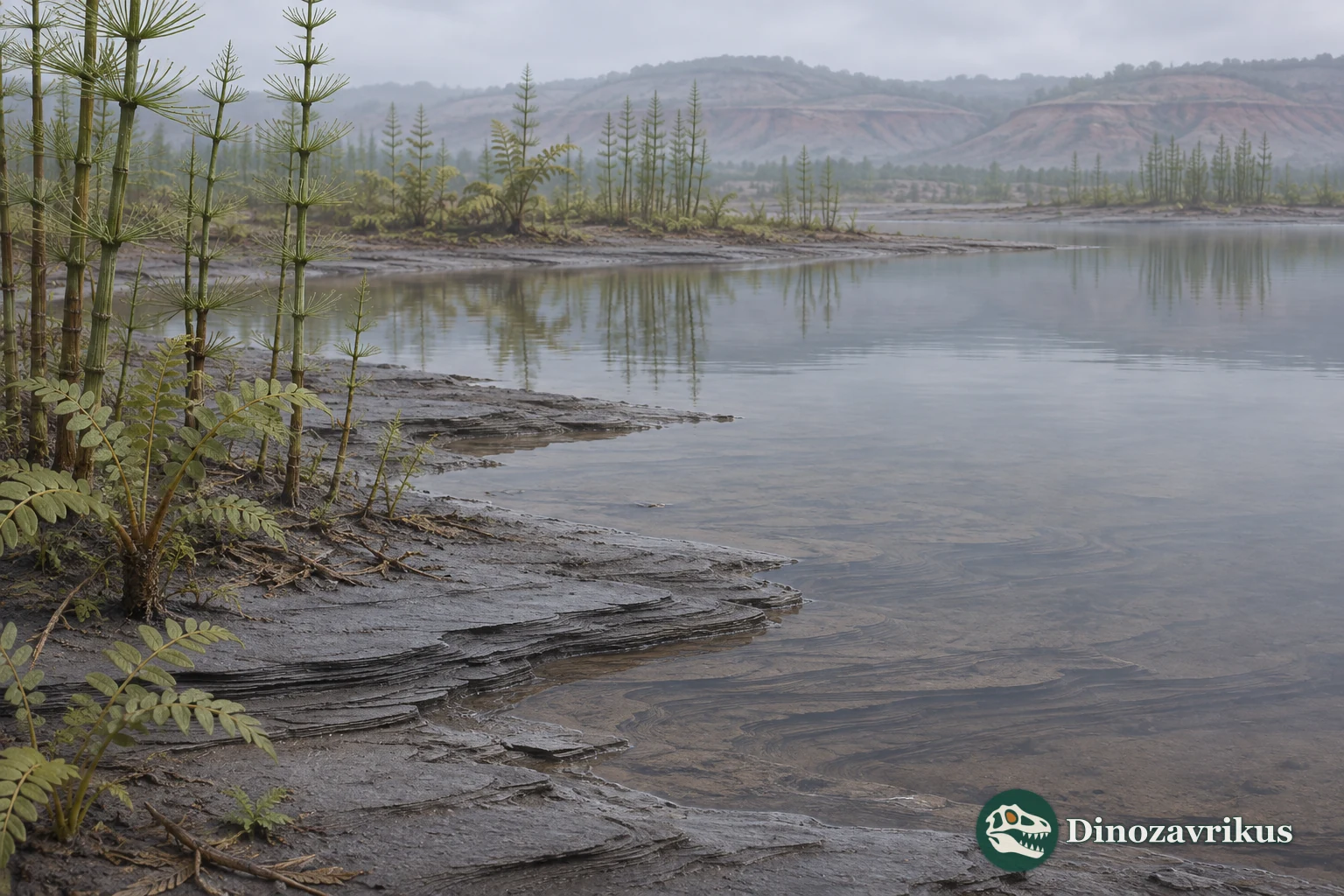
Lake beds preserve both aquatic animals and animals that lived nearby. Boy considered whether the type species spent time along lake margins. That suggestion depends on anatomical comparison and sedimentary setting. The published fossils leave its precise diet unknown.
Frequently asked questions
Which species is the type?
Eimerisaurus graumanni, originally described as Tersomius graumanni.
What survives from the other species?
Eimerisaurus guembeli preserves parts of the skull roof, palate, lower jaw and the skeleton behind the head.
Where were the fossils found?
In the Saar–Nahe Basin in southwestern Germany. The type species comes from near Sobernheim and the other from the Jakobsweiler bed.
How much does the type skull tell us about size?
It provides the size of one skull. The specimen gives too little information for a reliable estimate of total body length.