

Eoanilius is known from small bones in European deposits. The genus was first described from Late Eocene phosphorites in Quercy. Younger vertebrae from Germany allow comparisons between several forms assigned to it.
Quick facts
| Group | Snakes (Alethinophidia), family uncertain |
|---|---|
| Age | Eocene, Oligocene and Miocene |
| Region | Europe, France and Germany |
| Type species | Eoanilius europae |
| Scientific name | Eoanilius |
| Diet | Exact prey is unknown |
What can the fossils tell us?
The original description drew on about forty vertebrae and a quadrate, which forms part of the jaw joint.
The shapes of the vertebral centra and their low neural spines support comparison with fossils of different ages.
Some traits resemble those of living pipe snakes, but the available bones do not establish a family assignment.
Small bones from Quercy
Jean-Claude Rage described Eoanilius europae in 1974 from about forty vertebrae and a quadrate. The quadrate connects the lower jaw to the skull and preserves information unavailable from the spine. Dunnophis, another snake in the French phosphorites, is also studied from small isolated bones.
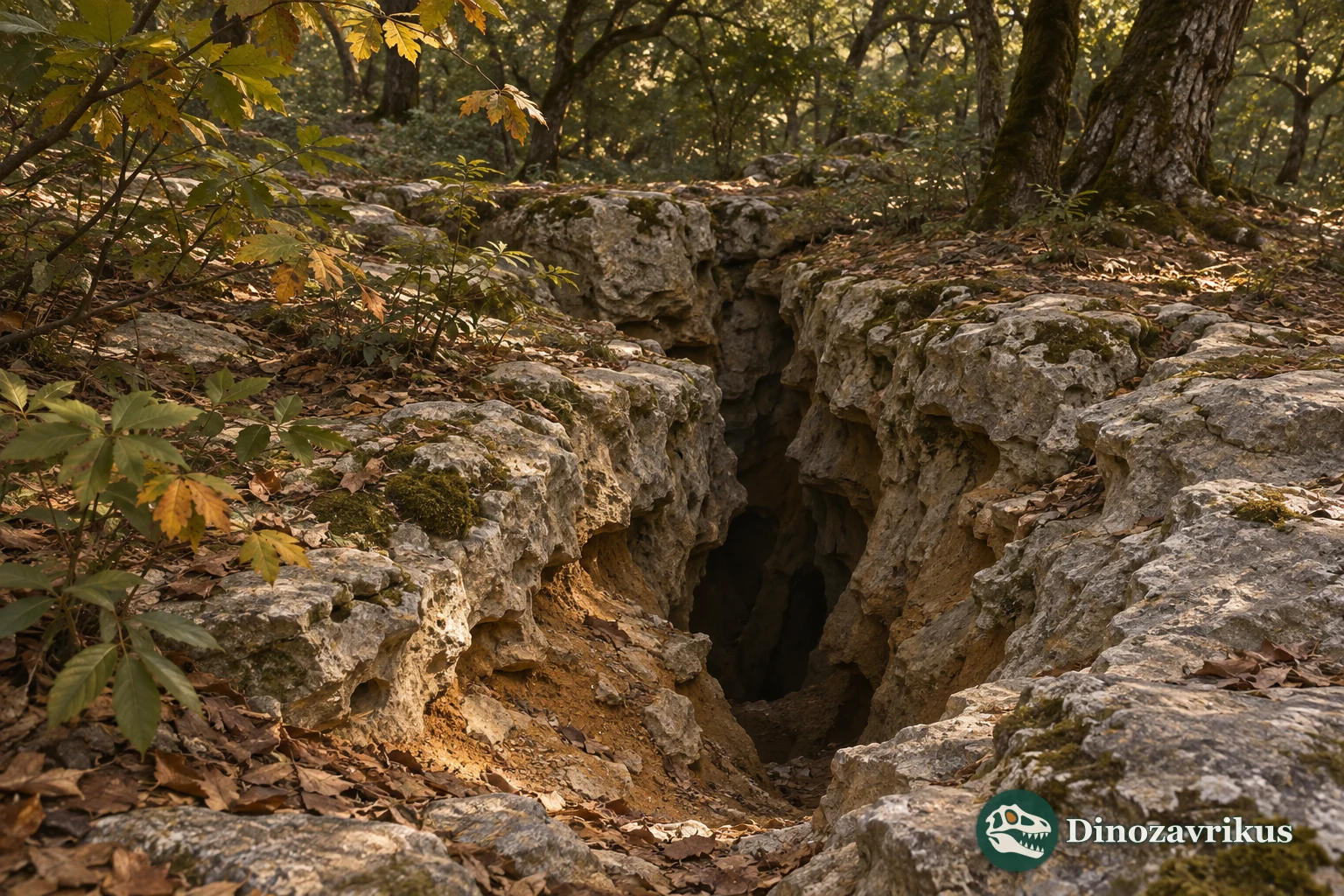
French and German species
The type species, E. europae, is Late Eocene. Szyndlar described E. oligocenicus from vertebrae from the Late Oligocene of Herrlingen 8, Germany. The genus is also recorded in the Early Miocene of Germany. Younger finds are often vertebrae alone, so comparisons with the French series depend on a limited set of characters.
Why its family is uncertain
The vertebrae of Eoanilius carry a low neural spine. This feature once supported comparisons with the living genus Anilius. Similarity in this feature alone does not resolve how closely the two are related. A later reassessment retained Eoanilius among the alethinophidian snakes without assigning it to a family.
Frequently asked questions
Where was the type species found?
It comes from Late Eocene phosphorites in Quercy, in southwestern France.
Which skull bone was found with the vertebrae?
The original material includes a quadrate, which forms part of the joint between the lower jaw and skull.
What did the Herrlingen bones add?
Late Oligocene vertebrae from Herrlingen 8 in Germany are the basis for Eoanilius oligocenicus.
Why is its position near Anilius disputed?
Some vertebral features are similar, but their combination falls short of a reliable family assignment.