

One species of Hadragnostus was described from Antarctica before it was recognised in a collection from central Australia. The fossils are tiny, detached head and tail shields. Their broad rims and the shape of the tail axis allow the two collections to be compared.
Quick facts
| Group | Agnostida |
|---|---|
| Age of the material discussed | Cambrian, Guzhangian |
| Type species | Hadragnostus las |
| Genus described | 1967 |
| Records of H. helixensis | Antarctica and Australia |
| Shield length in Australia | Up to about 3.5 mm for either shield |
What can the fossils tell us?
The Helix Pass fossil shows a wide border and a slight widening near the back of its axial lobe.
Its rear half is convex, and a short shallow furrow lies immediately in front of its anterior lobe.
The matching shield characters support a correlation already suggested by other trilobites in the assemblages.
A species named for Helix Pass
Armin Öpik established the genus in 1967 with Hadragnostus las as the type species. In 2005 James Jago and Roger Cooper named H. helixensis from the Spurs Formation in northern Victoria Land, using the nearby pass for its name. They identified fourteen cephala and five pygidia, including the holotype pygidium AR1570.
The borders of the shields are wider than those of the type species. At the back of the tail shield, the narrowed median axis expands again. The authors assigned the species to Hadragnostus tentatively because the rim and the proportion of the head occupied by the glabella differed from those of the other species they examined.
New material from central Australia
The Australian material was described in 2018 from the Goyder Formation of the Amadeus Basin in the Northern Territory. Eleven cephala and nine pygidia were figured, with many additional specimens recorded as fragments. Both kinds of shield reach a length of about 3.5 mm, a measurement of individual parts of the exoskeleton.
The authors identified the material as the same species. Rounded corners, a broad flat border and a raised rear part of the glabella characterise the head. The tail axis extends almost to the groove inside the rear border. Very short spines sit near its rear corners. The Australian material has no known articulated thorax or hypostome.
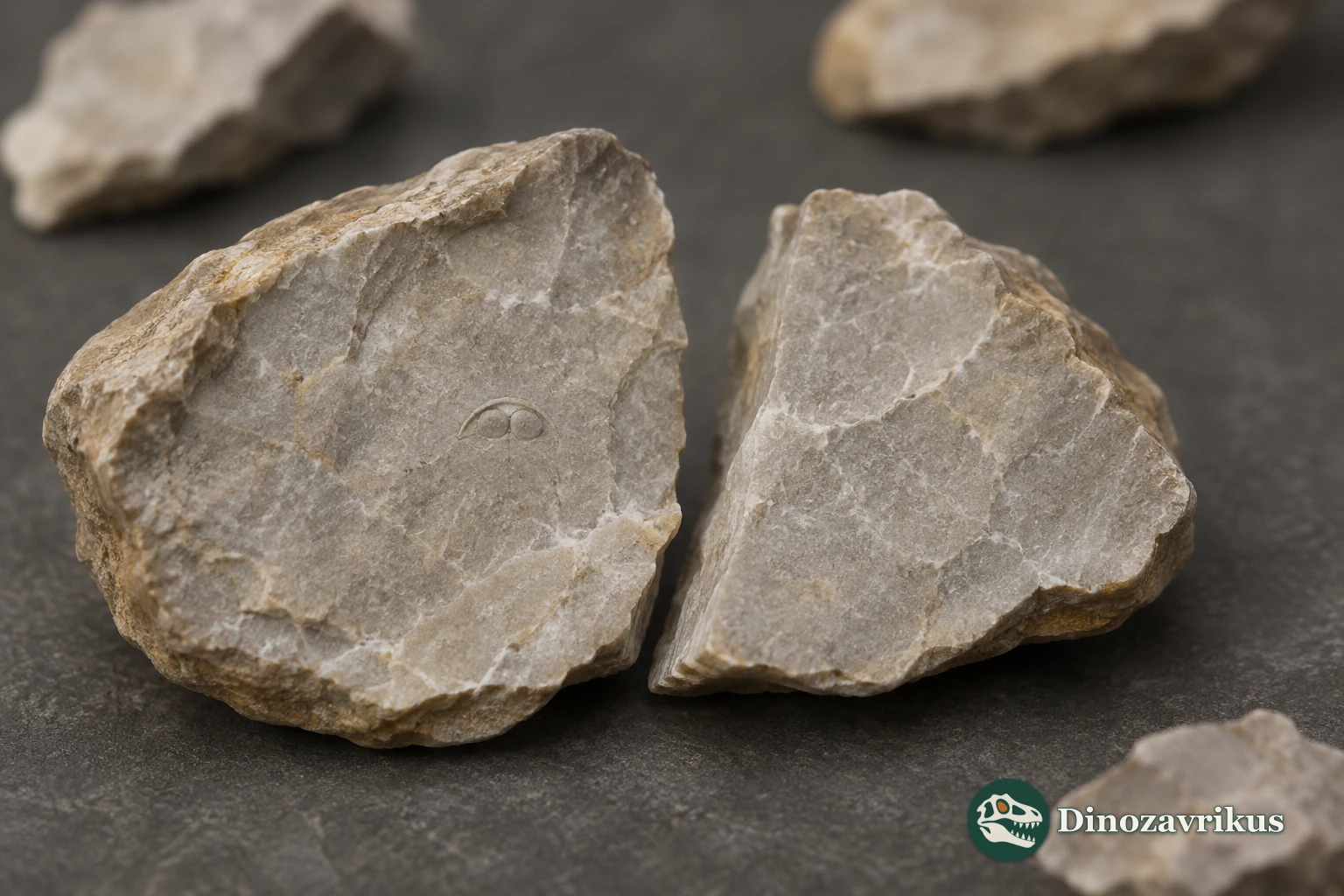
Linking Cambrian beds on two continents
The Antarctic specimens come from the upper Spurs Formation in the Glyptagnostus stolidotus Zone. Species of Glyptagnostus are useful for correlating distant marine deposits. The shared H. helixensis provides an additional match with the Goyder fossils. The material is placed in the Guzhangian, even though some older publications positioned the middle to late Cambrian boundary differently.
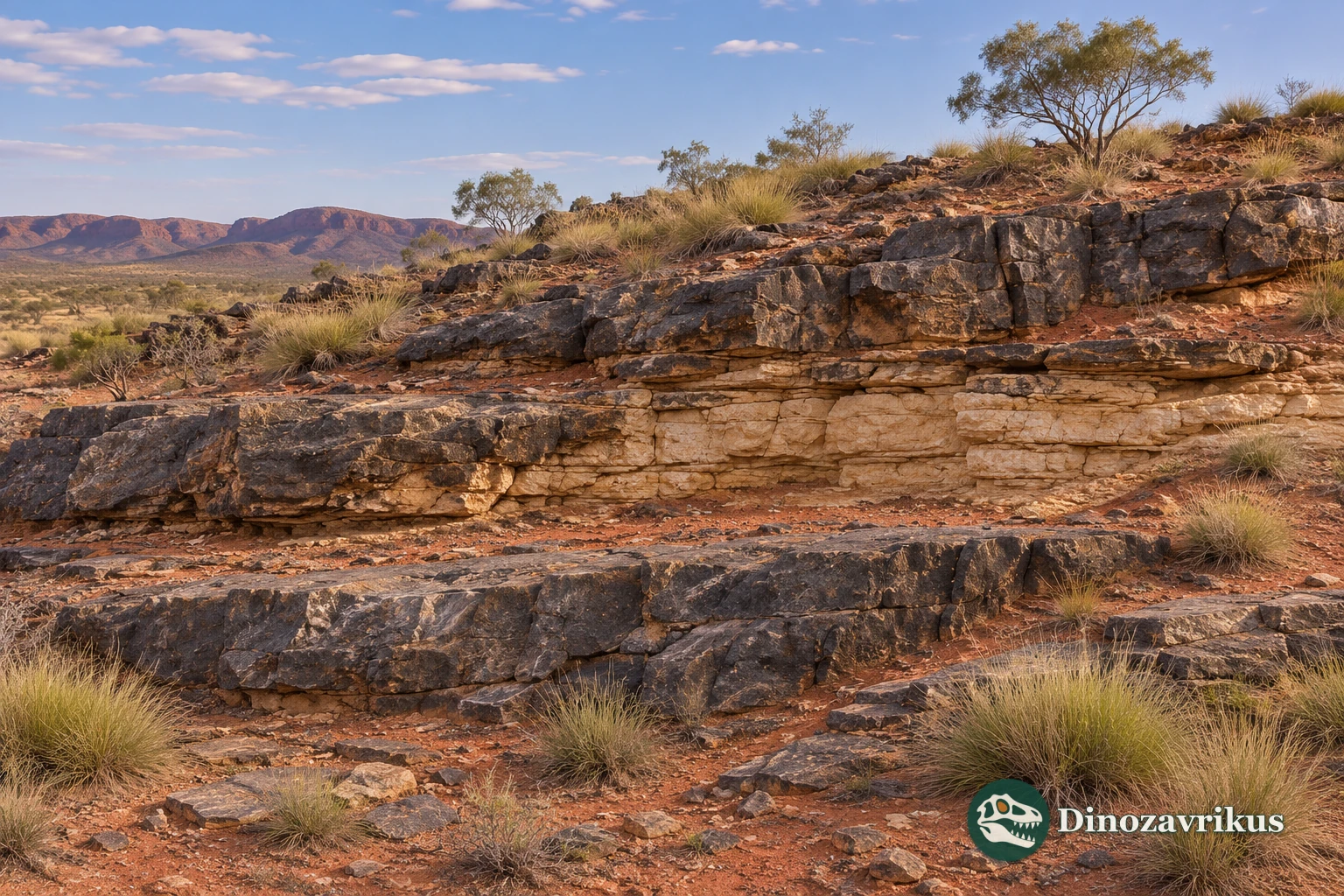
Frequently asked questions
Where does the name helixensis come from?
It refers to Helix Pass in northern Victoria Land, Antarctica.
Which specimen is the holotype of H. helixensis?
The tail shield AR1570 from the Spurs Formation.
How large are the Australian shields?
The larger head and tail shields each reach about 3.5 mm long.
What is the type species of the genus?
Hadragnostus las, named by Armin Öpik in 1967.