

Kizylkumemys belongs to the fossil lineage of pig-nosed turtles. Its type species came from the Kyzylkum Desert. Material from older deposits in Thailand was later assigned to the same genus. The bones on the underside of the shell show why this relationship has been reconsidered.
Quick facts
| Group | Turtles, pig-nosed turtles (Carettochelyidae) |
|---|---|
| Age | Cretaceous (Aptian in Thailand, Cenomanian and early Turonian in Kyzylkum) |
| Region | Asia (Uzbekistan and Thailand) |
| Type species | Kizylkumemys schultzi |
| Holotype | CCMGE 11180-1, right hypoplastron |
| Scientific name | Kizylkumemys |
| Diet | No direct evidence |
What can the fossils tell us?
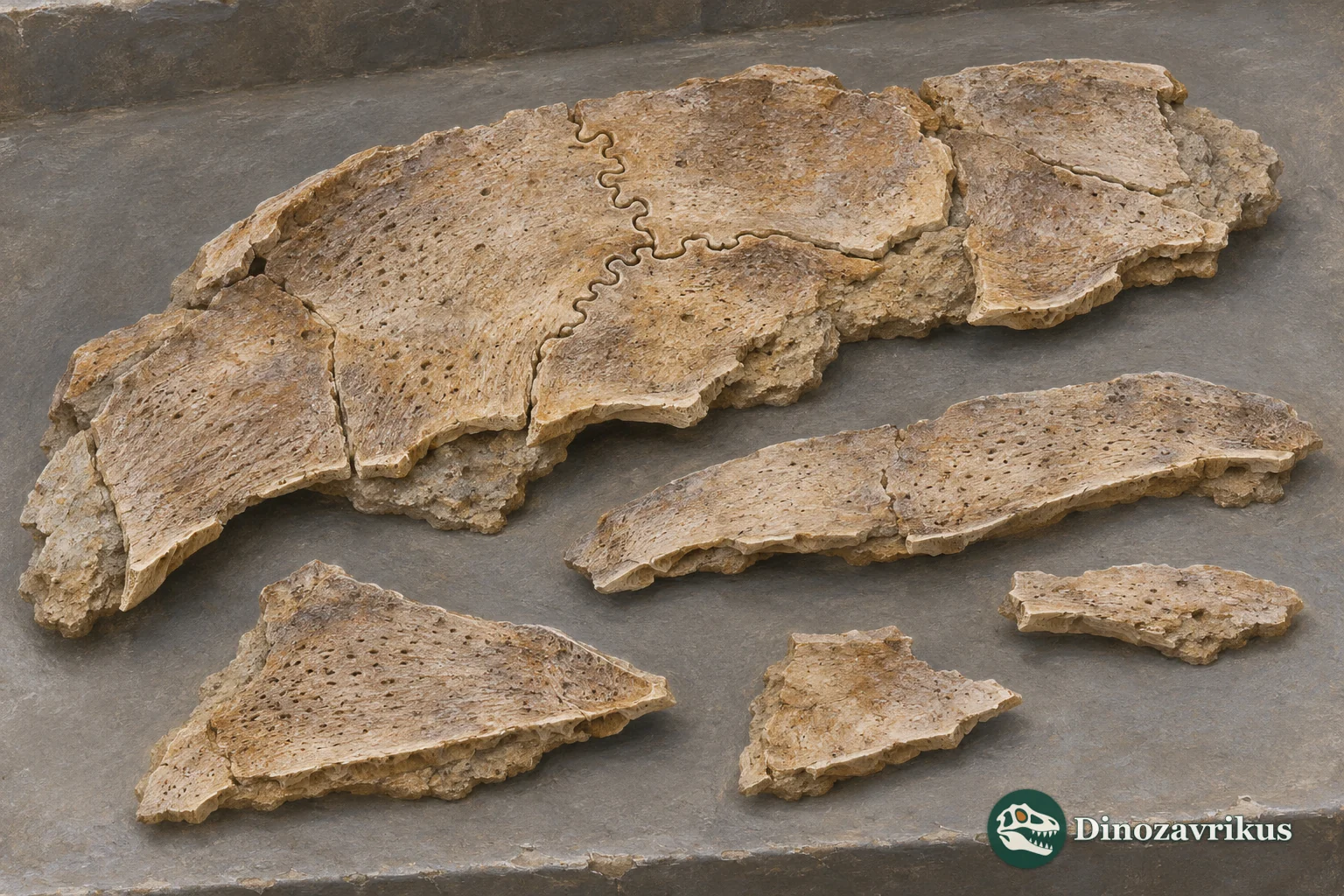
The type hypoplastron provides an outline of part of the plastron and its bridge. No skull is associated with it.
The Uzbek species has a markedly short bridge. The Thai bones indicate a longer bridge and a broader bone at the front.
The Khok Kruat deposits in Thailand are older than the Kyzylkum type material. Their ages help place the fossils in time but leave their exact relationship open.
Nessov’s finds in the Kyzylkum
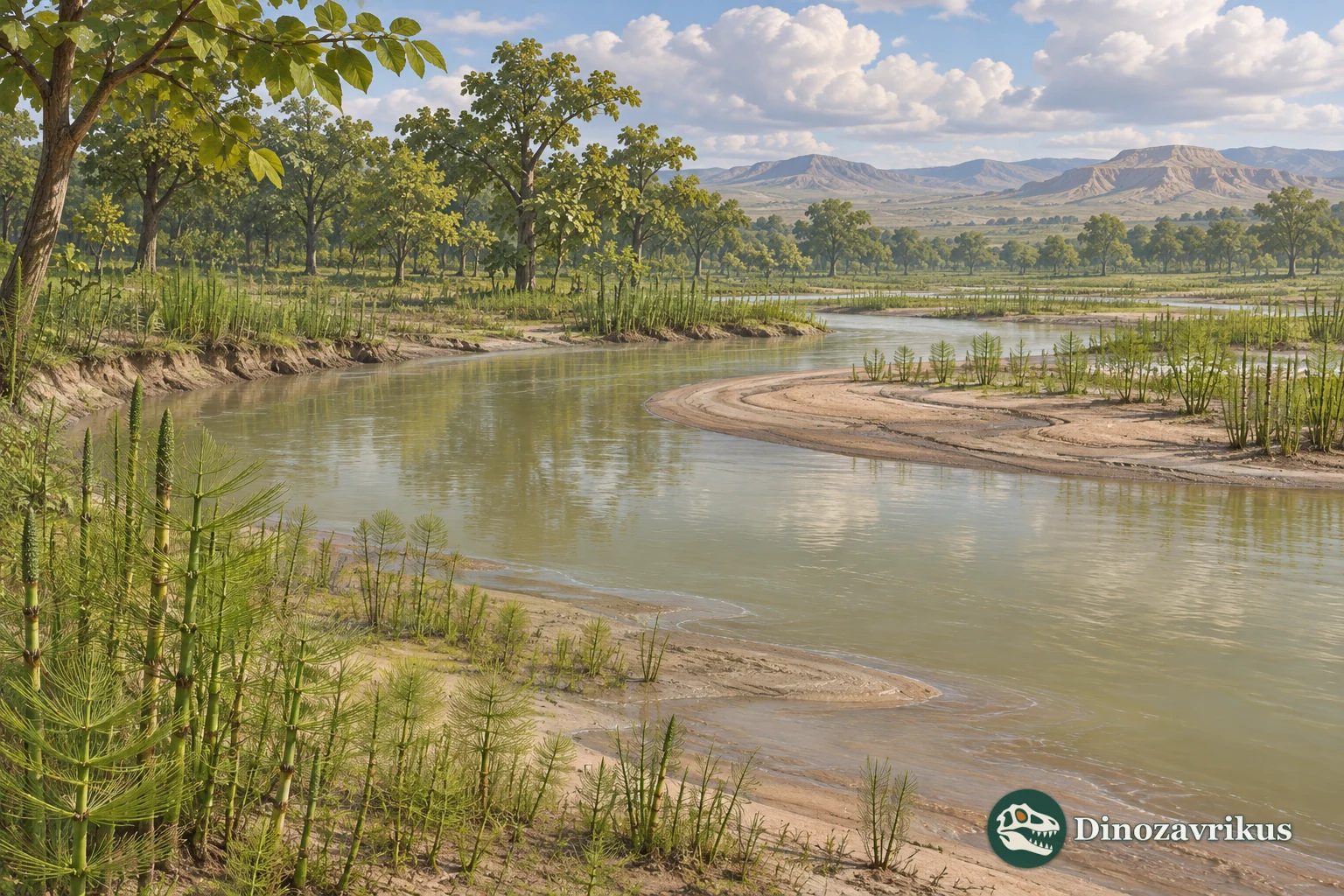
Lev Nessov described Kizylkumemys schultzi in 1977. The type, CCMGE 11180-1, is a right hypoplastron, a bone in the rear half of the lower shell. Other plates from the Khodzhakul deposits and nearby sites gave him more information on the shell. Nessov interpreted the occurrence as evidence for a turtle living in a river-delta setting.
Two different lower shells
The Uzbek species has a markedly narrow plastron, a short bony bridge to the carapace and slender front bones. K. khoratensis from Thailand’s Aptian Khok Kruat Formation has a longer bridge and a broader epiplastron at the front. Comparison with later relatives such as Anosteira reveals considerable variation in how the lower shell was built.
Will the Thai species stay in the genus?
In 2025, researchers revisited the Thai and Uzbek lower shells while describing another early carettochelyid. They noted that several family trees do not recover K. schultzi and K. khoratensis as closest relatives. They raised the possibility that the genus as currently used includes separate branches. The Thai species is still discussed under its published name.
Frequently asked questions
What bone is the holotype?
CCMGE 11180-1 is a right hypoplastron from the lower shell.
Where are the Thai fossils from?
They are from the Khok Kruat Formation of northeastern Thailand.
How do the two lower shells differ?
The Uzbek species has a short bridge. The Thai species has a longer bridge and a broader front bone.
Why is the genus under discussion?
Several evolutionary analyses place the Uzbek and Thai species on separate branches.