

Kochiella was a Cambrian trilobite first described from Greenland. Nearly complete shells of another species from Nevada show which kind of tail shield can be securely linked to the genus.
Quick facts
| Group | Trilobites |
|---|---|
| Age | Cambrian |
| Genus named by | Christian Poulsen, 1927 |
| Type species | Kochiella tuberculata |
| Type beds of the genus | Cape Kent Formation, Greenland |
| Articulated Nevada shell | Holotype USNM 509430 |
What can the fossils tell us?
There is a type cranidium for Kochiella tuberculata. Pieces found alongside it cannot all be matched to that species with the same confidence.
Those connected parts belong to Kochiella brevaspis. They do not establish the shape of the tail of the Greenland type species.
The shape of the lobes varies among species. The outline of the axis and the arrangement of grooves also matter.
Type material from northwestern Greenland
Christian Poulsen named the genus in 1927. The type species, Kochiella tuberculata, comes from the Cape Kent Formation in Inglefield Land. Valdemar Poulsen later restudied the material and designated the fragmentary cranidium MMH 2245 as the name-bearing specimen. A cranidium is the central portion of the head shield.
Early studies assigned a tail shield found nearby to this species. A later revision found that its shape more closely resembled that of Hadrocephalites. The exact shape of the tail in Kochiella tuberculata therefore remains uncertain.
What the Nevada exoskeletons preserve
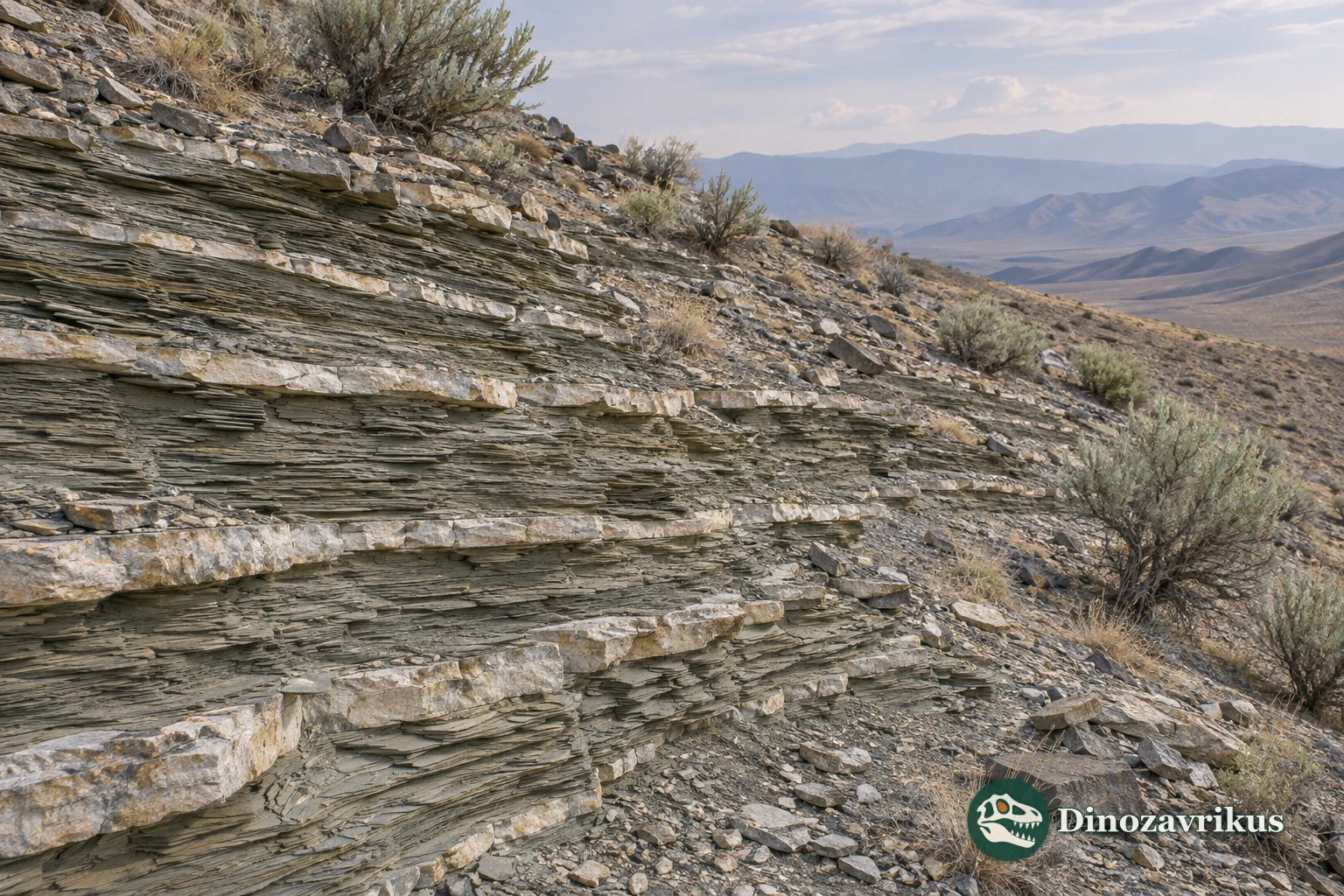
Frederick Sundberg and Linda McCollum described Kochiella brevaspis from the upper Pyramid Shale Member of the Carrara Formation. Holotype USNM 509430 is a nearly complete dorsal exoskeleton. The specimens have 14 or 15 movable trunk segments with pointed outer ends. The cheek spines are short and broad at the base.
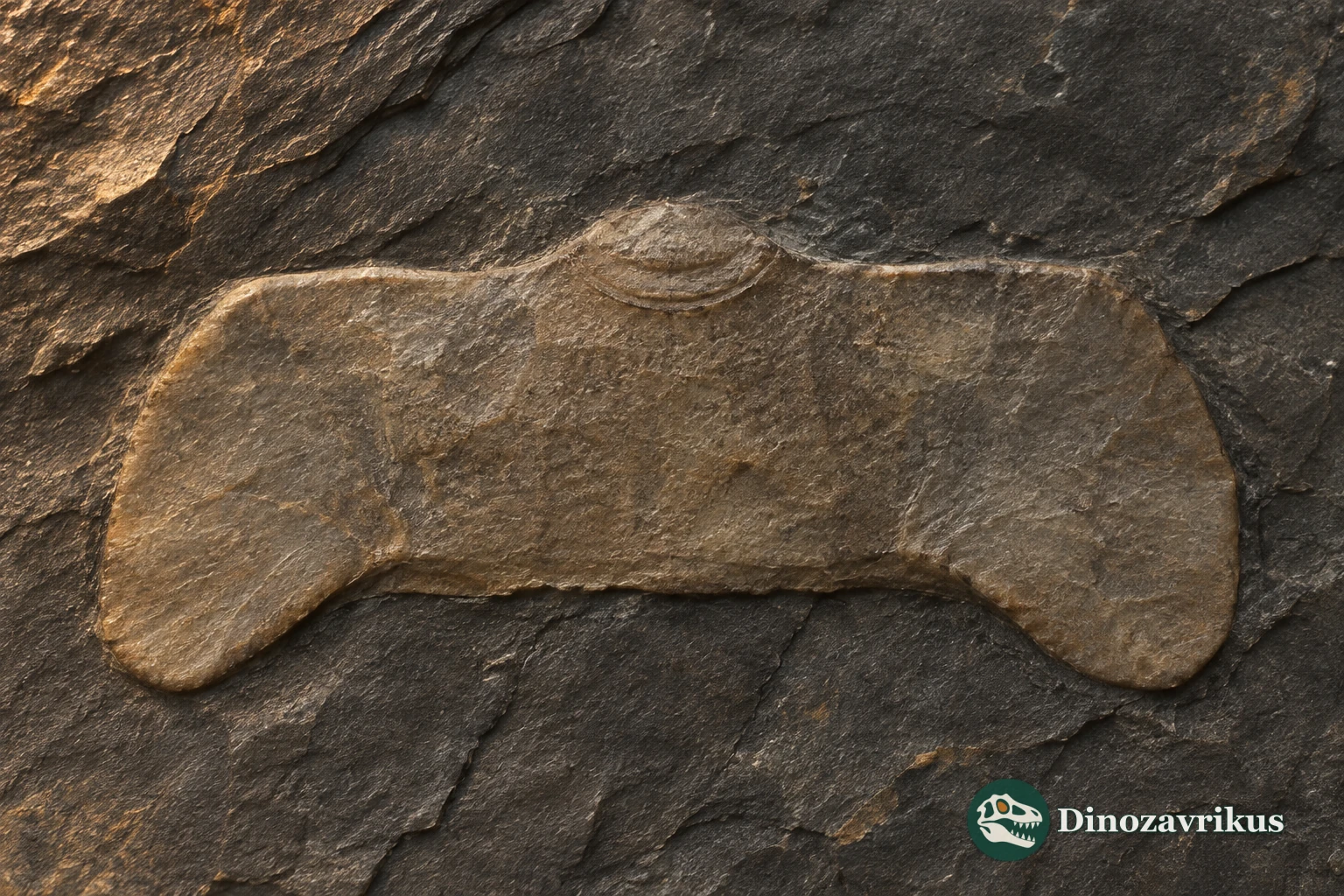
The small tail shield is wider than long, with two flat, rounded lobes projecting backwards. Another shell from the series, USNM 509431, preserves an incomplete impression of a hypostome, a plate on the underside of the head.
Why a shield does not always identify a species
Tail lobes in Kochiella can be rounded or pointed. Trilobites that shared a habitat could leave isolated parts in the same sample. Articulated specimens helped researchers revisit which head and tail shields could reliably be assigned to the same genus.
Kochiella occurs in Nevada beds correlated with the help of multiple trilobites, including Poliella. Both the identity of the fossils and their positions in the rock succession are needed to correlate the beds.
Frequently asked questions
Where was Kochiella first described from?
Its type species is from the Cape Kent Formation in northwestern Greenland. Christian Poulsen established the genus in 1927.
How many trunk segments did Kochiella brevaspis have?
The articulated specimens have 14 or 15 movable trunk segments.
What is distinctive about the tail shield of Kochiella brevaspis?
It is short and broad. Two flattened, round-ended lobes project backwards.
What is a hypostome and which specimen preserves it?
It is a plate on the underside of the head. Nevada specimen USNM 509431 preserves part of its impression.