

Latiproetus was a Silurian trilobite. Its type species was described from Hubei, China. Fossil shields of another species from Shaanxi preserve the shape of its head furrows, the width of the tail axis and the texture of its shell.
Quick facts
| Group | Proetid trilobites |
|---|---|
| Age | Silurian |
| Genus named by | Y. H. Lu, 1962 |
| Type species | Latiproetus latilimbatus |
| Chinese records | Hubei, Guizhou and Shaanxi |
| Holotype of the Guizhou species | Cranidium Gt-383 |
What can the fossils tell us?
The furrow splits near the midline in the Guizhou species. It is shallower in the type species.
The Guizhou species has a rounded tail with shallow pits along the sides of some axial rings.
The holotype is from late Aeronian rocks in Guizhou. The new shields from Shaanxi are middle Telychian.
Fossils from Hubei, Guizhou and Shaanxi
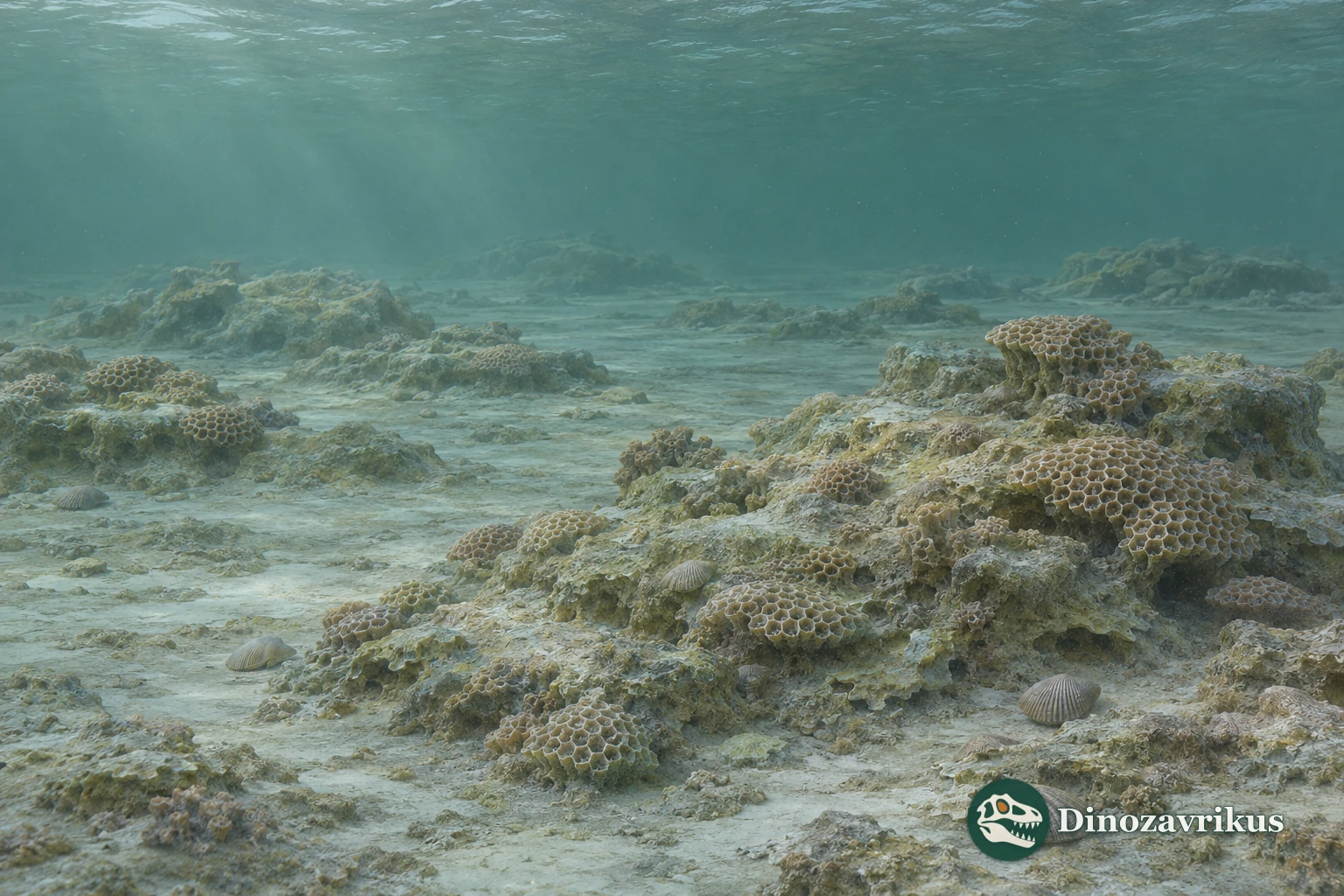
Yanhao Lu established Latiproetus in 1962 while studying Silurian trilobites from Hubei. The type species is Proetus latilimbatus, named by Amadeus Grabau from the Yichang area. Later work also recorded it in the red beds near Wuhan.
In 1978 L. guizhouensis was described from an incomplete cranidium from the Shiniulan Formation in Guizhou. Limestone in the Ningqiang Formation of Shaanxi subsequently yielded six cranidia, three free cheeks and four tail shields. These specimens allowed a fuller description of the species.
Furrows, granules and rings
The raised central lobe of the head, or glabella, is broadly pear-shaped in the Guizhou species. A relatively flat field lies in front of it. The rear pair of lateral grooves is deeper than those nearer the front and divides into branches at the inner ends. A small node sits on the midline of the occipital ring.
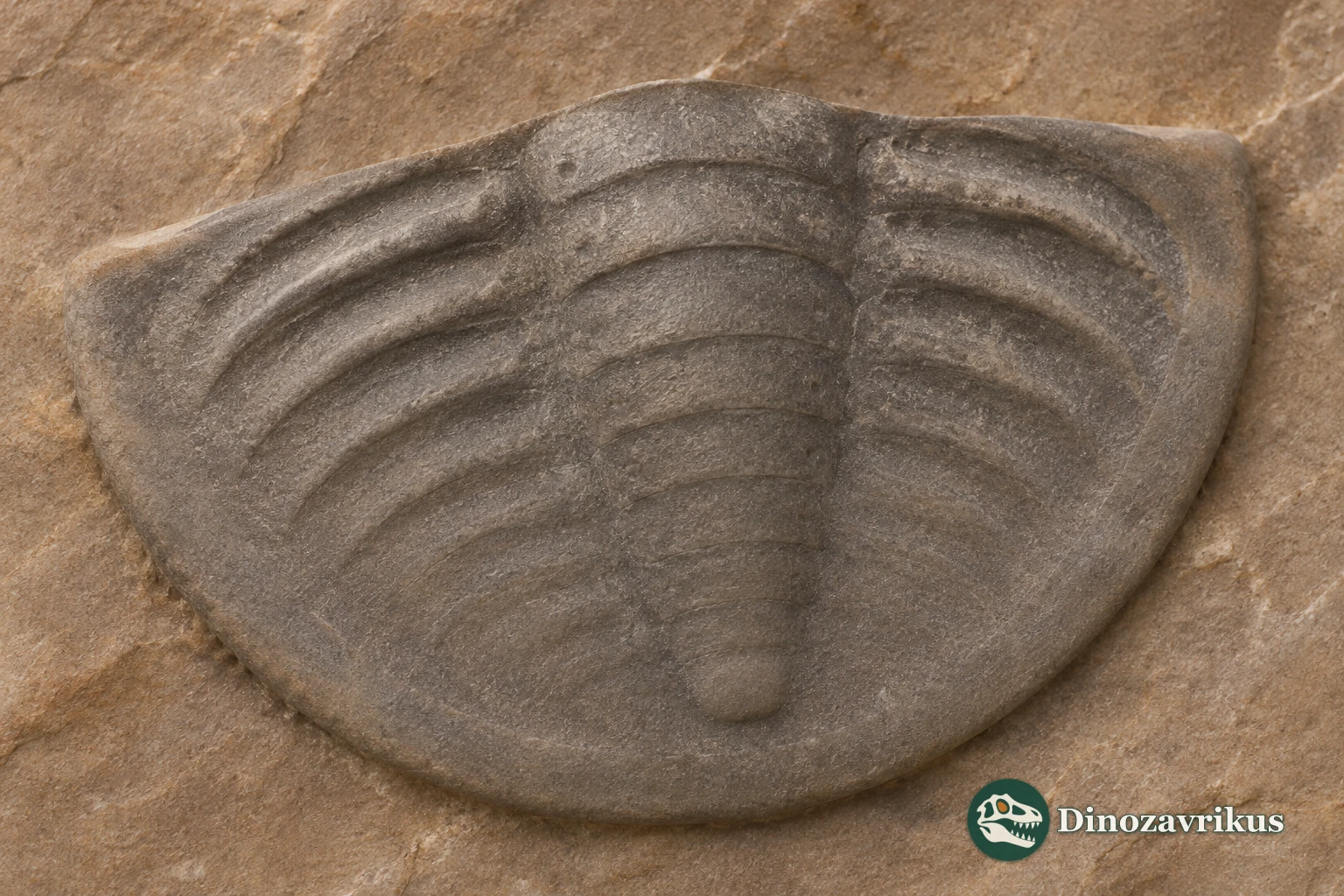
The tail shield is about 57–64% as long as it is wide. Its raised axis tapers backwards and bears eight rings. The furrows along the first lateral ribs are more conspicuous than those towards the back. A broad, gently sloping border surrounds the tail.
Distinguishing neighbouring species and genera
Compared with the type species, L. guizhouensis has a broader tail axis with clearer transverse furrows. It also has coarser granules on the cranidium and tail axis. Some earlier studies grouped Latiproetus with Astroproetus. Later descriptions again recognise Latiproetus as a distinct genus.
Frequently asked questions
Where was the type species found?
In Early Silurian rocks in the Yichang area of Hubei Province, China.
What Latiproetus material was found in Shaanxi?
Head shields, free cheeks and tail shields of the Guizhou species.
How many rings does the Guizhou species have on its tail axis?
Eight, followed by a rounded terminal piece.
How does the Guizhou species differ from the type species?
It has deeper branching head furrows, a broader tail axis and coarser granules on parts of its shell.