

Longchengpterus zhaoi was named in 2006 from a pterosaur fossil in China's Jiufotang Formation. Several later authors have regarded its specimen PMOL-AP00003 as belonging to Nurhachius ignaciobritoi. Others discuss the name separately, so the article records the fossil and the competing interpretations without treating two names as proven to represent two animals.
Quick facts
| Historical name | Longchengpterus zhaoi, Wang and colleagues, 2006 |
|---|---|
| Specimen | PMOL-AP00003, incomplete skeleton |
| Locality | Western Liaoning, China |
| Rock unit | Jiufotang Formation, Lower Cretaceous |
| Group | Istiodactylidae |
| Taxonomic status | Often treated as a junior synonym of Nurhachius; debated |
What can the fossils tell us?
The historical name is linked to an incomplete Jiufotang skeleton. It is not the type specimen of Nurhachius.
The original authors introduced Longchengpterus as a separate istiodactylid genus from western Liaoning.
Several studies refer PMOL-AP00003 to Nurhachius ignaciobritoi and treat Longchengpterus zhaoi as its junior synonym.
Some comparative analyses retain the separate name. Neither interpretation establishes colour, specific food or behaviour.
The fossil behind the name
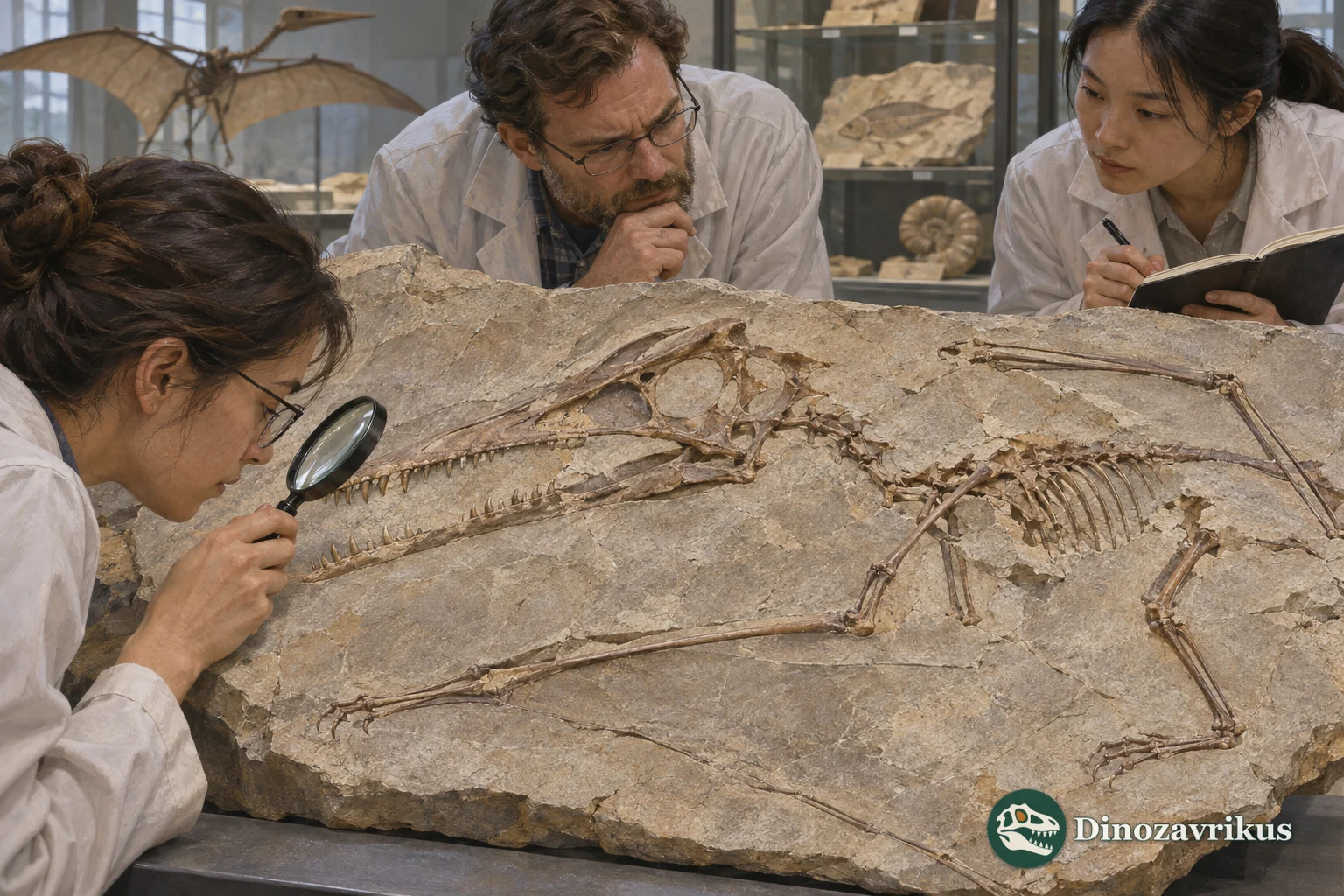
Wang and colleagues published the name Longchengpterus zhaoi in 2006 for an istiodactylid from the Jiufotang Formation of western Liaoning. Later comparisons identify specimen PMOL-AP00003 as the fossil associated with this name. An incomplete skeleton, including skull material, can be compared with other pterosaurs even if its final classification changes.
The Jiufotang Formation has yielded many Early Cretaceous pterosaurs. Liaoxipterus is another example, known from a lower jaw. Occurrence in the same formation does not show that their bones belong to one species.
Why its genus is debated
A 2019 study listed Longchengpterus zhaoi as a junior synonym of Nurhachius ignaciobritoi. Under that interpretation the earlier Nurhachius name takes priority for the species. A 2022 study discussed this synonymy while noting that it is accepted by some authors. Other comparative work has continued to use Longchengpterus separately.
PMOL-AP00003 is a distinct fossil specimen from the Nurhachius ignaciobritoi holotype IVPP V13288. Placing them in one species is an anatomical judgement, not a claim that they are the same slab. Istiodactylus provides a broader group comparison but does not settle the Chinese taxonomic question.
What remains secure
The specimen exists and comes from Early Cretaceous rocks of Liaoning. A change in genus assignment would not alter those observations. Fossil anatomy can test competing classifications, while a painted restoration cannot establish which name should be accepted.
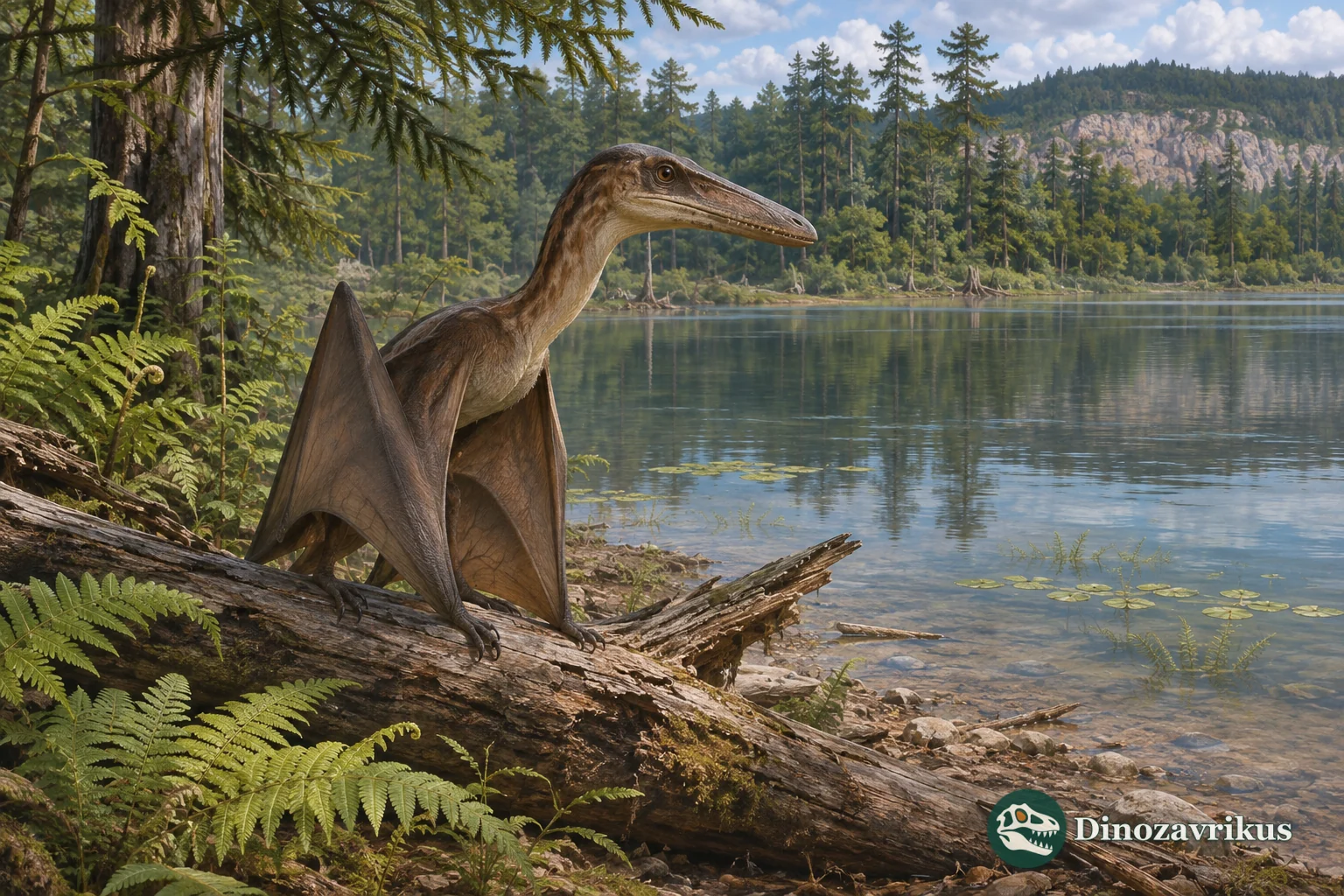
Colour, prey and shore behaviour have not been directly established for PMOL-AP00003. In a living scene they must be presented as interpretation, not as observations of the animal.
A name in scientific history
The page retains the 2006 name so readers can understand older papers and find the associated specimen. Its possible synonymy is stated beside it rather than hidden in a footnote.
Frequently asked questions
When was Longchengpterus named?
The name was published in 2006 for a fossil from the Jiufotang Formation of western Liaoning.
Which specimen is associated with the name?
PMOL-AP00003. The Nurhachius ignaciobritoi holotype is a different specimen, IVPP V13288.
Why do some researchers call it Nurhachius?
They interpret the relevant anatomy as belonging to Nurhachius ignaciobritoi and consequently regard Longchengpterus zhaoi as a later synonym. Not all works treat the names identically.
Does the name dispute reveal its appearance?
No. Taxonomic comparisons address fossil bones, not the living animal's verified colour, prey or behaviour.