

Miotadorna was one of the larger ducks at Miocene Lake Manuherikia. Its humerus resembles those of shelducks, and later collections allowed parts of the skull, wings and legs to be compared. The largest fossils have prompted a debate over whether they represent a separate species or variation within one species.
Quick facts
| Family | Anatidae |
|---|---|
| Closest comparison | Shelducks |
| Age of the deposits | Miocene, about 19–16 million years ago |
| Locality | St Bathans, South Island, New Zealand |
| Type specimen | NMNZ S.42794 |
| Type collection | Te Papa Tongarewa |
What can the fossils tell us?
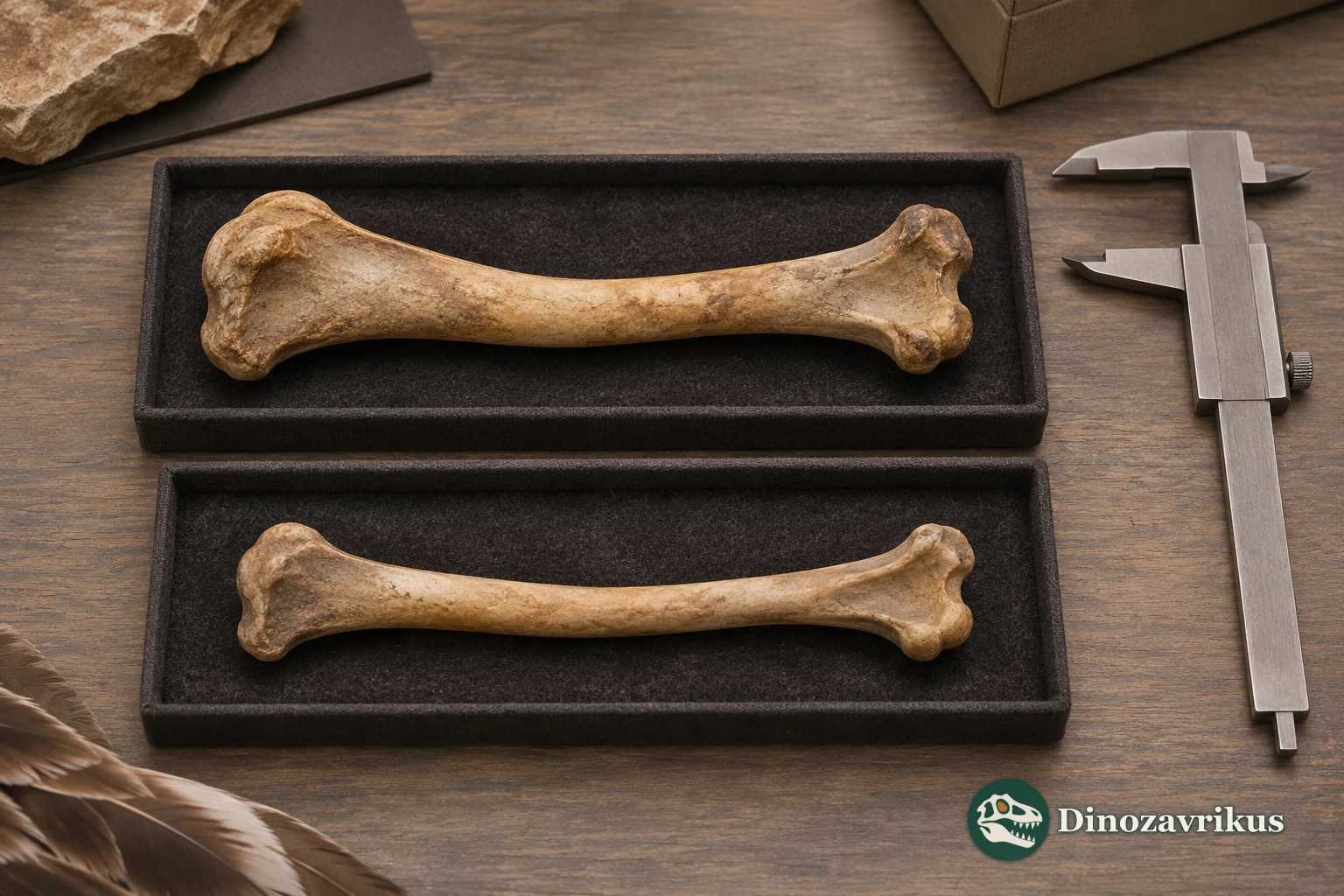
The long upper wing bone has a projecting deltoid crest. Together with details near the shoulder and elbow, this recalls the humerus of living shelducks.
The study compared isolated bones from several parts of the skeleton. Preservation and confidence in the individual assignments vary.
The large humerus NMNZ S.47273 was named as a second species. Bone wear, variation among shelducks and the distribution of the specimens through the succession figure in the debate.
A shelduck from the lake deposits
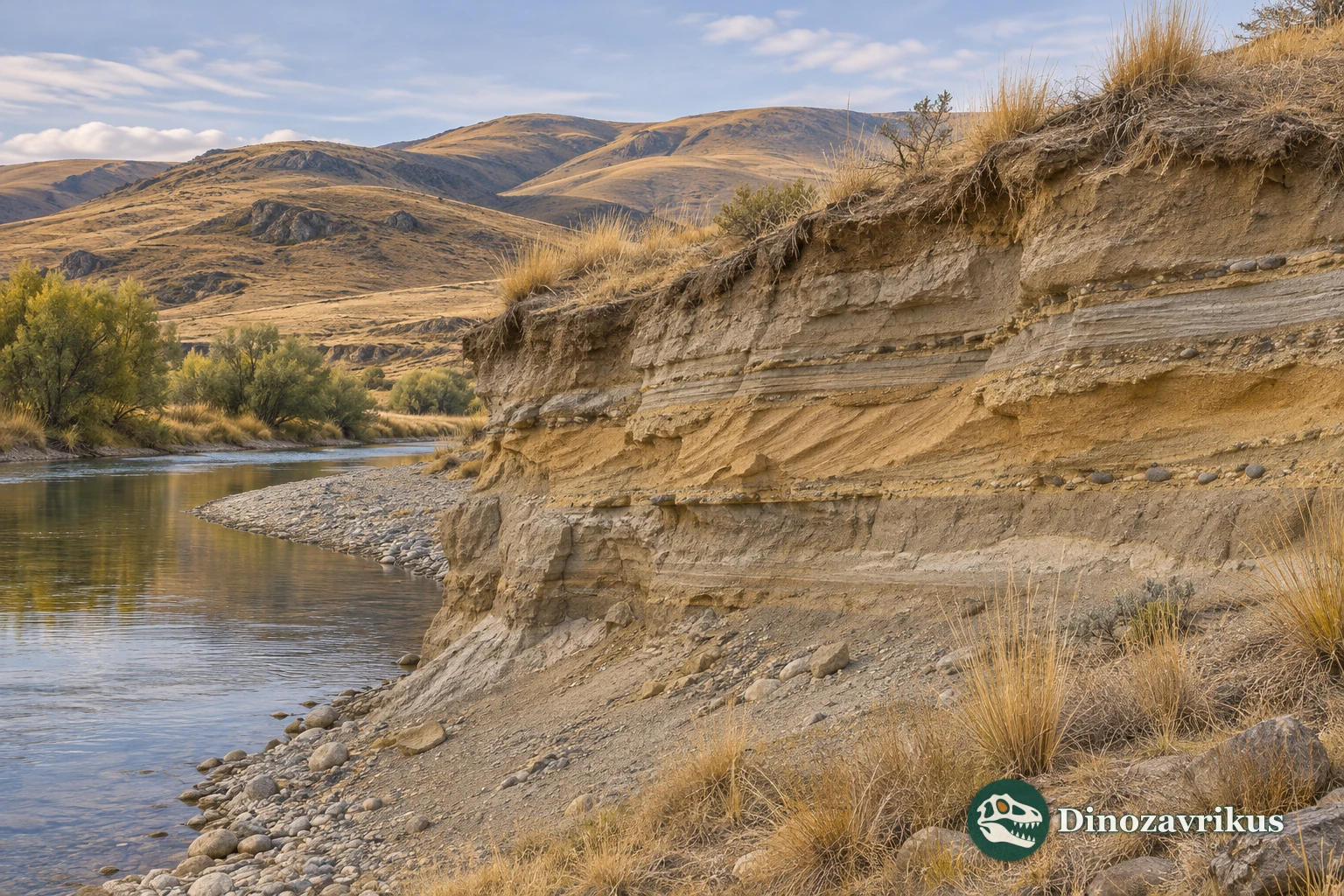
Trevor Worthy, Alan Tennyson and colleagues named Miotadorna sanctibathansi in 2007. The type, NMNZ S.42794, is a nearly complete right humerus collected on 22 February 2004 beside the Manuherikia River. Four paratypes had been collected earlier at Mata Creek. The type material is held by Te Papa Tongarewa.
The genus name refers to the Miocene and to the living shelduck genus Tadorna. The species epithet refers to St Bathans. The lower Bannockburn Formation represents deposits from an ancient lake around 19–16 million years ago.
Which features suggest shelduck affinities?
The humerus is elongate and bears a long deltoid crest. A recess near the shoulder end opens into the bone. The combination of these and several other features resembles those in shelducks. In Matanas, another duck from the same lake system, the humerus is less elongate and the crest extends less far down the shaft.
In 2008 Worthy and Michael Lee compared 115 referred specimens, including some tentatively assigned pieces. The isolated bones included parts of the skull, wings, shoulder girdle and legs, giving them more features to score than the original type alone. The type species was broadly comparable in size to the living paradise shelduck.
One species or two?
In 2022 Tennyson and colleagues named Miotadorna catrionae from a humerus, NMNZ S.47273, found at Mata Creek Site 9. It is longer and broader at the shoulder end than the humeri in their original comparison, while the elbow end is comparable to those of large specimens. Worthy and colleagues proposed treating it as a synonym of M. sanctibathansi. They cited likely sex-related differences in size, the small sample of complete bones and damage to the elbow end.
In 2024 Tennyson’s team argued that the broader-shouldered specimens came from a younger set of beds. In their analysis, the difference remained even after adjusting for wear to the type. They favoured two forms, which may have occupied the lake at different times. The synthesis by Worthy and colleagues retained one species. Further bones from both sets of deposits could help resolve the disagreement.
Frequently asked questions
Why is Miotadorna called a shelduck?
Its humerus has a combination of proportions and crests like those in living shelducks. The extended deltoid crest is one of those features.
Where is the type of M. sanctibathansi?
The nearly complete right humerus NMNZ S.42794 is in the Museum of New Zealand Te Papa Tongarewa.
Do the 115 bones represent 115 birds?
That number counts bones examined for the 2008 study. Different bones can belong to the same bird, and researchers estimate a minimum number of individuals separately.
What is the evidence for Catriona’s shelduck?
The name is based on a humerus with a notably broad shoulder end. Its proportions and the position of the fossil-bearing beds are used to argue for a second species.